Filipino Fashion Steps Into the Milan Spotlight
FASHIONPhilippines Milan returns to Milan Fashion Week with a new generation of Filipino brands—and a bigger ambition to turn creative talent into global business.
There is something particularly compelling about seeing Filipino fashion in Milan.
In a city where fashion is both spectacle and serious business, Philippine design is preparing to make its presence felt once again as FASHIONPhilippines Milan returns for its second edition during Milan Fashion Week Spring/Summer 2027.
Presented by Fondazione Sozzani, in partnership with the Center for International Trade Expositions and Missions (CITEM), Philippine Textile Research Institute (DOST-PTRI), Philippine Consulate General in Milan, Philippine Fashion Coalition (PFC), and LIT Fashion Consultancy, the initiative brings Filipino creativity into one of fashion’s most influential international conversations.
But this is more than a showcase.
At the heart of FASHIONPhilippines Milan is a bigger question facing many emerging fashion markets: How does exceptional creative talent become a sustainable global brand?
FROM MANILA TO MILAN
From September 22 to 24, 2026, Fondazione Sozzani on Via Tazzoli 3 becomes a window into contemporary Philippine fashion, with 11 Filipino brands presenting distinct interpretations of design, craftsmanship and modern Filipino identity.
The participating labels are Adam Pereyra Jewelry, BAGASÁO, CALLI, CHED Studio, Idyllic Summers, Jun Escario, ORIAS, Palengke, Renz Reyes, Viña Romero, and Ziv Rei.
Together, they offer a glimpse of a Philippine fashion landscape that is difficult to define by a single aesthetic—and perhaps that is precisely its strength.
There is jewelry, ready-to-wear, resort influences, artisanal detail and contemporary experimentation. Different design languages come together under one national showcase, demonstrating how Filipino fashion continues to evolve beyond familiar interpretations of heritage.
The exhibition puts these brands before an international audience during one of the busiest and most closely watched weeks on the global fashion calendar.
Yet simply being seen in Milan is no longer enough.
BEYOND THE RUNWAY
The second edition of FASHIONPhilippines Milan reflects a growing understanding that international success in fashion requires as much attention behind the scenes as it does on the clothes themselves.
Before the exhibition, participating brands undergo intensive development sessions with an eight-member group of international fashion leaders led by Sara Sozzani Maino, Creative Director of Fondazione Sozzani.
VIÑA ROMERO
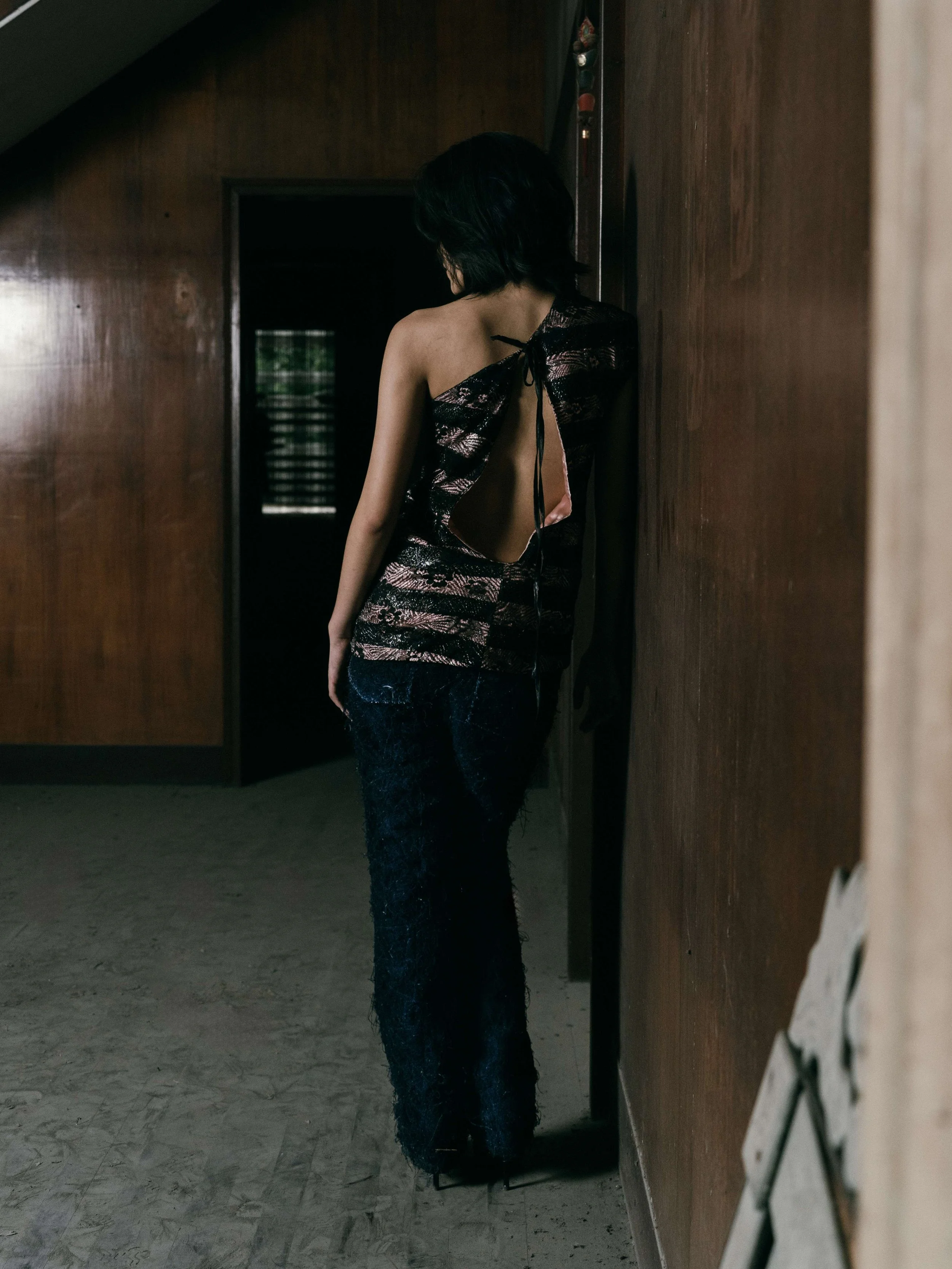
Ziv Rei Alexi
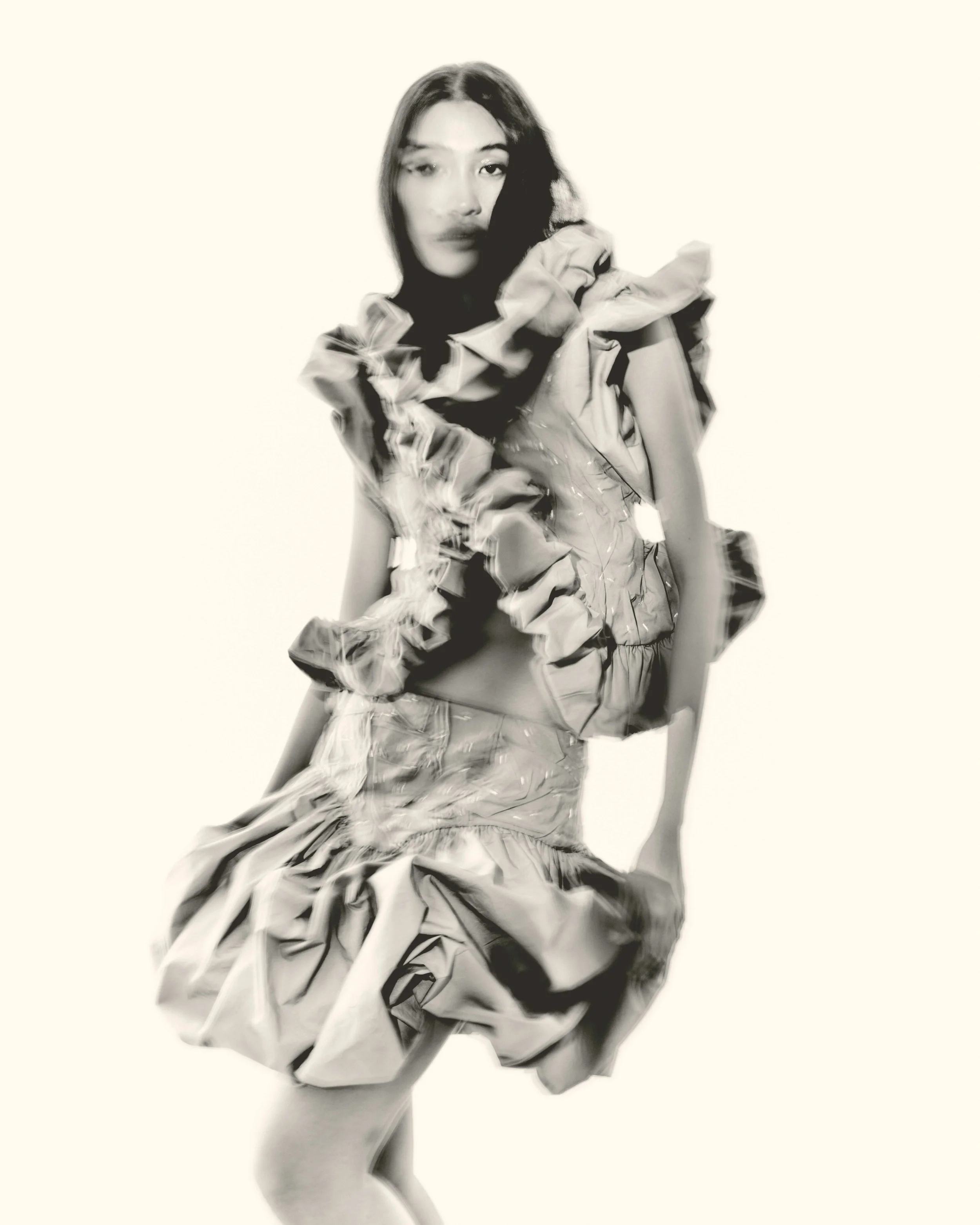
Renz Reyes 1943
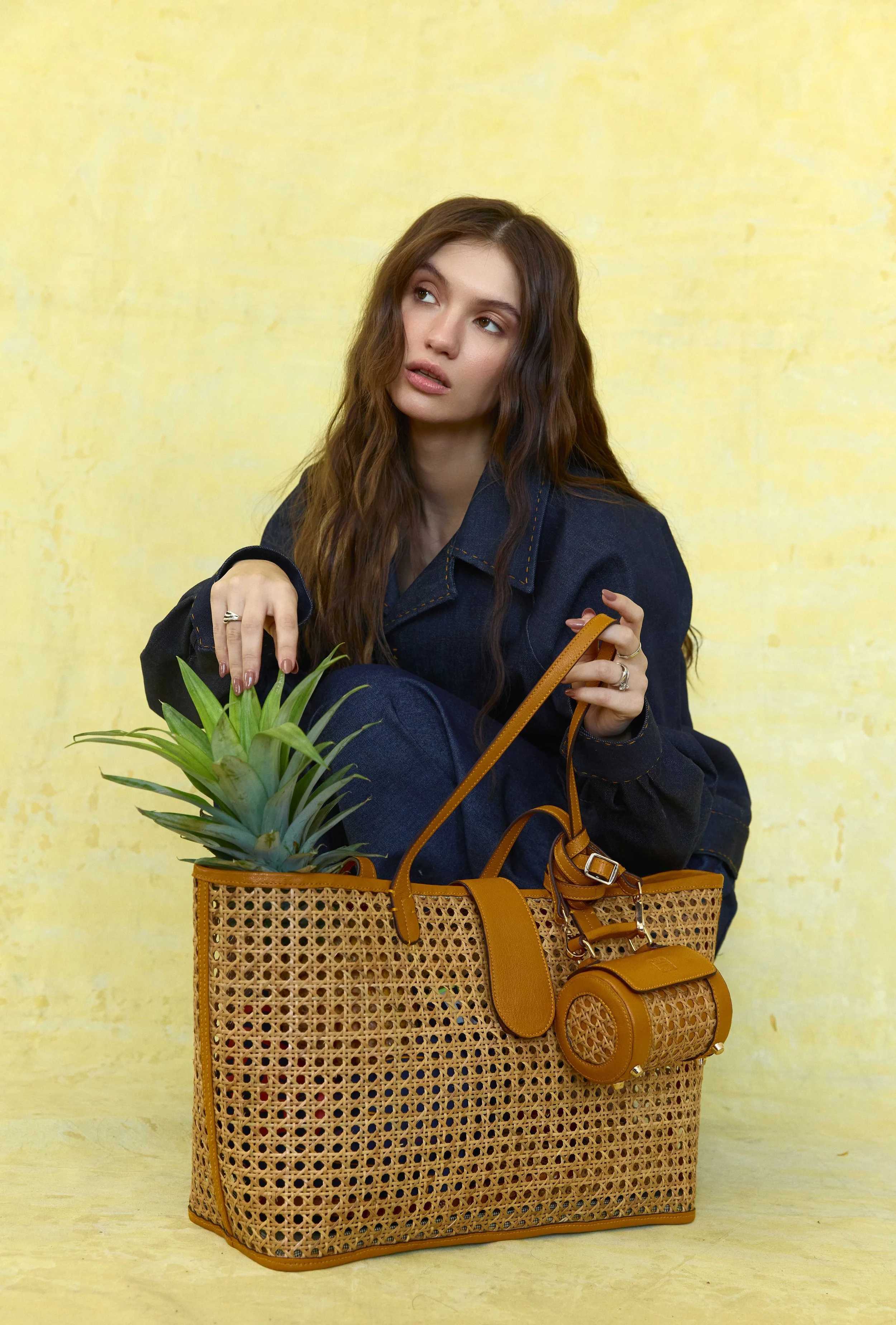
ORIAS
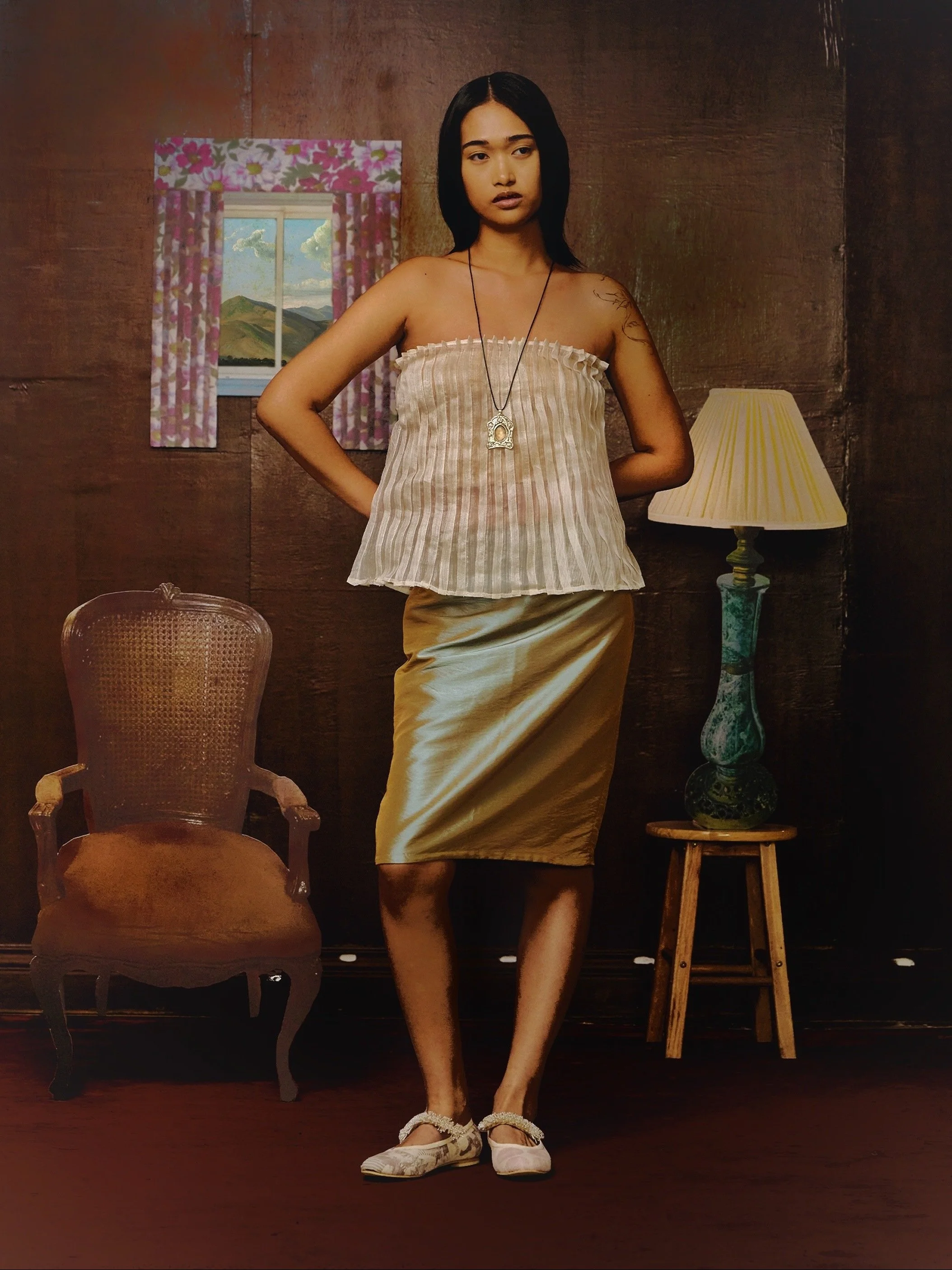
Palengke Look
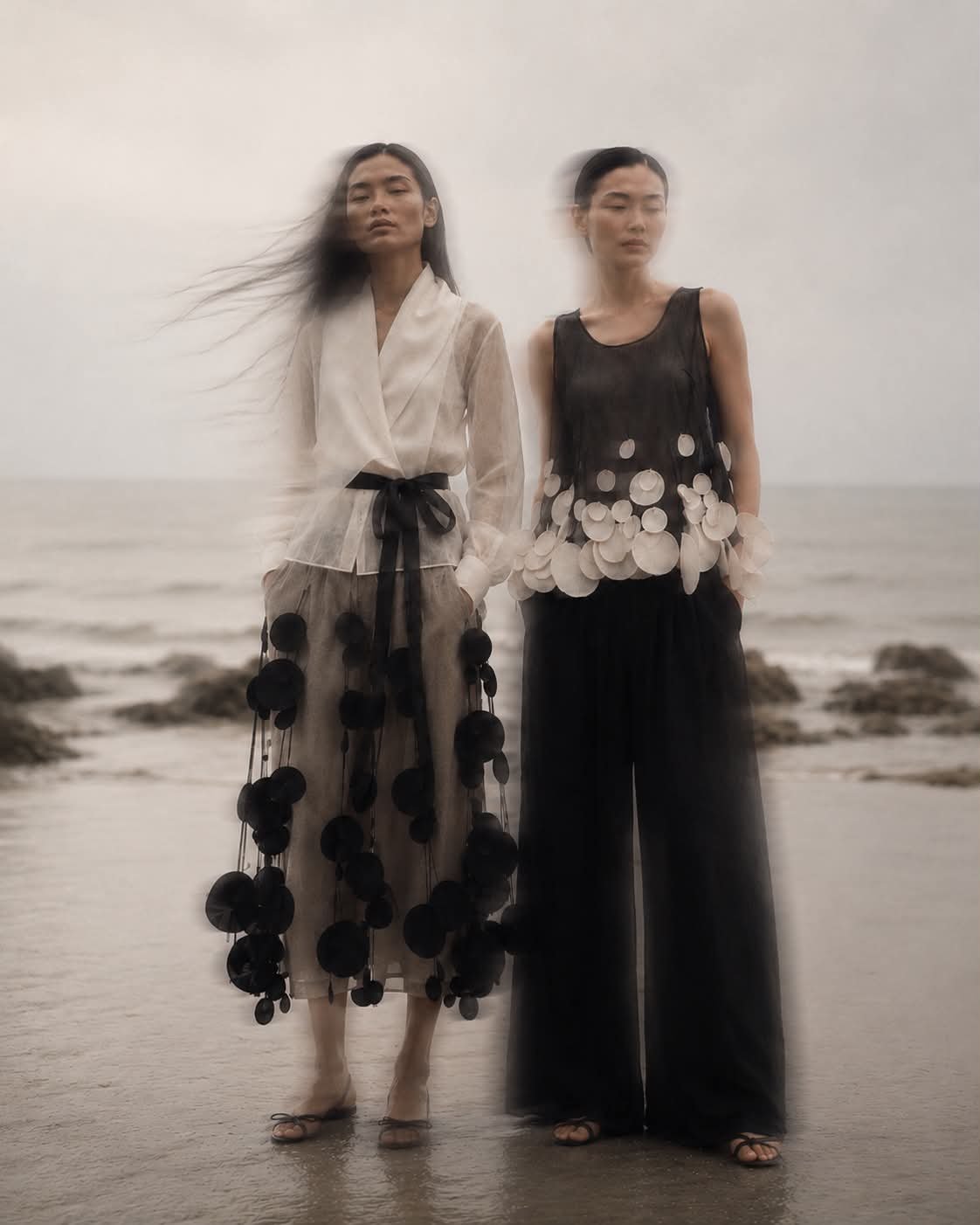
JUN ESCARIO
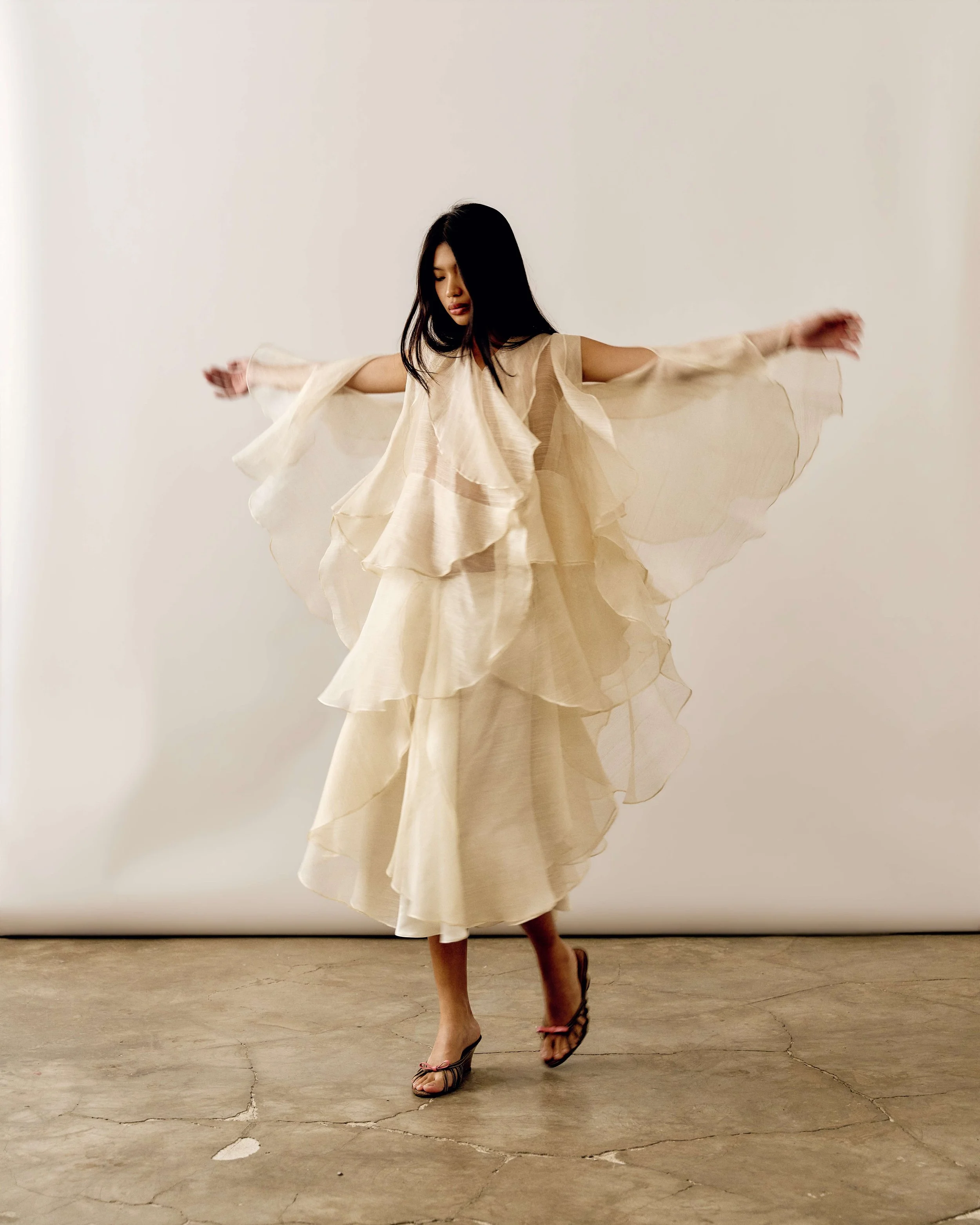
Idyllic Summers
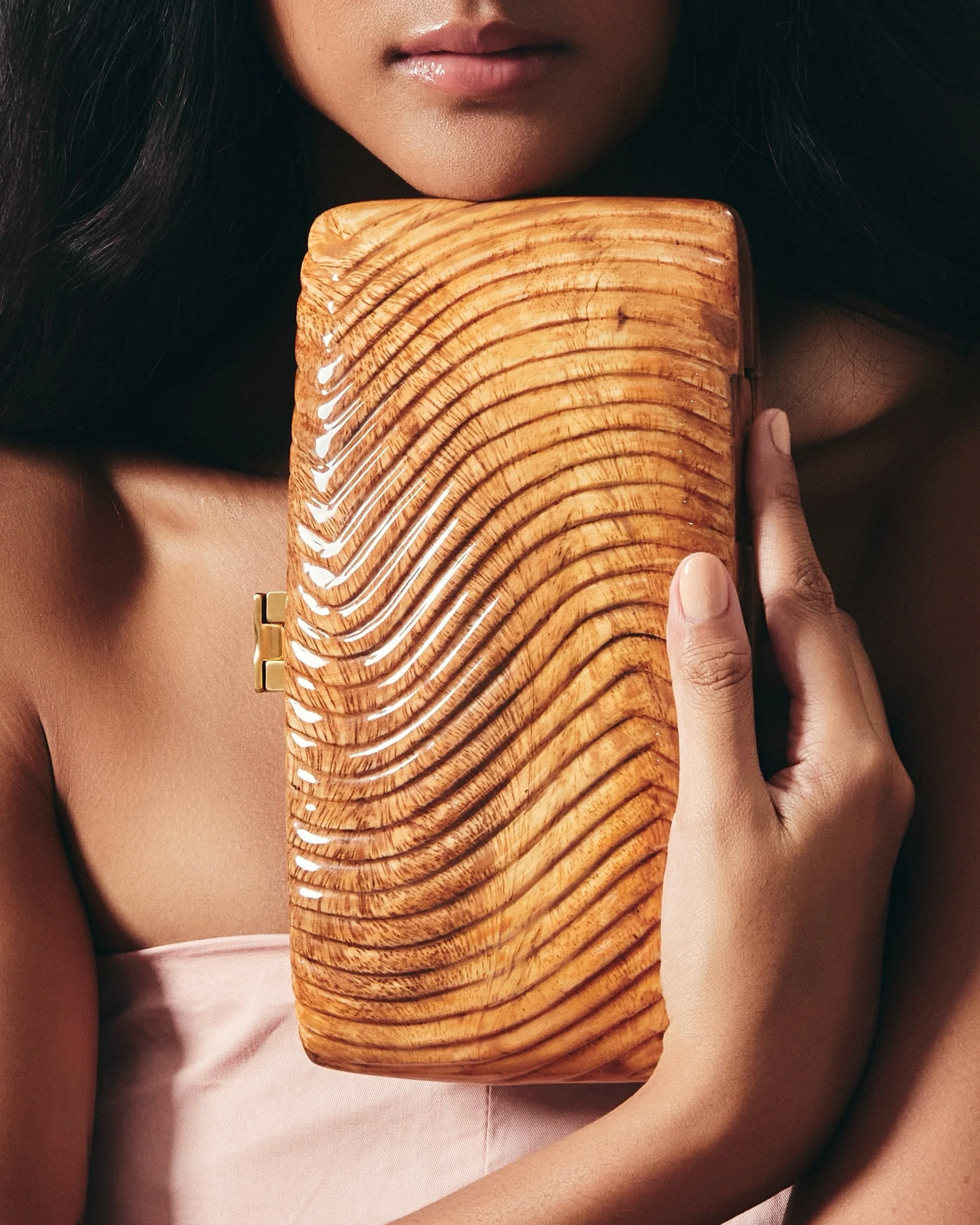
Calli
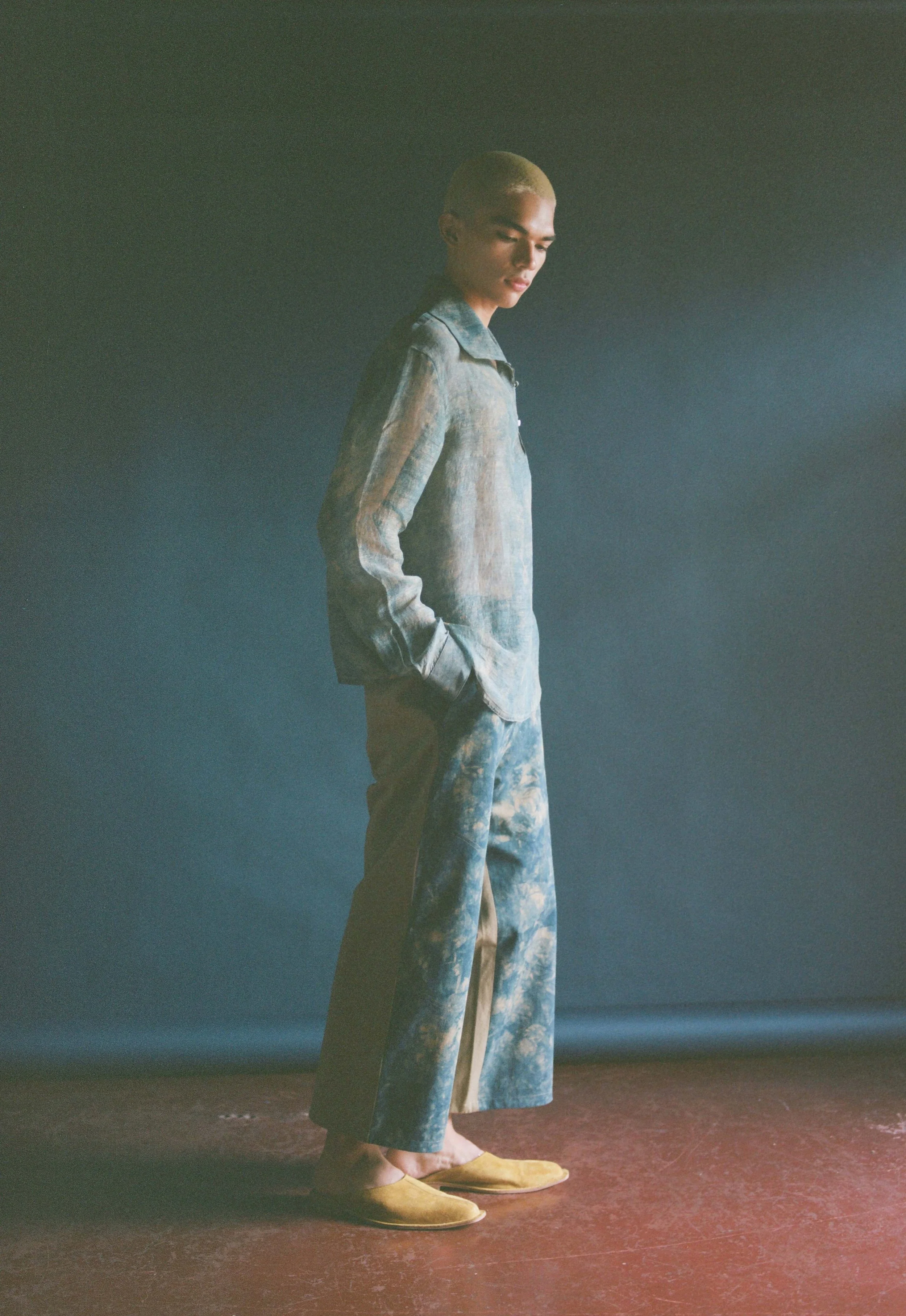
BAGASAO
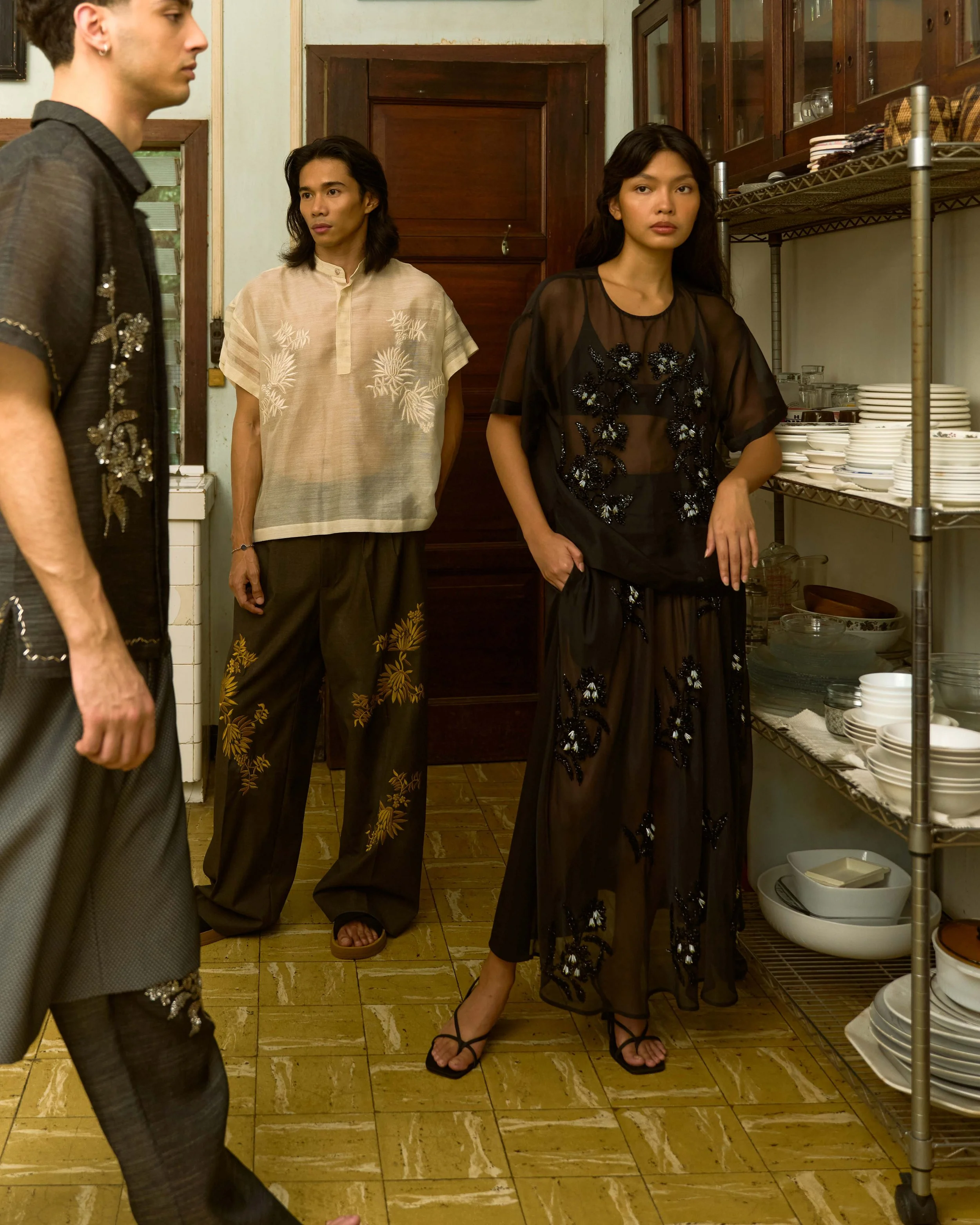
Ched Studio
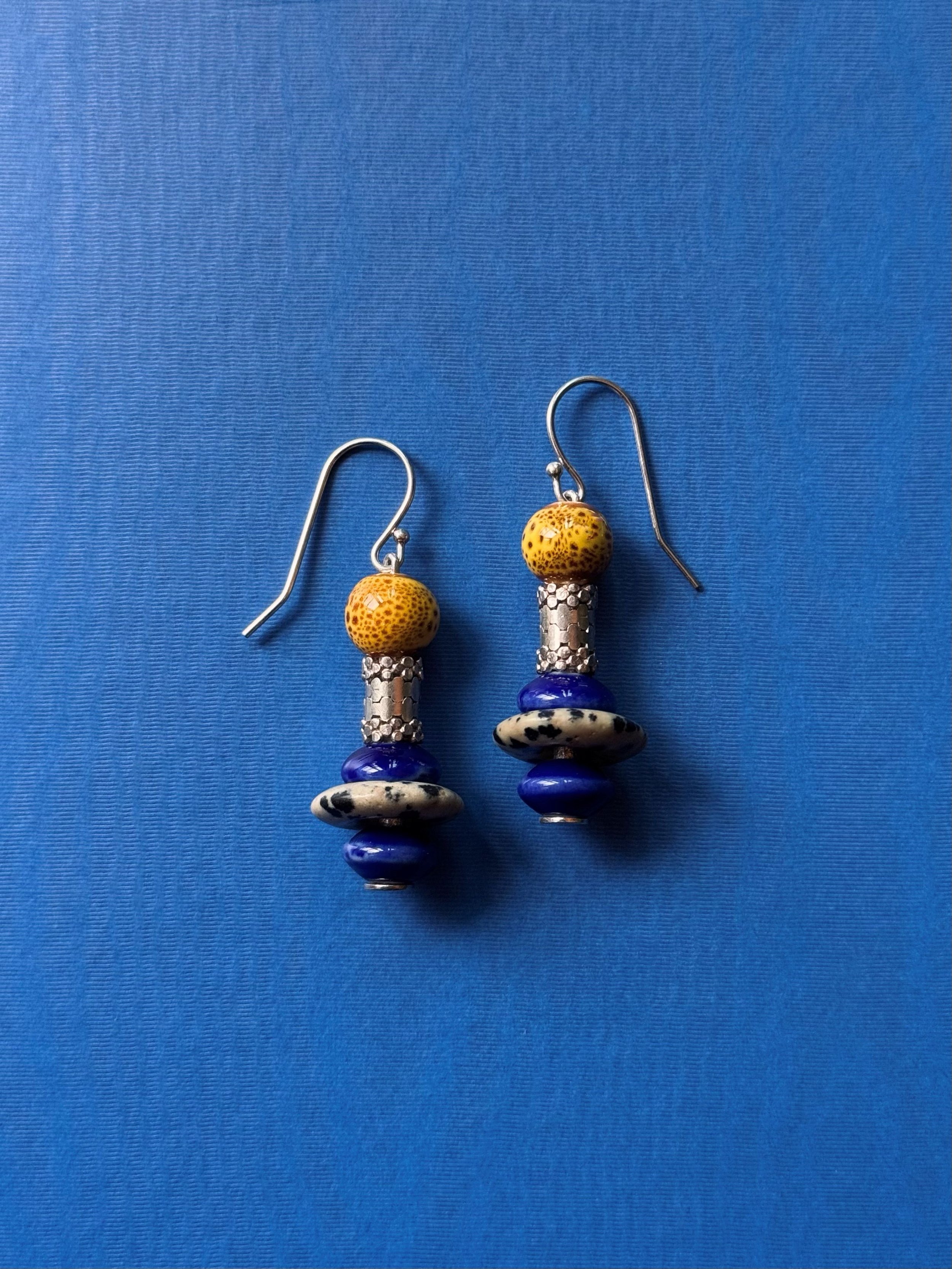
Adam Pereyra Exhibition
Joining her are Silvia Bertocchi, Head of Cultural Program of Fondazione Sozzani; Veronica Bertozzi, Project Director for HIMco; Helena Boissonnas, an expert in department-store buying and sourcing at Le Bon Marché Paris; Matteo Del Cherico, founder and owner of MDC Showroom; Marina Lyritzi, wholesale manager and brand consultant; Marzia Narduzzi, strategic advisor for fashion brands; Tetta Ortiz-Matera, founder of LIT Fashion Consultancy; and Riccardo Terzo, stylist, fashion editor, consultant and lecturer.
It is here that creativity meets commerce.
Participants are guided through the realities of building a fashion business for an international market—from pricing and line-sheet development to collection structure, market positioning, wholesale strategy, delivery timelines and buyer engagement.
For designers accustomed to concentrating on the creative process, these details may appear less glamorous than a runway or editorial shoot. In the global fashion industry, however, they can determine whether a beautiful collection remains admired from afar or actually makes its way into showrooms, stores and wardrobes.
“The business dimension of fashion is paramount,” said Philippine Fashion Coalition President Jackie C. Aquino, emphasizing that brands need to be operationally prepared, not merely creatively ready, if they hope to compete internationally.
DESIGNING FOR A GLOBAL MARKET
That distinction has become increasingly important as Philippine fashion looks beyond visibility toward longevity.
CITEM Executive Director Leah Pulido Ocampo said lessons from the program’s inaugural edition helped shape a more strategic approach for 2026.
“Our experience from the inaugural run affirmed the global potential of Filipino fashion while also showing the importance of strengthening brands’ readiness to compete internationally,” Ocampo said. “For 2026, we are developing a more strategic program that gives equal importance to creativity, business development, and long-term market access.”
The evolution is significant.
Fashion weeks can generate attention, photographs and conversation. Building a brand internationally requires something more enduring: buyers, distribution, workable margins, reliable production and collections structured for the markets they hope to enter.
For Tetta Ortiz-Matera of LIT Fashion Consultancy, understanding those differences is fundamental.
“Local brands must understand that doing business internationally requires a different mindset—from wholesale pricing and delivery timelines to collection structure and buyer engagement,” she said.
This year’s program therefore introduces more targeted development modules while strengthening its showroom and sales components, creating opportunities for participating brands to engage more directly with international buyers and potential distribution channels.
And there are early signs that the strategy can translate into tangible opportunities. Following the previous edition, two Filipino brands secured representation with separate Paris-based showrooms—a meaningful step from international exposure toward actual participation in the global fashion marketplace.
THE NEXT CHAPTER OF FILIPINO FASHION
Perhaps the most interesting story emerging from FASHIONPhilippines Milan is not simply that Filipino designers are being given space in Milan.
It is what they intend to do with that space.
For years, Philippine fashion has been celebrated for craftsmanship, ingenuity and a distinct ability to reinterpret materials and cultural references. The next challenge is translating those qualities into brands capable of moving confidently through the international fashion system.
Organizers are looking toward an even larger ambition: helping position Filipino fashion as a globally competitive industry by 2035, supported by textile development, innovation and stronger collaboration between government and the fashion sector.
That requires moving beyond the idea of Philippine fashion as something the world merely discovers.
It means building brands that buyers can order, retailers can carry, international markets can understand—and consumers can return to season after season.
Against the backdrop of Milan Fashion Week, the 11 participating brands are therefore carrying more than their latest collections.
They are presenting a changing image of Filipino fashion itself: creative but commercially aware, rooted yet contemporary, distinctly Filipino yet ready to speak to the world.
And in Milan, where what comes next in fashion is always part of the conversation, that may be the statement worth watching.