ITM Check-In: Are you saying "yes" because you want to, or out of fear of missing out?
You’ve had a long week, you’re already looking forward to a quiet night, and then a friend sends an invitation.
You hesitate.
You’re tired. You probably need the rest. But then you think about everyone else being there without you.
So, you say yes.
Not because you really want to go—but because you’re afraid of what you might miss.
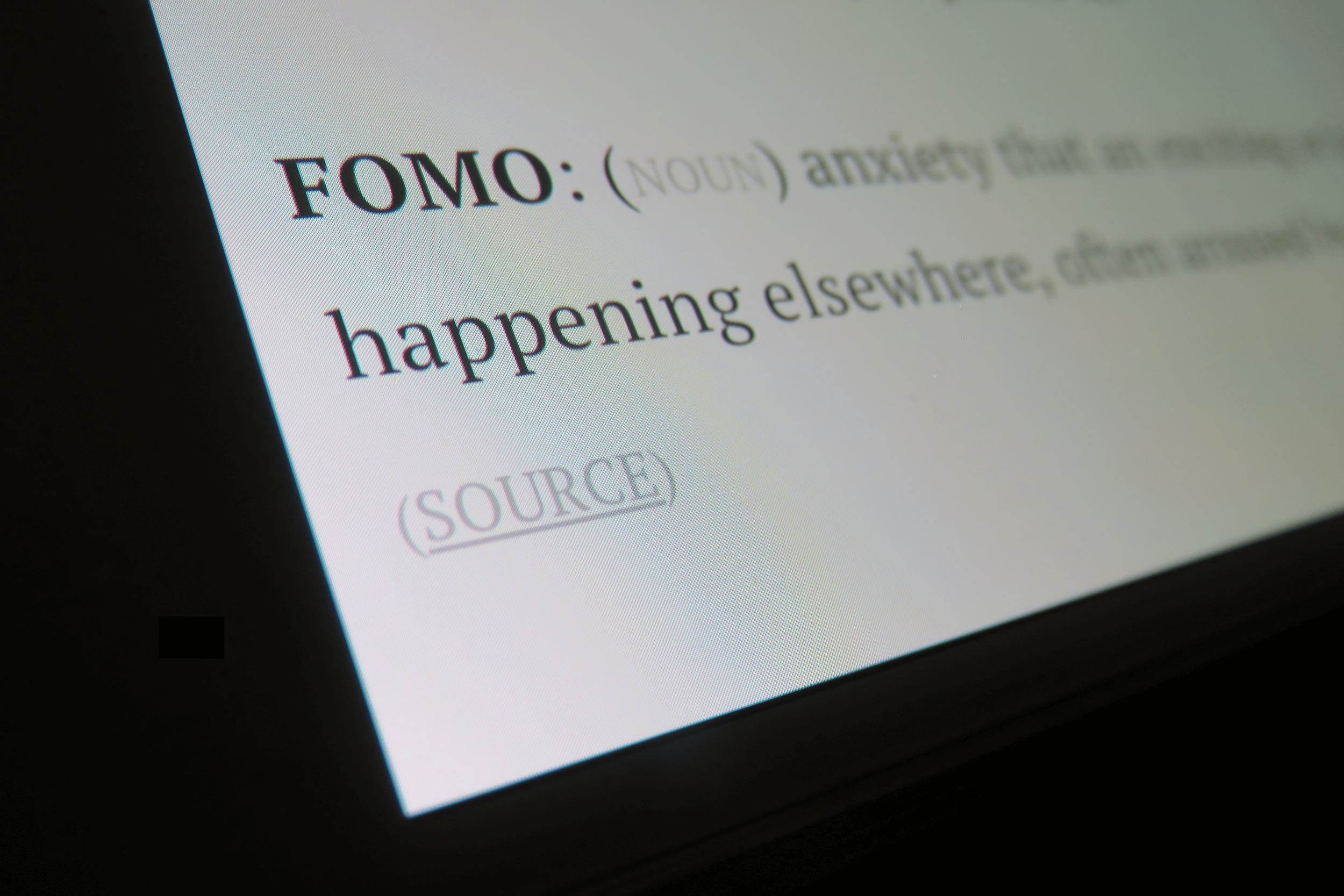
That’s where FOMO, or the “fear of missing out,” can quietly influence our decisions.
FOMO is more than simply wanting to be part of the fun. Research describes it as a concern that others are having rewarding experiences without you, along with worries that being absent could affect your social connections or sense of belonging.
And sometimes, that fear can make it difficult to distinguish between what we genuinely want and what we feel we should be doing.
When “Yes” Doesn’t Really Mean Yes
FOMO can show up in small, everyday decisions.
You say yes to another night out even though you’re exhausted. You join a group chat because you’re worried about being left out. You spend money on an event because everyone else is going. You accept another commitment because you’re afraid that turning it down means missing an opportunity.
None of these choices are necessarily bad. The important question is why you’re making them.
Are you saying yes because the experience excites you?
Or are you saying yes because the thought of everyone else having fun without you makes you uncomfortable?
Sometimes, the difference can be easy to miss.
FOMO Isn’t Always About the Event
Interestingly, research suggests that FOMO may have less to do with the actual activity and more to do with our relationships.
A 2025 report from the American Psychological Association highlighted research involving more than 5,000 participants, which found that FOMO can be intensified by worries about missing opportunities to connect with people and concerns about the strength of those relationships. Participants reported greater FOMO when they imagined missing events involving people close to them—even when the event itself wasn’t necessarily enjoyable.
That means the thought behind FOMO may not always be:
“I want to go.”
It can sometimes be:
“What if I’m not there?”
“What if they have fun without me?”
“What if I miss something important?”
“What if I’m left out?”
Social Media Can Make It Louder
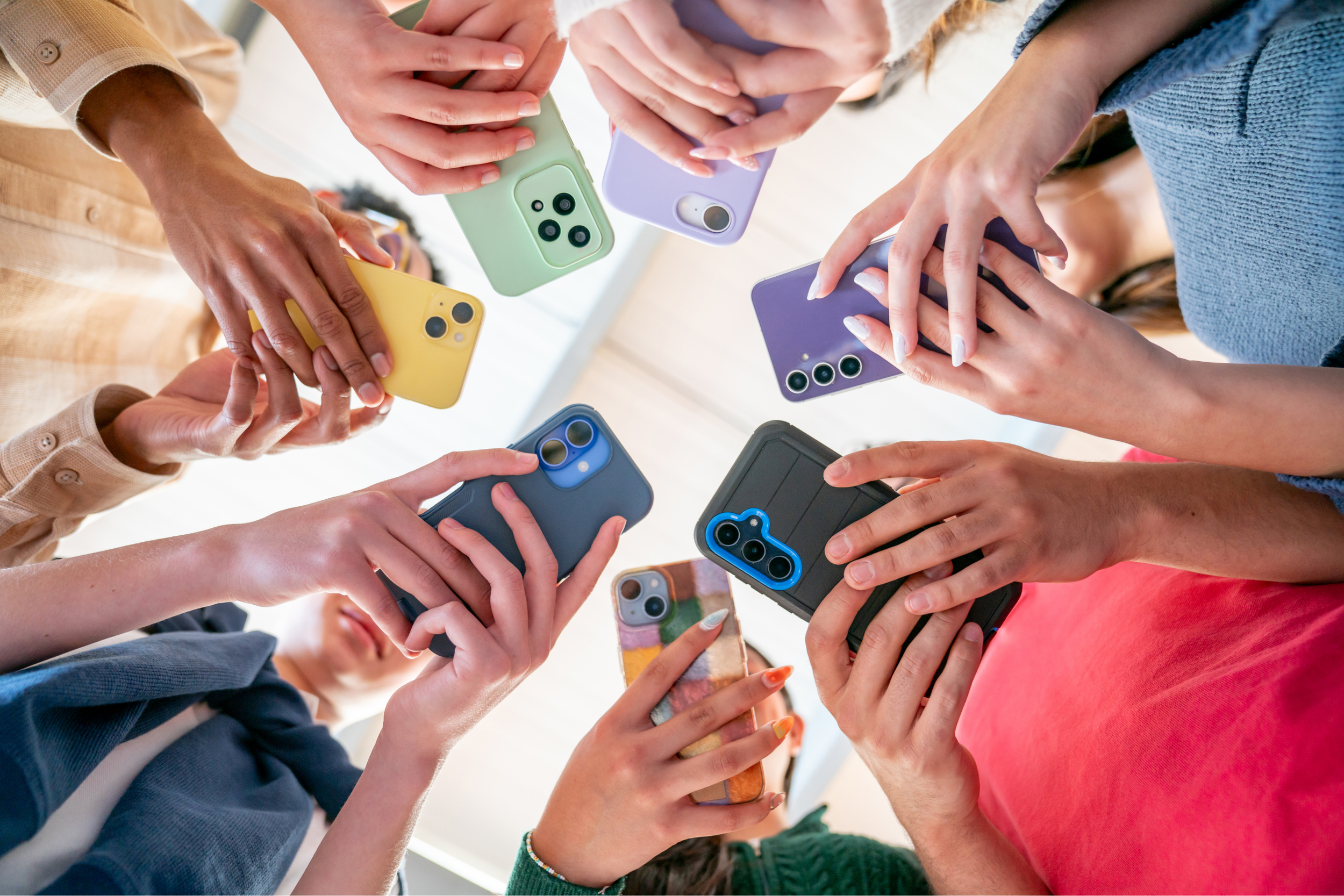
Social media can make this feeling even harder to ignore.
A quick scroll can show you a friend’s dinner, a concert you didn’t attend, a weekend trip, a spontaneous night out, or a group gathering—all within minutes.
The American Psychological Association notes that social media isn’t inherently harmful or beneficial; its effects depend on how people use it, what they encounter online, and their individual circumstances.
Still, constantly seeing what others are doing can make it harder to feel content with your own choices.
You may have been perfectly happy staying home—until you saw everyone else’s Stories.
Suddenly, your quiet night feels like something you’re missing out on.
Before You Say Yes, Pause
The next time you’re about to agree to something, give yourself a moment before answering.
Ask yourself:
Do I actually want to do this?
Would I still say yes if I hadn’t seen what everyone else was doing?
Am I excited about the experience, or afraid of being left out?
Do I have the time, energy, and resources for this right now?
If I say no, what am I actually missing—and is that okay?
There’s nothing wrong with saying yes to plans because you genuinely want to be there. But there’s also nothing wrong with saying no when you need rest, have other priorities, or simply don’t feel like going.
You’re Allowed to Say No
We often think of FOMO as the fear of missing an experience.
But sometimes, what we really fear is being left behind.
The truth is, you cannot be everywhere, attend everything, respond to everyone, or experience every opportunity. Saying no to one thing doesn’t mean you’re missing out on life.
It simply means you’re choosing something else.
Maybe it’s rest.
Maybe it’s time with your family.
Maybe it’s catching up on work.
Maybe it’s protecting your budget.
Or maybe it’s simply spending a night doing absolutely nothing—and enjoying it.
The next time you feel pressured to say yes, pause and ask yourself:
“Am I saying yes because I want to—or because I’m afraid of missing out?”
Sometimes, the most honest answer can help you make a choice that actually feels right for you.
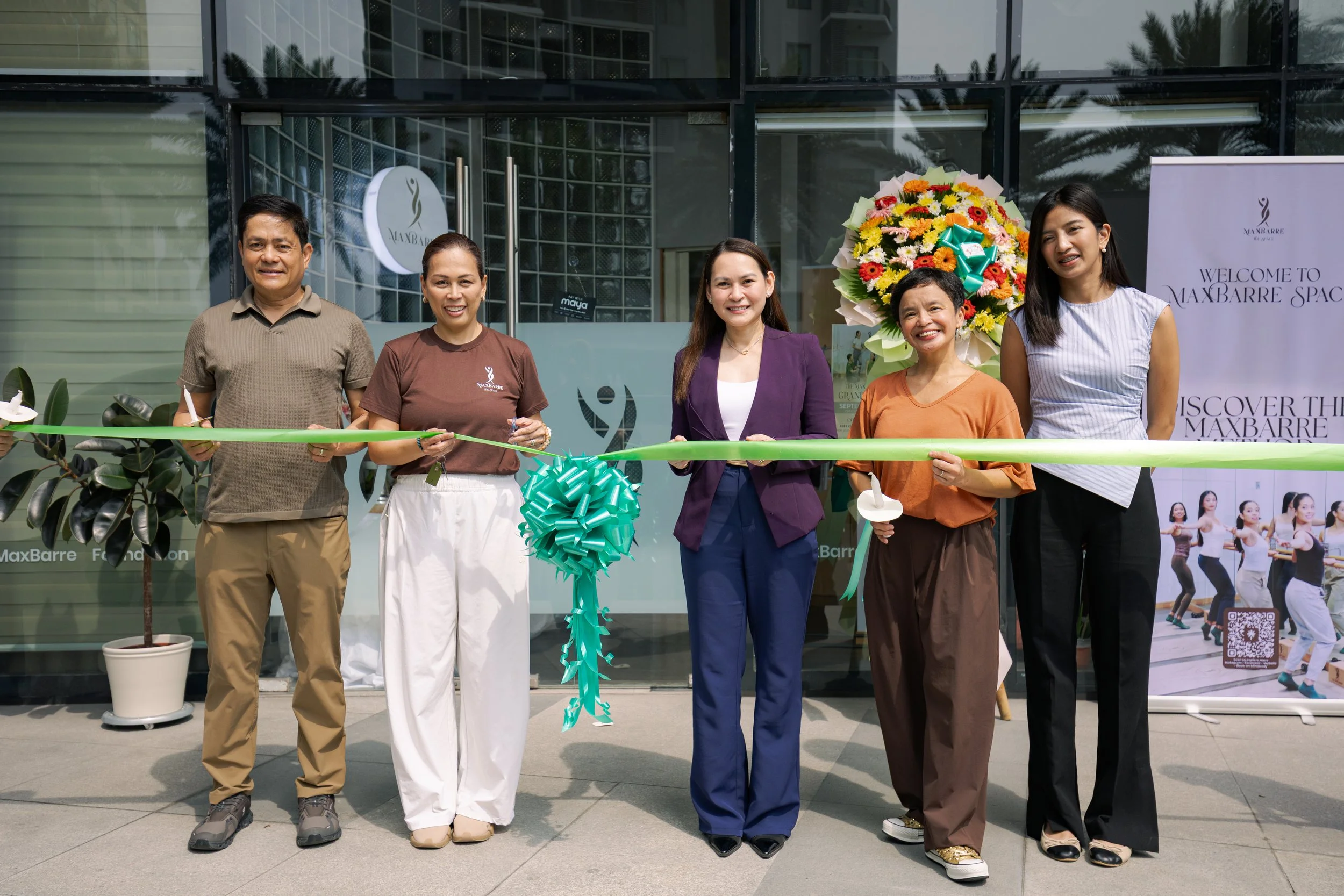
MAXBARRE THE SPACE OFFICIALLY OPENS IN ALABANG, INTRODUCING A NEW APPROACH TO MOVEMENT
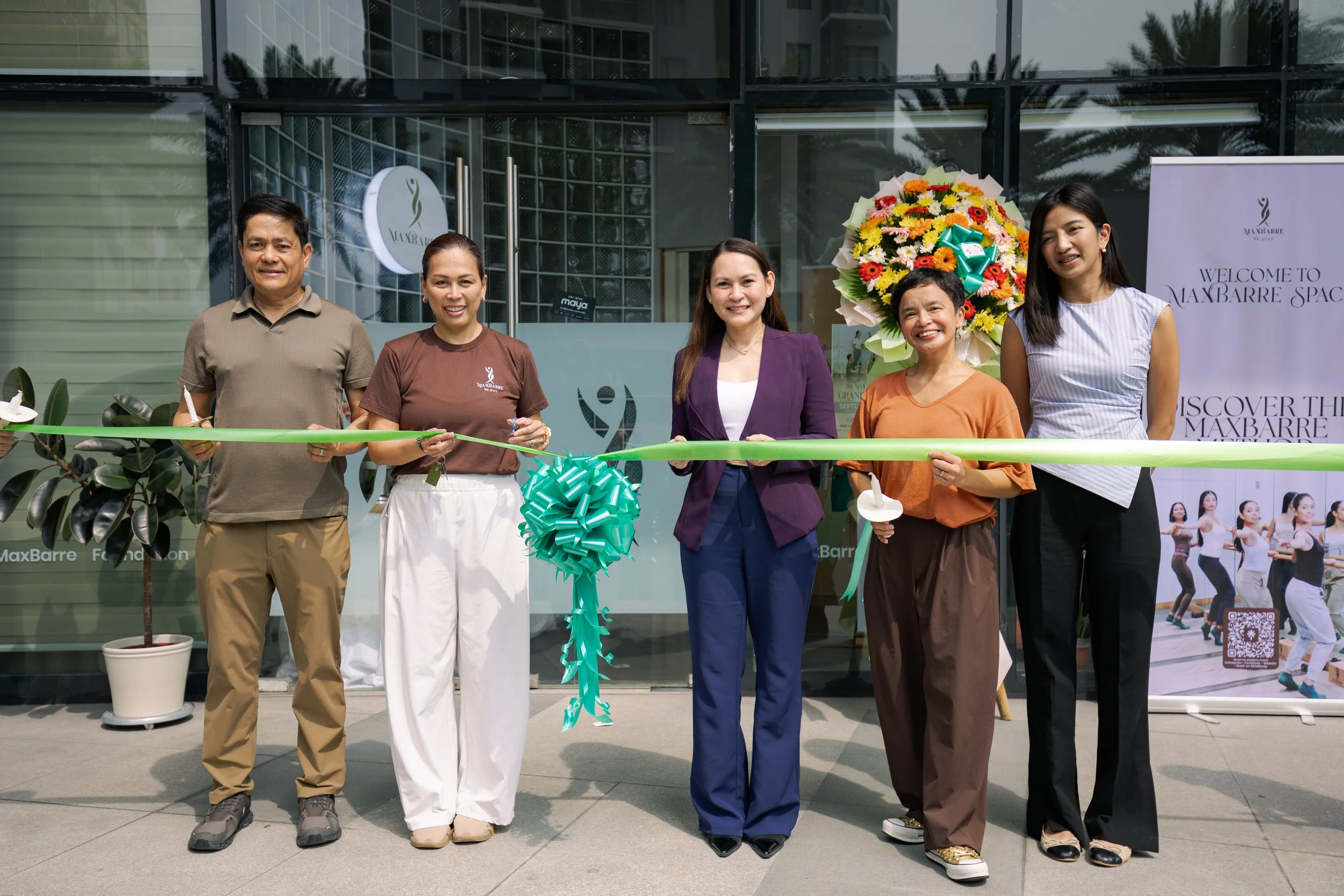
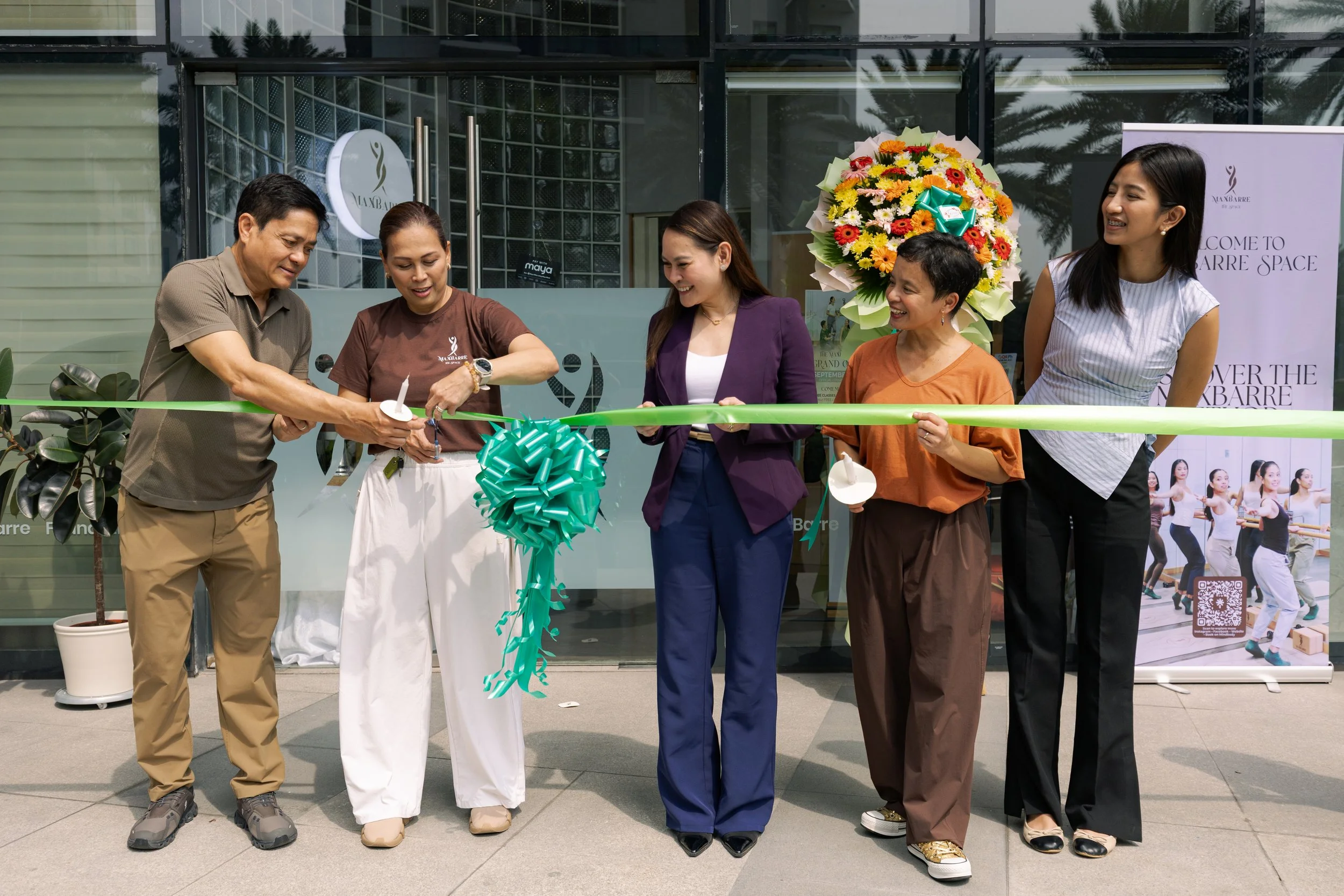
ALABANG, PHILIPPINES — September 28, 2026 — After six months of quietly building its community, MaxBarre The Space has officially opened its doors in Filinvest, Alabang, introducing a new approach to movement that brings together strength, wellness, music, and mindful training in an elevated studio environment.
Created for individuals who value quality, discipline, and a more intentional approach to fitness, MaxBarre The Space is designed as more than a workout studio. It is a community-centered space where movement, lifestyle, and connection come together.

HOW IT ALL STARTED
Before MaxBarre came to life, the founder Macky Regino had visited and experienced different movement studios searching for something that felt right for her body, but nothing quite matched what she experienced with Teacher Julie. What stood out was Julie’s technique. It focused on proper alignment, mindful movement, and working with the body rather than simply pushing it through a workout.
For Macky, it was more than exercise. She felt a difference in how her body moved, how she held herself, and how her spine and alignment were supported.
Today, MaxBarre is built on belief that movement should not simply make you sweat. It should help you understand your body, move with fun, build strength, and feel better in your own body.
What began as a woman’s search for the right movement practice has evolved into a space where others can discover the same connection between movements, strength, alignment, and self-care.

THE PHILOSOPHY BEHIND MAXBARRE
At the heart of MaxBarre is the philosophy and movement expertise of its Training Director, Julie Alagde-Carretas, whose extensive career includes the Philippine National Rhythmic Gymnastics Team, Powerdance, Hong Kong Disneyland, The Lion King, and Cirque du Soleil in Las Vegas.
Her background across dance, certified Pilates, Zumba, and yoga informs the MaxBarre approach—bringing together athleticism and artistry, strength and grace, discipline and mindful movement.
The result is a movement experience built around precision, control, strength, posture, and purpose.
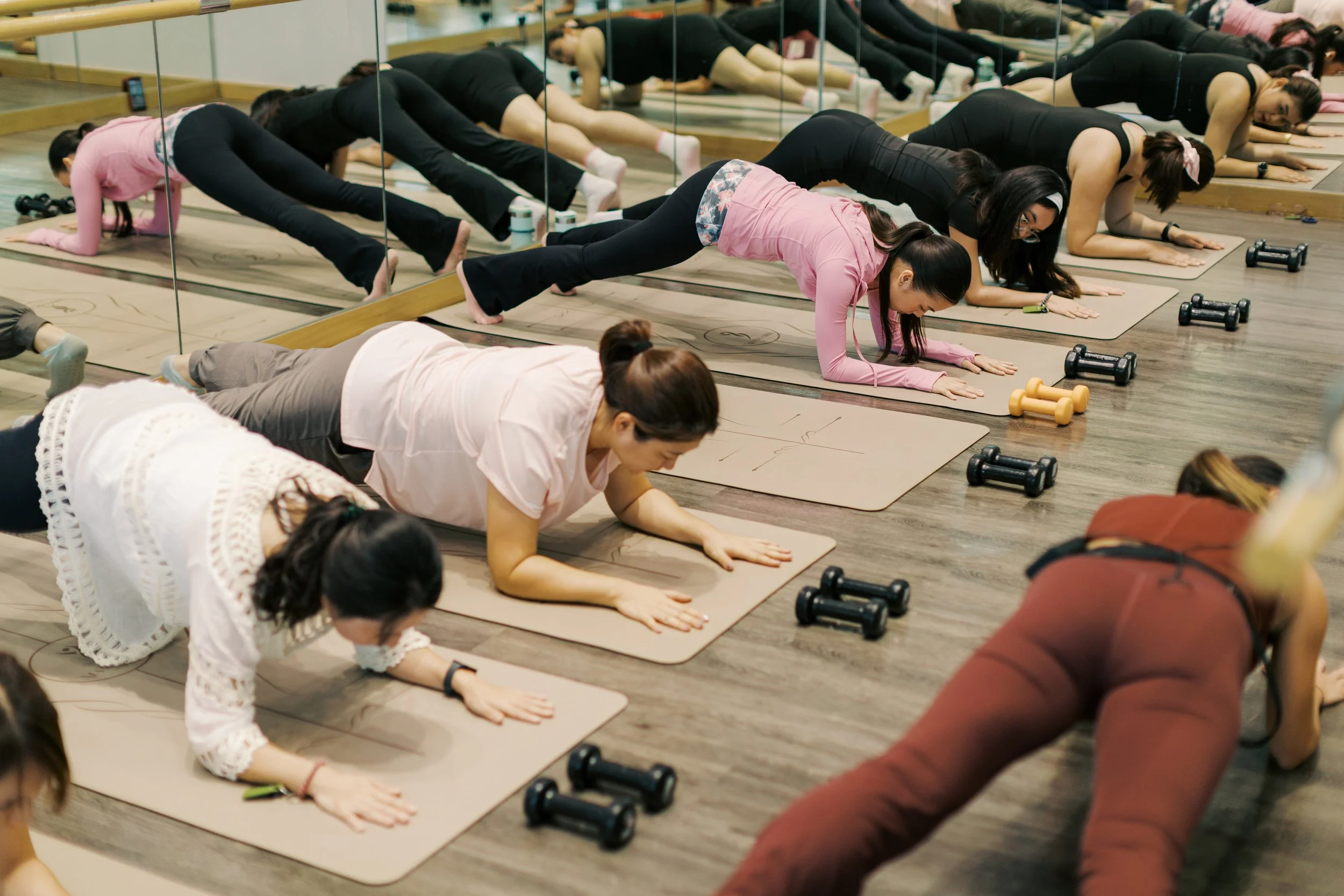
THE MAXBARRE METHOD
At the heart of the studio is the MaxBarre Method, a proprietary movement system inspired by barre, Pilates, dance, strength training, and mindful movement.
Designed to build strength, improve posture and alignment, develop control, and encourage intentional movement, the method combines precision and athleticism with the artistry of movement.
The MaxBarre Method is offered through three signature formats:
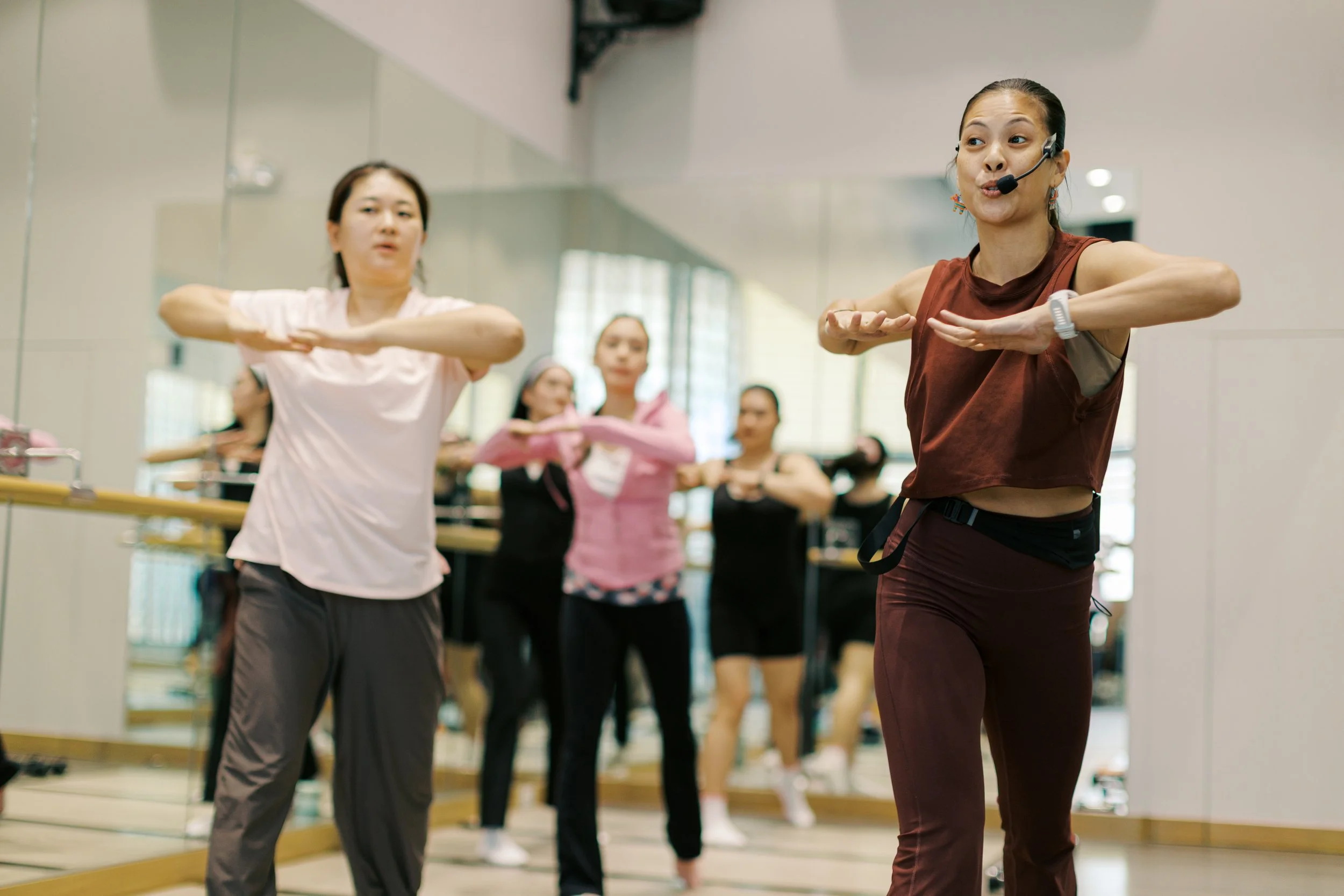
MAXBARRE SIGNATURE
The complete MaxBarre experience—a challenging, intelligent full-body workout combining strength, endurance, balance, flexibility, sculpting, posture, and mindful control.
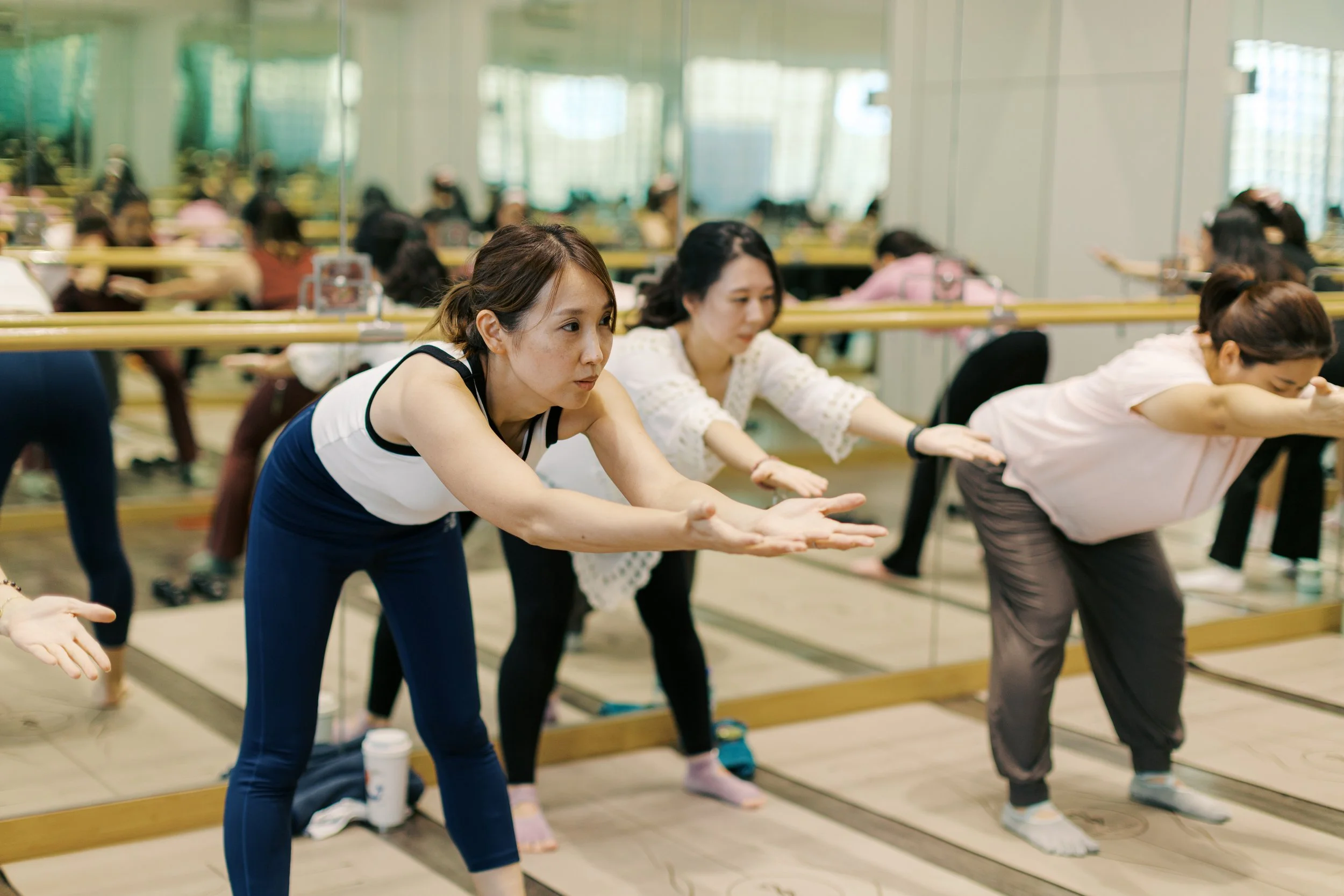
MAXBARRE FOUNDATION
The starting point of the MaxBarre Method, focusing on form, alignment, technique, core engagement, and body awareness. Foundation is ideal for beginners and anyone looking to build stronger movement fundamentals.
MAXBARRE EXPRESS
A focused and dynamic format designed for busy schedules. Express delivers the essential elements of the MaxBarre Method efficiently, without compromising precision, strength, control, or quality.
VIBE: WHERE MOVEMENT MEETS MUSIC
Music is an integral part of the MaxBarre experience.
Recognizing the way Filipinos connect with music, MaxBarre takes a deliberate approach to its playlists. Music is curated according to the class format, time of day, day of the week, pace, and energy of each session—creating an experience that feels intentional from beginning to end.
VIBE takes this philosophy further: MaxBarre’s music-driven movement experience introduces a new genre and curated playlist every four weeks.
From Latin rhythms to pop hits, each cycle brings fresh music, choreography, and energy, giving members something new to move to every month.
A LAUNCH BUILT AROUND COMMUNITY
To celebrate its official opening, MaxBarre The Space hosted a launch experience featuring 100 complimentary classes from 2:30 PM to 8:15 PM, welcoming both its growing community and first-time visitors to experience the MaxBarre Method.
The launch also featured giveaways and wellness experiences with a combined value of ₱100,000, including MaxBarre merchandise, mesh bags from brand partner Scuba Mac, and ₱25,000 worth of wellness treatments from MoEsthetics.
Exclusive launch offers of up to 70% off were also made available until 11:59 PM on September 28, giving guests the opportunity to become part of the MaxBarre community at special opening rates.
Security Bank cardholders were also given exclusive launch offers as part of the studio’s opening celebration.
MORE THAN A WORKOUT
MaxBarre The Space was created around a simple belief: movement can be both challenging and enjoyable, disciplined and expressive, athletic and mindful.
Through its method, music, community, and carefully considered studio experience, MaxBarre aims to create a space where people can move with intention, build strength, and make movement part of a higher quality of life.
MaxBarre The Space is located in Parkway Corporate Center, Filinvest, Alabang.
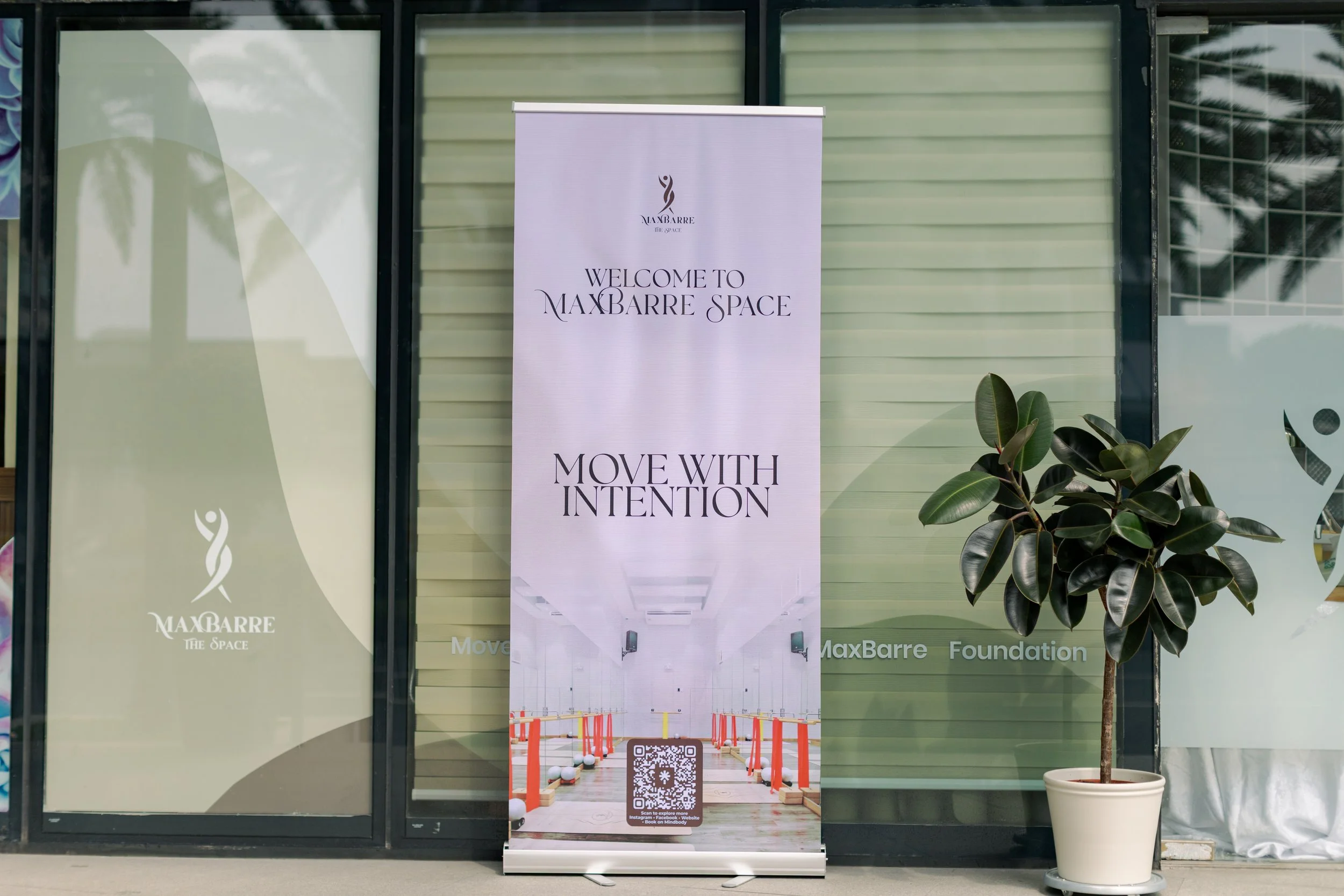
FB: maxbarre | IG: maxbarrespaceph | Viber: 09275958074

AS Watson Delivers 10% Global Health Growth Powered by 3,300+ Pharmacists Advancing Preventive Healthcare Worldwide

On World Pharmacists Day, AS Watson, the parent company of Watsons Philippines, celebrates the contribution of more than 3,300 pharmacists and nearly 10,000 health professionals who help customers proactively manage their health and wellbeing every day through its network of over 1,770 pharmacies worldwide.
Driven by growing customer interest in preventive healthcare and self-care, AS Watson recorded 10% growth in global health sales over the past year, reflecting increasing demand for products and services that support overall wellbeing and healthier lifestyles.
Peter Macnab, International Commercial Director of AS Watson, said, “As healthcare continues to evolve from treatment to prevention, AS Watson is supporting customers with trusted professional advice, personalised and innovative O+O (Offline plus Online) healthcare solutions. We proudly recognise our pharmacists and healthcare professionals whose expertise and dedication make a meaningful difference to the health of customers and communities every day."
AS Watson Unveils Global Health Research
To better understand evolving customer health behaviours, AS Watson unveiled findings from its Global Health Research, conducted by WISE, its customer experience insights division, among over 11,000 respondents across 10 markets in Europe and Asia.
The survey found that health concerns (43%) are the main driver of health product adoption, with professional advice (41%) from healthcare experts remaining a key influence alongside recommendations from family and friends (32%).
Customers are increasingly adopting an offline and online approach to product research, combining online research (82%), health professional consultations (49%) and in-store product discovery (44%). When making purchase decisions, they consider a combination of price and promotion (56%), brand trust (48%), and product benefits (45%).
The findings highlight the increasingly important role pharmacists play in preventive healthcare, helping customers make informed health decisions through trusted professional advice and guidance.
Watsons Philippines is strengthening the role of its pharmacists through continuing education and specialised training. Programs such as the Diabetes Educator Training Program with Diabetes Philippines and the Respiratory Care Educator Program with the Philippine College of Chest Physicians and the Philippine Pharmacists Association equip pharmacists to provide guidance that helps customers better understand their health, make informed decisions, and take more proactive steps toward managing their wellbeing.
Peter concluded, "The future of healthcare is increasingly preventive, personalised and accessible. By bringing together trusted expertise, personalised care and O+O innovation, AS Watson is building a healthcare ecosystem that helps people take charge of their health with confidence. Our ambition is to make preventive healthcare more accessible and relevant to every customer, helping create healthier lives and communities worldwide."


Why The Little Zions Pediatric Medical Group, a Pediatric Clinic at Valenzuela City, Encourages Families to Prioritize Regular Health Checkups
Many people only think about visiting a doctor when something already feels wrong. A fever, a cough, body pain, or sudden discomfort usually becomes the signal to finally book a consultation. But for The Little Zions Pediatric Medical Group, healthcare should not only begin when symptoms appear. It should start with awareness, prevention, and regular monitoring.
At TLZ Pediatrics, the clinic encourages families to prioritize regular health checkups as part of a smarter and more proactive approach to healthcare. By helping patients understand their health status early, TLZ Pediatrics aims to support better decision-making for children, adults, and families at every stage of life.
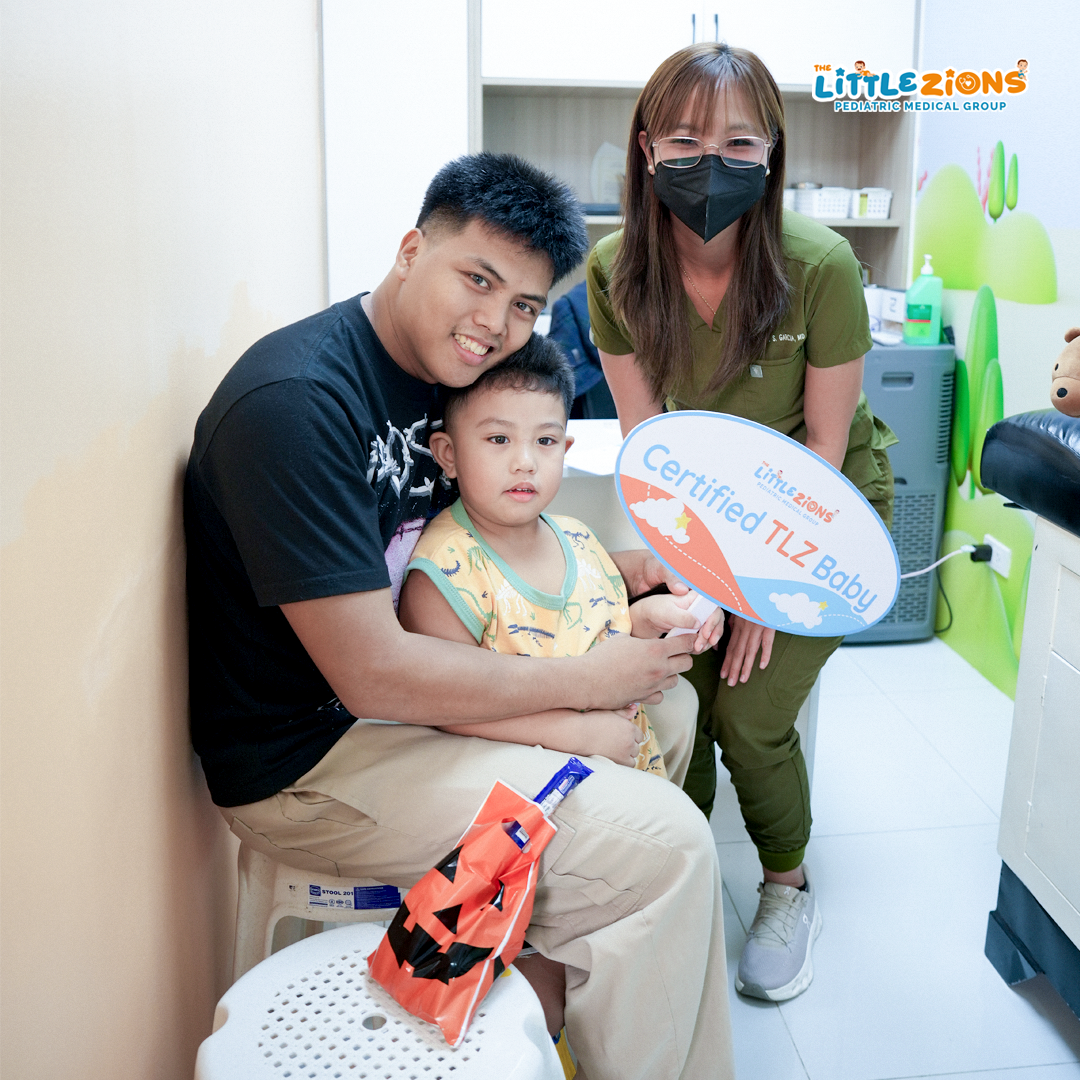
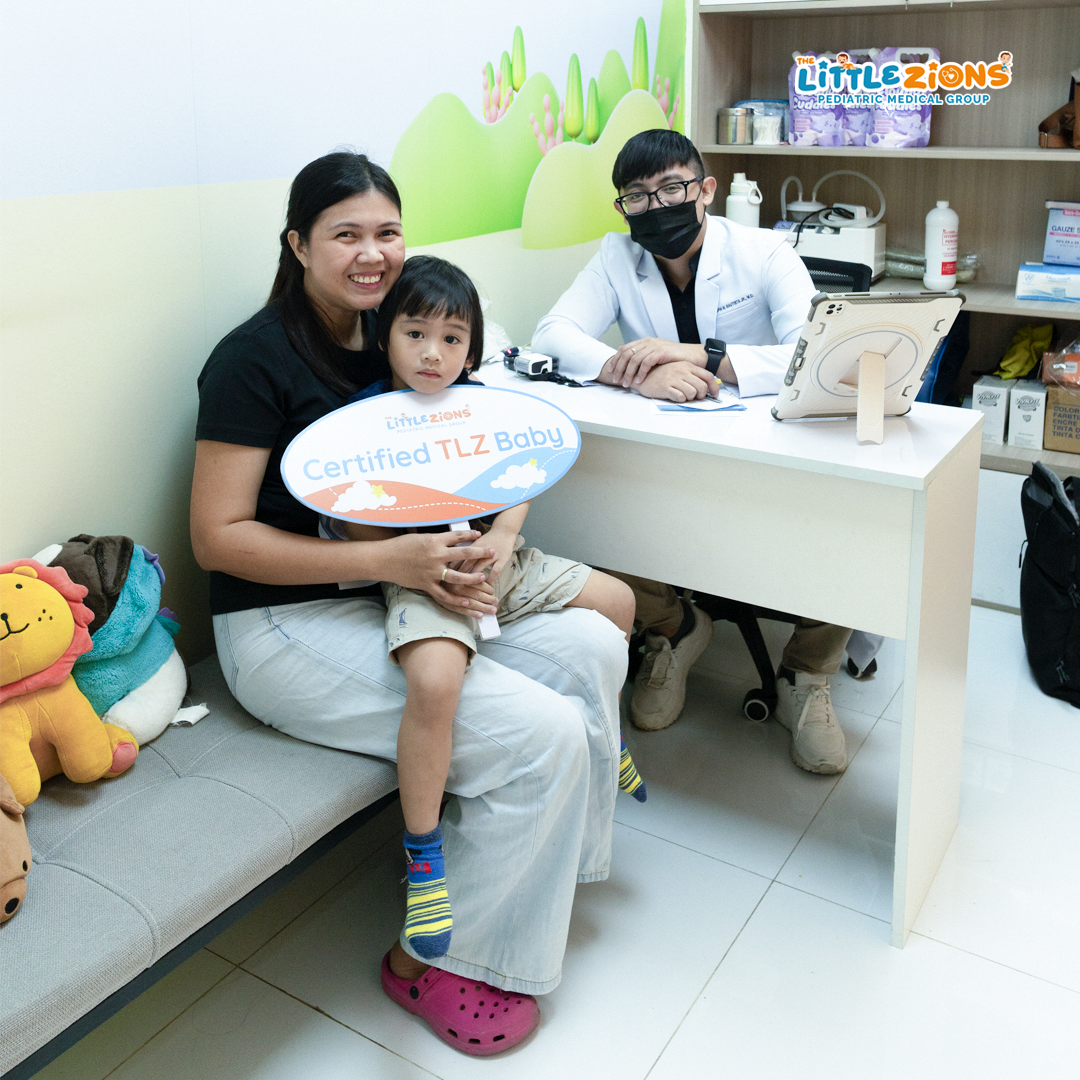
This growing trust is reflected in the clinic’s patient behavior, with 92% of TLZ Pediatrics’ patients coming back for continued care. As more mommies, daddies, guardians and parents today become more conscious and proactive about their children’s health, many families continue to return for regular checkups, follow-up consultations, vaccinations, and preventive healthcare guidance.
Some health concerns can develop quietly. Conditions such as high blood pressure, diabetes, nutritional concerns, and other medical issues may not always show obvious signs in the beginning. This is why regular medical checkups matter. They help individuals and families identify possible health concerns early, before small issues have the chance to progress into bigger problems.

What Is a Medical Checkup?
A medical checkup is a routine health assessment done by a licensed healthcare professional. Unlike a consultation that usually happens because of an existing concern, a checkup is more proactive. It is designed to review overall health, monitor important indicators, and identify possible risks early.
During a checkup, the doctor may ask about medical history, family health background, current medications, lifestyle habits, and any symptoms or concerns the patient may have noticed. These details help create a clearer picture of one’s overall health and guide the next steps for proper care.
For The Little Zions Pediatric Medical Group, regular checkups are not just about checking for illness. They are about helping families stay informed, prepared, and confident when it comes to their health.



Why Regular Checkups Matter
One of the biggest benefits of a regular medical checkup is early detection. Some illnesses may not immediately affect daily life, but they can still progress over time. Through routine assessment, possible health concerns can be identified earlier, allowing doctors to recommend the right treatment, monitoring, or lifestyle adjustments.
TLZ Pediatrics believes that early awareness can make a meaningful difference in how families manage their health. When concerns are detected earlier, patients may have more options for care, better guidance from their doctor, and a stronger opportunity to prevent complications.
Regular checkups also help improve treatment outcomes. When a condition is detected at an earlier stage, doctors can provide timely recommendations that may support faster intervention and better long-term health management.
Beyond detecting illness, checkups also give families a better understanding of the body. Good health is not only about the absence of disease. It is also about knowing your physical condition, tracking changes, and making informed decisions for yourself and your loved ones.
Building a Stronger Doctor-Patient Relationship
For families, routine checkups also help build a trusted relationship with healthcare providers. When children and adults regularly see their doctor, it becomes easier to ask questions, raise concerns, and receive guidance in a more comfortable and open way.
The Little Zions Pediatric Medical Group continues to position itself as a family-centered healthcare provider that supports both treatment and prevention. By creating a welcoming clinic experience, TLZ Pediatrics helps make healthcare feel more approachable for children, parents, and adults.
This approach reflects the clinic’s commitment to care that goes beyond one-time consultations. TLZ Pediatrics aims to become a trusted healthcare partner for families, offering guidance, support, and medical attention that can help patients stay on track with their health goals.
A Smarter Way to Care for Your Family
Being proactive with health is one of the best investments a family can make. Regular checkups can support prevention, promote healthier habits, and help reduce the risk of more serious concerns in the future.
At The Little Zions Pediatric Medical Group, healthcare is designed to support every stage of family life. With a team of pediatricians and licensed medical doctors, TLZ Pediatrics provides pediatric consultation, adult consultation, ENT consultation, wellness checkups, vaccination, and other medical services for children and families.
More than treating symptoms, TLZ Pediatrics encourages families to take control of their health before problems become more serious. Through regular medical checkups, the clinic helps patients move from reactive healthcare to proactive care.
Because the best time to care for your health is not only when you feel sick. Sometimes, the smartest move is to check in before anything feels wrong.
To learn more about The Little Zions Pediatric Medical Group and its healthcare services, visit www.tlzpedia.com.

The Little Zions Pediatric Medical Group: CAMANAVA’s First Child-Friendly Pediatric Clinic with a Dedicated Play Area
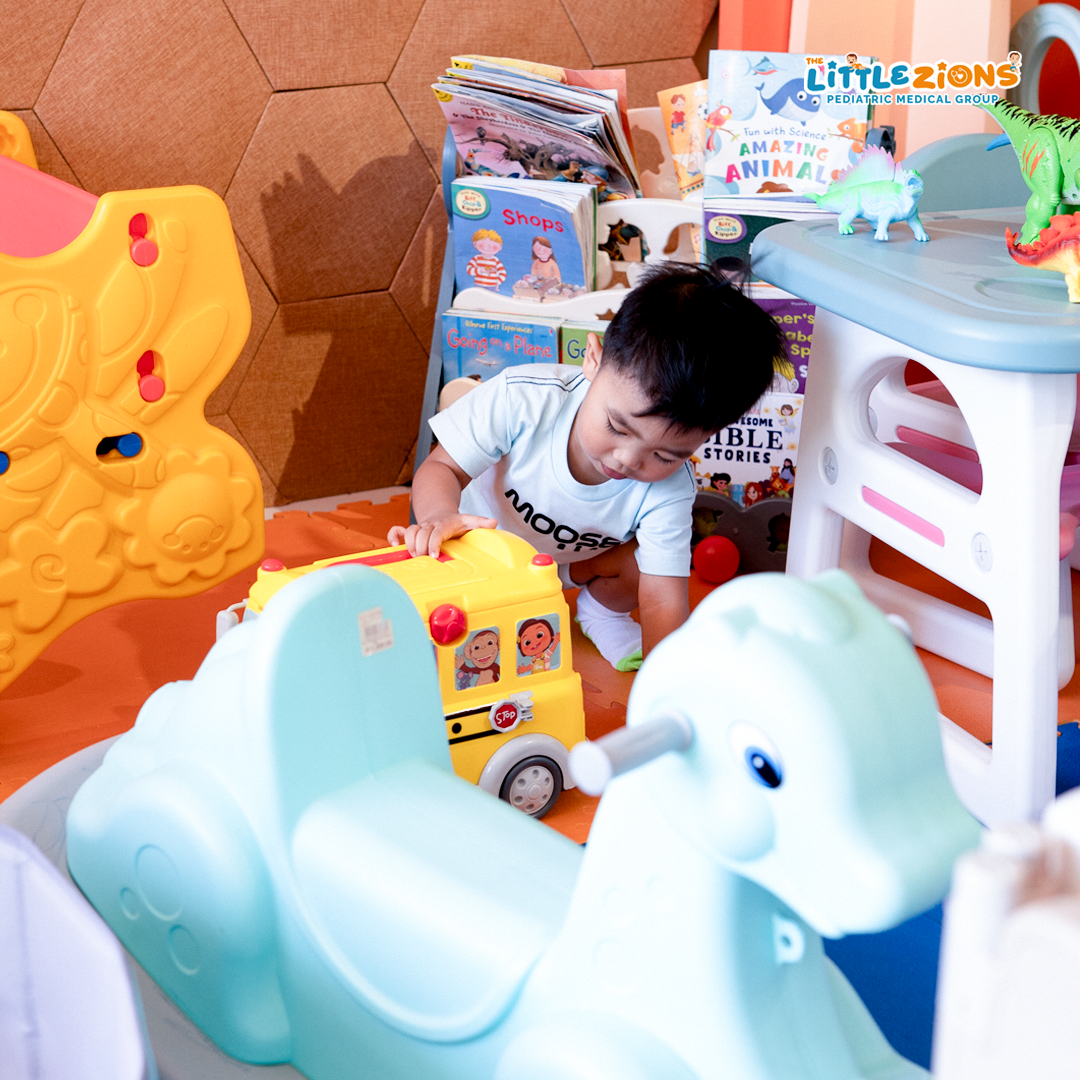
The Little Zions Pediatric Medical Group proudly introduces a first in CAMANAVA: a child-friendly pediatric clinic with a dedicated play area, designed to make healthcare feel less scary and more comforting for children and families.
For many kids, a clinic visit can feel like a big moment. The unfamiliar surroundings, waiting time, and medical procedures can sometimes make them feel nervous even before they meet the doctor. But at The Little Zions Pediatric Medical Group, the goal is to change that experience from something children fear into something they can slowly feel comfortable with.
Instead of the usual clinic setup that may feel too serious or intimidating for young patients, TLZ Pediatrics created a warmer and more welcoming space where children can feel seen, safe, and cared for. At the heart of this experience is its dedicated play area, a feature designed to help kids relax, stay engaged, and feel more at ease while waiting for their consultation.

Making Clinic Visits More Child-Friendly
The idea is simple but meaningful: when children feel comfortable in their environment, the entire healthcare experience becomes better. A playful and child-centered space can help ease anxiety, build trust, and create a more positive association with visiting the doctor.
Through its dedicated play area, TLZ Pediatrics gives children a space where they can enjoy, explore, and feel welcomed. It helps turn waiting time into a lighter and more positive experience, giving families a clinic visit that feels less stressful and more supportive.
This child-friendly approach reflects the clinic’s commitment to pediatric care that goes beyond consultation. It is about creating a healthcare environment where children are not only treated, but also understood.
Care for Children and Families
While TLZ Pediatrics is centered on children’s healthcare, the clinic also provides services that support the needs of families. Its healthcare services include pediatric consultation, adult consultation, in-clinic consultation, ENT consultation, teleconsultation, vaccination, developmental assessment, nebulization, circumcision, animal bite services, intravenous medication, wound suturing, and incision and drainage.
By combining medical care with a warm and child-friendly environment, The Little Zions Pediatric Medical Group continues to redefine what a pediatric clinic experience can be.
More than just a place for checkups, TLZ Pediatrics is building a space where children can feel safe, parents can feel supported, and every visit can become a more positive healthcare journey.
With branches in Gen. T. De Leon, Malinta, and Dalanan in Valenzuela City, TLZ Pediatrics continues to make quality and child-friendly healthcare more accessible to families. Beginning its journey in Valenzuela, TLZ Pediatrics is set to bring its child-friendly healthcare experience closer to more families as it expands across the CAMANAVA area by 2027.
To learn more about The Little Zions Pediatric Medical Group and its child-friendly healthcare experience, visit www.tlzpedia.com.

ITM Wellness O’clock: How is your mind and heart doing, really?
“I’m Fine” — The Two Words We Say When We’re Hurting the Most

Photo Courtesy: Canva.com
There are moments when our heart feels heavy, our mind feels tired, and yet when someone asks, “Are you okay?” we still smile and say, “I’m fine,” or “It’s nothing.” Sometimes, those words are not lies — they are protection. Deep inside, many people are carrying emotions they were never taught how to safely express.
Opening up can feel difficult because our nervous system constantly scans for safety. When we have experienced judgment, criticism, rejection, or emotional invalidation, vulnerability can begin to feel dangerous. Even when someone genuinely cares, a part of us may still hesitate. We fear being misunderstood, becoming a burden, or appearing “too emotional.” So instead of speaking, we stay silent. Instead of feeling, we avoid.
But avoidance is not the same as peace. Pushing emotions away may give temporary relief, but unprocessed feelings often stay within us. They can quietly show up through overthinking, irritability, emotional numbness, or repeated unhealthy patterns in relationships. What we don’t feel, we repeat. What we feel, we can release.
This is why emotional awareness matters. There is a powerful phrase in psychology: “Name it to tame it.” When we gently acknowledge what we truly feel — hurt, loneliness, fear, disappointment, exhaustion — our emotions become less overwhelming. Naming our emotions helps our brain and body process them with more clarity and compassion.
Healing does not always begin with grand conversations. Sometimes, it starts with a quiet and honest moment of saying, “I’m actually not okay.” Real peace is not found in pretending nothing hurts. Real peace happens when we feel safe enough to be honest with ourselves, to feel what is there, and to remember that being human also means needing support sometimes.
Expert Insights by
Cleo Viray, MC, RGC
Mental Wellness Counselor
ITM Wellness O’clock: How is my mind and heart doing, really?
National Mental Health Crisis Hotlines
These services are available 24/7, free of charge, and provide immediate emotional support.
NCMH Crisis Hotline: 1553 (Luzon-wide landline), 0917-899-8727 (Globe), or 0919-057-1553 (Smart)
Other Crisis Support Lines:
Hopeline Philippines: (02) 8804-4673 / 0917-558-4673 / 0918-878-4673
In Touch Community Services: (02) 8893-7603 / 0917-800-1123 / 0922-893-8944
Tawag Paglaum - Centro Bisaya: 0939-936-5433 / 0939-937-5433 (Smart) or 0966-467-9626 (Globe)
National Emergency Hotline: 911
Corporate Wellbeing & Mental Health Training
For organizations looking to support their teams, specialized training is available to address workplace-specific challenges.
For corporate training on workplace wellbeing and mental health—covering stress, burnout, and resilience for employees at all levels—you may contact:
Ayie Bermudez | Mobile: 0966-962-0088

ITM Wellness O’clock: How can looking at your situation differently help you move forward?
Feeling Stuck? Your Mind Might Need More Options

We all go through problems, disappointments, and stressful moments in life. Sometimes, when things do not go the way we expected, our mind can get stuck in one way of thinking.
We start telling ourselves:
“Wala nang solution.”
“Failure na agad.”
“Hindi ko na kaya.”
When we are overwhelmed, our brain naturally focuses too much on the problem. It becomes harder to see other perspectives, options, or possibilities. This can make stress feel even heavier.
This is why cognitive flexibility is important.
Cognitive flexibility is the ability to adjust our thinking, look at situations from different perspectives, and adapt when things do not go as planned. Instead of getting trapped in one interpretation, we learn to create space for other possibilities.
For young working professionals, this can happen in very normal situations.
For example:
You worked hard on a presentation, but your manager suddenly asks you to revise it the night before the deadline.
Your first thoughts might be:
“Hindi na-appreciate effort ko.”
“Hindi ako magaling.”
“Sayang lahat ng ginawa ko.”
These reactions are understandable. But when we stay stuck in one interpretation, we become more frustrated, discouraged, or emotionally drained.
Flexible thinking helps us pause and consider:
Maybe the revisions are meant to improve the project.
Maybe the manager is also under pressure.
Maybe this is an opportunity to strengthen the work further.
It does not mean ignoring your emotions or forcing yourself to be positive. It simply means reminding yourself that there may be more than one way to understand the situation.
Here are 3 simple ways to practice flexible thinking in daily life:
1. The “More Than One Way” Technique
When stressed, we often think there is only one solution or one possible outcome.
Pause and ask yourself:
“What are 3 possible ways I can respond to this?”
“What else can I do aside from my first reaction?”
Example:
You made a mistake at work.
Your stressed mind says: "Nakakahiya. Ayoko na pumasok."
Flexible thinking says:
I can apologize and clarify.
I can ask for guidance.
I can learn from this and improve next time.
Sometimes we do not need the perfect answer immediately. We just need to remember that we still have choices.
2. The “Bigger Picture” Technique
When overwhelmed, we tend to focus too closely on one problem until it feels bigger than everything else.
Ask yourself:
“Will this matter next month?”
“What would I say to a friend in the same situation?”
“Is this one moment defining my whole life?”
Example:
You got left on read in a work group chat.
Your mind says: "Baka ayaw nila sakin."
Looking at the bigger picture can remind you:
People are busy.
Messages get missed.
One interaction does not define your value.
Sometimes we need to mentally step back before reacting emotionally.
3. The “Different Angle” Technique
Try viewing the situation from another perspective.
Ask yourself:
“How would another person see this?”
“What would my future self say about this?”
“Is there something I can learn here?”
Example:
Your plans did not work out.
Your mind says: "Failure na agad."
A different perspective could be:
“Maybe I need a different approach.”
“Maybe this is part of the learning process.”
“Maybe this redirection is helping me grow.”
Different perspectives can help us feel less trapped and more capable of handling challenges.
Flexible thinking is not about pretending everything is okay.
It is about helping ourselves move away from getting stuck in one painful thought and reminding ourselves that there may still be other ways forward.
Expert Insights by
Cleo Viray, MC, RGC
Mental Wellness Counselor
ITM Wellness O’clock: How can looking at your situation differently help you move forward?
National Mental Health Crisis Hotlines
These services are available 24/7, free of charge, and provide immediate emotional support.
NCMH Crisis Hotline: 1553 (Luzon-wide landline), 0917-899-8727 (Globe), or 0919-057-1553 (Smart)
Other Crisis Support Lines:
Hopeline Philippines: (02) 8804-4673 / 0917-558-4673 / 0918-878-4673
In Touch Community Services: (02) 8893-7603 / 0917-800-1123 / 0922-893-8944
Tawag Paglaum - Centro Bisaya: 0939-936-5433 / 0939-937-5433 (Smart) or 0966-467-9626 (Globe)
National Emergency Hotline: 911
Corporate Wellbeing & Mental Health Training
For organizations looking to support their teams, specialized training is available to address workplace-specific challenges.
For corporate training on workplace wellbeing and mental health—covering stress, burnout, and resilience for employees at all levels—you may contact:
Ayie Bermudez | Mobile: 0966-962-0088

ITM Wellness O’clock: Are you feeling lazy, or simply overwhelmed from carrying too much?
Not Lazy, Just Overwhelmed: Understanding Anxiety

Photo Courtesy: Canva.com
We hear the word “anxiety” a lot nowadays. Many people use it to describe constant worrying, restlessness, difficulty breathing, muscle tightness, overthinking, or sudden crying spells. But what exactly is anxiety, and why does it happen?
According to the World Health Organization (WHO), anxiety is characterized by excessive fear and worry that may come with physical tension and other emotional, behavioral, and cognitive symptoms. It can become difficult to control and may start affecting daily life, relationships, sleep, work, and overall wellbeing.
Anxiety is our mind and body’s response to feeling overwhelmed or unsafe. It is part of our nervous system’s way of protecting us from stress or danger. When stress becomes too much for too long, the body reacts physically, emotionally, and mentally.
Imagine your body as a container. When too much pressure, stress, responsibilities, or worries are placed inside, it can start to overflow.
For many young working adults, stress may come from deadlines, financial pressure, family responsibilities, relationship problems, uncertainty about the future, or constantly trying to keep up with life. When stress builds up without enough rest or support, even simple tasks can suddenly feel exhausting or heavy.
It is not always laziness. Sometimes, the mind and body are simply overwhelmed.
Common Signs of Anxiety
Anxiety can affect us physically, emotionally, mentally, and behaviorally.
Physical
Tight chest or difficulty breathing
Fast heartbeat
Muscle tension, especially in the neck, shoulders, arms, or hands
Headaches or stomach discomfort
Trouble sleeping
Feeling tired all the time
Emotional
Feeling nervous or restless
Irritability or being easily overwhelmed
Frequent crying
Feeling constantly “on edge”
Mental
Overthinking
Racing thoughts
Difficulty concentrating
Constant worry about the future or worst-case scenarios
Behavioral
Avoiding people or responsibilities
Difficulty relaxing
Withdrawing from others
What Can Help?
Prevention is better than cure. Small daily habits can help regulate the nervous system before stress becomes too overwhelming.
Here are some simple things that may help:
Get enough sleep and rest
Move your body through walking or exercise
Talk to trusted friends or family
Take short breaks during work
Practice slow breathing when overwhelmed
Do activities that help you feel calm and grounded
Most importantly, anxiety is not a life sentence. It does not mean you are weak or failing. It may simply mean your mind and body have been carrying too much stress for too long.
Reaching out for help is okay. Talking to a mental health professional, counselor, or support system can help you better understand what you are experiencing and learn healthier ways to cope.
You do not have to go through it alone.
Expert Insights by
Cleo Viray, MC, RGC
Mental Wellness Counselor
Inside the Metro Check-in: Are you feeling lazy, or simply overwhelmed from carrying too much?
National Mental Health Crisis Hotlines
These services are available 24/7, free of charge, and provide immediate emotional support.
NCMH Crisis Hotline: 1553 (Luzon-wide landline), 0917-899-8727 (Globe), or 0919-057-1553 (Smart)
Other Crisis Support Lines:
Hopeline Philippines: (02) 8804-4673 / 0917-558-4673 / 0918-878-4673
In Touch Community Services: (02) 8893-7603 / 0917-800-1123 / 0922-893-8944
Tawag Paglaum - Centro Bisaya: 0939-936-5433 / 0939-937-5433 (Smart) or 0966-467-9626 (Globe)
National Emergency Hotline: 911
Corporate Wellbeing & Mental Health Training
For organizations looking to support their teams, specialized training is available to address workplace-specific challenges.
For corporate training on workplace wellbeing and mental health—covering stress, burnout, and resilience for employees at all levels—you may contact:
Ayie Bermudez | Mobile: 0966-962-0088

ITM Wellness O’clock: When Was the Last Time You Truly Felt Rested and at Peace?
Running on Empty: Why You’re Tired But Still Can’t Sleep

Photo Courtesy: Canva.com
Sleep is not just about “completing” 7 to 9 hours. What also matters is the quality of your sleep. Good sleep helps our mind and body recover from stress, work, and daily responsibilities. It improves focus, mood, energy, memory, and even immunity. Research shows that adults who regularly sleep less than 7 hours are more likely to experience stress, anxiety, low energy, and health problems.
Stress and sleep are closely connected. When we are stressed, our body releases more cortisol, also known as the “stress hormone.” High cortisol levels keep the body alert, making it harder to fall asleep or stay asleep. Poor sleep can also increase stress the next day, creating a cycle of puyat and pagod.
One common sleep problem among young workers is doomscrolling before bed. Watching endless short videos, stressful news, or emotionally intense content keeps the brain active and anxious. Studies show that screen time and doomscrolling at night can worsen sleep quality and delay sleep.
Realistic ways to improve sleep:
Avoid phones and doomscrolling at least 30 minutes before sleeping
Keep a consistent sleep and wake-up time, even on weekends
Dim lights and lessen screen brightness at night
Avoid too much caffeine late in the day
Try calming activities before bed like stretching, deep breathing, or listening to relaxing music
Keep your room cool, quiet, and comfortable
If your mind is too active, try writing down worries or tomorrow’s tasks before sleeping
Rest is not ‘pagiging tamad’. Sleep is part of recovery, mental health, and productivity.
Expert Insights by
Cleo Viray, MC, RGC
Mental Wellness Counselor
Inside the Metro Check-in: When was the last time you truly felt rested and at peace?
National Mental Health Crisis Hotlines
These services are available 24/7, free of charge, and provide immediate emotional support.
NCMH Crisis Hotline: 1553 (Luzon-wide landline), 0917-899-8727 (Globe), or 0919-057-1553 (Smart)
Other Crisis Support Lines:
Hopeline Philippines: (02) 8804-4673 / 0917-558-4673 / 0918-878-4673
In Touch Community Services: (02) 8893-7603 / 0917-800-1123 / 0922-893-8944
Tawag Paglaum - Centro Bisaya: 0939-936-5433 / 0939-937-5433 (Smart) or 0966-467-9626 (Globe)
National Emergency Hotline: 911
Corporate Wellbeing & Mental Health Training
For organizations looking to support their teams, specialized training is available to address workplace-specific challenges.
For corporate training on workplace wellbeing and mental health—covering stress, burnout, and resilience for employees at all levels—you may contact:
Ayie Bermudez | Mobile: 0966-962-0088

ITM Mental Wellness O’clock: Do Your Boundaries Protect Your Peace or Push People Away Sometimes?
Boundaries: Protecting Your Peace Without Pushing People Away

Photo Courtesy: Canva.com
For many young working adults, the word “boundaries” can sound harsh or intimidating. Some people think boundaries mean becoming distant, cold, or selfish. But boundaries are not walls meant to push people away. Healthy boundaries are mental and emotional limits that help protect your well-being, energy, and self-respect.
A helpful question to ask yourself is:
“Why do I need to create boundaries?”
Is it to avoid people completely, or is it to protect your mental and emotional health?
Most of the time, healthy boundaries are not about rejecting others. They are about learning how to take care of yourself while still maintaining respectful relationships.
Why Boundaries Matter
Many Filipino young professionals grow up in environments that value pakikisama, being accommodating, and avoiding conflict. While these are beautiful values, they can sometimes make it difficult to say “no,” speak honestly, or prioritize rest.
Over time, constantly ignoring your own needs can lead to:
Burnout
Resentment
Anxiety
Emotional exhaustion
Loss of self-confidence
According to research from the American Psychological Association, people who practice healthy boundaries often experience lower stress levels, better emotional regulation, and healthier relationships. Boundaries help create clarity: people understand what is okay and what is not okay for you.
Boundaries May Feel Uncomfortable at First
One important truth about boundaries:
When you start creating them, some people may feel uncomfortable or even hurt.
For example:
Saying no to overtime when you are exhausted
Not replying to work messages late at night
Asking for personal space
Speaking honestly about what affects you emotionally
People who are used to having unlimited access to your time or energy may react negatively at first. That does not automatically mean your boundary is wrong.
Healthy boundaries can create temporary discomfort, but in the long run, they often lead to:
More respect
Better communication
Stronger trust
Healthier relationships
Greater self-respect
Real relationships grow stronger when both people understand and respect each other’s limits.
Practical Boundaries for Young Working Adults
Here are simple and realistic ways to practice healthy boundaries:
1. Protect Your Rest
You do not need to answer every message immediately, especially after work hours.
Try saying:
“I’ll reply tomorrow during work hours.”
“I need to rest tonight so I can function well tomorrow.”
Rest is not laziness. Recovery is necessary.
2. Learn to Say “No” Without Over-Explaining
You are allowed to decline invitations, extra tasks, or responsibilities that overwhelm you.
Simple is enough:
“I can’t commit right now.”
“I already have too much on my plate.”
You do not need a dramatic excuse to protect your energy.
3. Separate Your Worth From Productivity
Many young adults feel guilty when they slow down. But your value is not based only on how useful or available you are.
Boundaries remind you that you are a person, not just a worker.
4. Communicate Early and Calmly
Do not wait until you explode from frustration.
Healthy boundaries sound like:
“I feel overwhelmed when…”
“I need some quiet time after work.”
“I’m okay helping, but I also need time for myself.”
Clear communication prevents resentment.
Boundaries Are an Act of Self-Respect
At the end of the day, boundaries are not about controlling other people. They are about understanding your own limits and honoring them.
The goal is not to become distant.
The goal is to build relationships where respect, honesty, and emotional safety can exist on both sides.
Creating boundaries may feel difficult at first, especially if you are used to always adjusting for everyone else. But with practice, boundaries can help you become healthier emotionally, mentally, and even professionally.
Because sometimes, protecting your peace is also protecting your future self.
Expert Insights by
Cleo Viray, MC, RGC
Mental Wellness Counselor
Inside the Metro Check-in: Do Your Boundaries Protect Pour Peace or Push People Away Sometimes?

National Mental Health Crisis Hotlines
These services are available 24/7, free of charge, and provide immediate emotional support.
NCMH Crisis Hotline: 1553 (Luzon-wide landline), 0917-899-8727 (Globe), or 0919-057-1553 (Smart)
Other Crisis Support Lines:
Hopeline Philippines: (02) 8804-4673 / 0917-558-4673 / 0918-878-4673
In Touch Community Services: (02) 8893-7603 / 0917-800-1123 / 0922-893-8944
Tawag Paglaum - Centro Bisaya: 0939-936-5433 / 0939-937-5433 (Smart) or 0966-467-9626 (Globe)
National Emergency Hotline: 911
Corporate Wellbeing & Mental Health Training
For organizations looking to support their teams, specialized training is available to address workplace-specific challenges.
For corporate training on workplace wellbeing and mental health—covering stress, burnout, and resilience for employees at all levels—you may contact:
Ayie Bermudez | Mobile: 0966-962-0088
ITM Mental Wellness O’clock: How is your mental battery today?

Photo Courtesy: Canva.com
From a licensed mental health counselor—this is your gentle check-in.
Mental health matters just as much as physical health. The same way our bodies get tired and ask for rest, our minds quietly do too. That’s why it’s important to pause once in a while and check in on your “mental battery.”
Your mental battery is your inner energy—what you use to think clearly, handle stress, connect with others, and get through your day. When it’s full, things feel lighter and more manageable. When it’s running low, even the smallest tasks can feel overwhelming.
So, how is your mental battery today?
Maybe you’re still showing up—attending meetings, replying to messages, finishing your tasks… but deep down, you feel a kind of tiredness that rest doesn’t easily fix.
If this is you, I want you to know: you’re not alone, and there’s nothing wrong with you. It’s okay to feel this way. You don’t have to wait until you’re completely burned out to admit that you’re already running low.
Functioning doesn’t always mean you’re okay—and that deserves compassion, not pressure.
If you can, be gentle with yourself today:
Step away from your screen, even just for a few minutes
Take one slow, deep breath and let your shoulders soften
Drink some water, and give your body a small moment of care
Allow yourself to rest when your workday ends, without guilt
You are allowed to have limits.
You are allowed to pause.
You are allowed to take care of yourself, even when life feels busy.
You are more than your deadlines. More than your to-do list.
You are a person who deserves rest, care, and kindness—especially from yourself.
Expert Insights by
Cleo Viray, MC, RGC
Mental Wellness Counselor
Inside the Metro Check-in: How is your mental battery today?
National Mental Health Crisis Hotlines
These services are available 24/7, free of charge, and provide immediate emotional support.
NCMH Crisis Hotline: 1553 (Luzon-wide landline), 0917-899-8727 (Globe), or 0919-057-1553 (Smart)
Other Crisis Support Lines:
Hopeline Philippines: (02) 8804-4673 / 0917-558-4673 / 0918-878-4673
In Touch Community Services: (02) 8893-7603 / 0917-800-1123 / 0922-893-8944
Tawag Paglaum - Centro Bisaya: 0939-936-5433 / 0939-937-5433 (Smart) or 0966-467-9626 (Globe)
National Emergency Hotline: 911
Corporate Wellbeing & Mental Health Training
For organizations looking to support their teams, specialized training is available to address workplace-specific challenges.
For corporate training on workplace wellbeing and mental health—covering stress, burnout, and resilience for employees at all levels—you may contact:
Ayie Bermudez | Mobile: 0966-962-0088

Running in the Heat: Staying Active During a Philippine Summer

Summer in the Philippines can be tough. The heat is intense, the humidity is high, and even simple activities can feel more tiring than usual. For runners, it’s usually the season where motivation gets tested the most.
But here’s the thing—summer doesn’t have to stop your running routine. You just need to adjust, not quit.
Running in Summer Still Works (If You Do It Right)
Running is still one of the easiest ways to stay fit, even in hot weather. The key is not pushing your usual pace or distance. It’s about staying consistent while being mindful of your body.
Some days will feel harder than others, and that’s normal. What matters is showing up in a way that’s safe and manageable.
Pick the Right Time
Timing makes a big difference.
Early mornings are usually the best option. The air is cooler, the sun is softer, and the run feels more comfortable. Late afternoons or just before sunset can also work.
Midday runs? Best to avoid them when the heat is at its strongest.
Hydration is Non-Negotiable
You lose more fluids when running in hot weather, even if you don’t feel it right away.
Drink water before you run, bring water if you’re going longer, and make sure to rehydrate after. It’s a simple habit, but it helps a lot with energy and recovery.
Keep It Light and Simple
What you wear can affect your run more than you think. Light, breathable clothes help your body cool down better. A cap can also help protect you from direct sun.
It’s not about fancy gear—it’s about comfort.
Slow Down When Needed
Summer is not the season to force personal records. If you need to slow your pace, take walking breaks, or shorten your route, that’s okay.
Listening to your body is part of training too.
More Than Just Physical Fitness
Running in the heat builds something else—discipline.
It teaches you how to show up even when conditions aren’t ideal. That mindset often carries over to other parts of life, not just fitness.
Final Thought
You don’t need perfect weather to stay active. You just need to adjust how you move.
So instead of stopping your runs this summer, make small changes. Run earlier, hydrate well, and go easier on yourself when needed.
Consistency matters more than comfort—and that’s what keeps you going all year round.

Savor Asia in Every Bite: Heybo Launches Two New Seasonal Bos

Shilin Lights and Jalan-Jalan are best enjoyed with Heybo’s sodas (available in 2 flavors: Calamansi and Raspberry).
Known for serving wholesome, flavorful bowls that blend global inspiration with local freshness, Heybo is redefining fast casual dining in the Philippines. With a focus on nutritious ingredients, bold flavors, and a playful approach to food, Heybo has become a go-to for diners seeking meals that are both healthy and exciting.

Inspired by Shilin Night Market in Taipei, the Shilin Lights Bo offers light, savory flavors with Heybo’s signature Char-grilled Steak, Taiwanese Cucumber Salad, Roasted Pumpkin Dip, Crispy Wonton, and Ginger Plum Vinaigrette.
Starting this August 26th, they’re inviting food lovers on a culinary journey across Asia with the launch of two new limited-time Bos: Shilin Lights and Jalan-Jalan. Inspired by Asia’s vibrant street food culture, these bowls capture the spirit of travel and food adventures: bringing bold flavors, wholesome ingredients, and balanced nutrition together in every serving.

Jalan-Jalan, from the Malay phrase for “stroll” or “food trip,” features an adventurous mix of grilled prawns, sweet potato noodles, and other fresh ingredients finished with a tangy laksa vinaigrette.
Shilin Lights pays tribute to the bustling Shilin Night Market in Taipei. Built on a base of sweet potato noodles, this bowl combines char-grilled steak, soft-boiled egg, grilled mushrooms, and Taiwanese cucumber salad with a roasted pumpkin dip and crispy wonton for texture. A drizzle of ginger plum vinaigrette ties it all together, creating a light yet savory balance that’s both satisfying and fresh.

Heybo’s new Asian-inspired Seasonal Bo’s capture the spirit of travel and food adventures: bringing together bold flavors and wholesome ingredients.
Meanwhile, Jalan-Jalan draws inspiration from the Malay phrase for “stroll” or “food trip,” evoking the joy of casual culinary adventures in Kuala Lumpur or Singapore. Featuring grilled prawns, soft-boiled egg, bean sprout salad, avocado edamame dip, and furikake over sweet potato noodles, it’s finished with a tangy laksa vinaigrette that delivers a savory, zesty kick.

Food adventures are best enjoyed together: Shilin Lights and Jalan-Jalan are available both in-store and delivery starting August 26, 2025.
Both bowls are protein-packed, wholesome options designed to excite both loyal Heybo fans and first-time diners. With their unique travel-inspired flavors, they highlight Heybo’s commitment to keeping its menu fresh, adventurous, and globally inspired while staying true to its promise of healthy yet delicious meals.
For a limited time only, diners can enjoy Shilin Lights and Jalan-Jalan in-store at Heybo’s locations in Central Square BGC, One Ayala, SM Podium, and Estancia, or conveniently order them for delivery through GrabFood or Foodpanda.

A Warm Hug in Every Bite: SaladStop! Launches Wild Wild Chicken and Opens New SM Pampanga Store
As the rainy season continues, SaladStop! invites everyone to cozy up to its newest limited-time offering: the Wild Wild Chicken Warm Protein Bowl—a fresh, satisfying, and protein-packed dish designed to warm you up from the inside out.

San Fernando, get ready to step into freshness — SaladStop!’s newest branch at SM City Pampanga is ready to welcome you with its wholesome, flavorful menu.
Available starting August 26, the Wild Wild Chicken bowl is everything you’d want on a gloomy day—comforting, hearty, and full of herby flavors. This seasonal Warm Protein Bowl features a delicious mix of BBQ Roasted Chicken, warm quinoa, romaine, charred corn, cheddar, avocado, cucumber, cherry tomatoes, and fresh coriander, all brought together by a light Chimichurri dressing.

Cozy up with the hearty Wild Wild Chicken bowl, a delicious mix of BBQ Roasted Chicken, warm quinoa, romaine, charred corn, cheddar, avocado, cucumber, cherry tomatoes, and fresh coriander, all brought together by a light Chimichurri dressing.
With 30 grams of protein, it’s the ideal bowl for those who want a filling, nourishing meal without compromising on taste.
The Wild Wild Chicken bowl will be available at all SaladStop! locations (excluding ADB branch). Fans can also order it through GrabFood and Foodpanda, or plan their week ahead by including it in their Daily Bowls by SaladStop! subscription—a convenient 3- or 5-day meal delivery service that offers premium, chef-curated bowls straight to your doorstep.
And just in time for this launch, SaladStop! just opened its newest store at SM City Pampanga (San Fernando) last August 22 — bringing its signature “Eat Wide Awake” experience closer to diners in the North. Guests can now look forward to enjoying the Wild Wild Chicken bowl, along with SaladStop!’s other signature salads, wraps, and warm protein bowls, now available at the Pampanga branch.
Whether you’re craving something hearty for the rainy days or excited to try SaladStop!’s newest store, the Wild Wild Chicken Warm Protein Bowl is here to give you that much-needed warm hug in every bite.

DEL MONTE LAUNCHES “NUTRI-LICIOUS” ADVOCACY TO FIGHT MALNUTRITION THROUGH EVERYDAY FAMILY MEALS
As part of its centennial celebration anchored on the theme of Nourishing Goodness, Del Monte Philippines launches the Nutri-licious advocacy—a nationwide effort that empowers moms to serve affordable, nutritious meals that can help address malnutrition in Filipino households.
1 in 4 Filipino Children Face Stunted Growth
Faced with 1 in 4 Filipino children under five affected by stunted growth*—a condition hindering a child’s health, development and future potential—the 'Nutri-licious' advocacy aims to make nutritious meals accessible. Partnering with the Philippine Stakeholders for Nutrition and Dietetics (PSND), a network of over 1,000 licensed nutritionists, Del Monte has developed easy, budget-friendly meals, each under Php200. The partnership with PSND will further strengthen the science behind our advocacy and expand our reach in educating more Filipino communities on the importance of including nutritious meals in our everyday lives.
Helping Moms Cook Nutritious Family Meals for Under Php200
At the heart of Nutri-licious is the belief that healthy family meals don’t have to be expensive. Del Monte features complete recipes that cost less than Php200 to serve a family of 4-5 using ingredients already familiar to Filipino households—like Del Monte Tomato Sauce, Pineapple Solids, and 100% Pineapple Juice with Vitamins A-C-E.
• Del Monte Tomato Sauce is powered by LycoNutrients™—a blend of lycopene, iodine, and vitamins A and C that support everyday wellness.
• Del Monte Packaged Pineapples (Tidbits and Chunks), dubbed as the “Superfruit ng mga Ulam,” are rich in vitamin C and fiber, helping boost immunity while enhancing dishes with their signature asim-tamis flavor
• Del Monte Pineapple Juice ACE delivers “PinaPhyto-Five” benefits—anti-inflammatory, antioxidant, anti-diabetic, anti-cancer, and neuroprotective properties, based on research by the University of San Agustin.
To support this advocacy of bringing Nutri-licious family meals from the kitchen to the nation, we will be leveraging the Del Monte’s Kitchenomics platform, a long-time ally of Filipino moms. Recipes will be housed in Del Monte Kitchenomics along with a QR code linking to Nutri-licious recipes will appear on campaign materials for moms to be able to recreate them for their families.

(L-R) Chef Geo Punsalan , Member, Nutrition Council, Del Monte Culinary Solutions Kitchen / Alvin Manalansan - Vice President, Philippine Stakeholders for Nutrition and Dietetics / Sharon Tanganco Chief Marketing Officer Del Monte Philippines / Ms. Iris Uy , Chief Scientific officer and R&D Head of Del Monte Philippines / Ms. Kate Demetrio , Nutritionist- Dietitian Del Monte Philippines
A Centennial Commitment to Nourishing the Health of Filipinos
Nutri-licious is more than an advocacy—it reflects Del Monte’s 100-year commitment to Nourishing Goodness in every Filipino home. It marks the start of a bigger movement to make nutritious meals a daily habit—one mom, one meal, and one family at a time.