Turning agricultural waste into wearable design, LAKAT Sustainable Sneakers brings Filipino craftsmanship and local communities to the international stage after earning a distinction at the 2026 Seoul Design Award.

What if discarded pineapple leaves could become more than agricultural waste? In the Philippines, they are being transformed into sustainable footwear—giving new purpose to local materials while creating opportunities for Filipino farmers and artisans.

LAKAT Sustainable Sneakers, a design initiative of Filipino enterprise Creative Definitions, has been named one of the Top 10 Main Awardees of the 2026 Seoul Design Award, selected from more than 1,200 entries representing 91 countries.
The recognition places Filipino sustainable design on the international stage, highlighting how innovation, traditional craftsmanship, and community-based production can come together to create products with both environmental and social value.


Turning pineapple byproducts into footwear
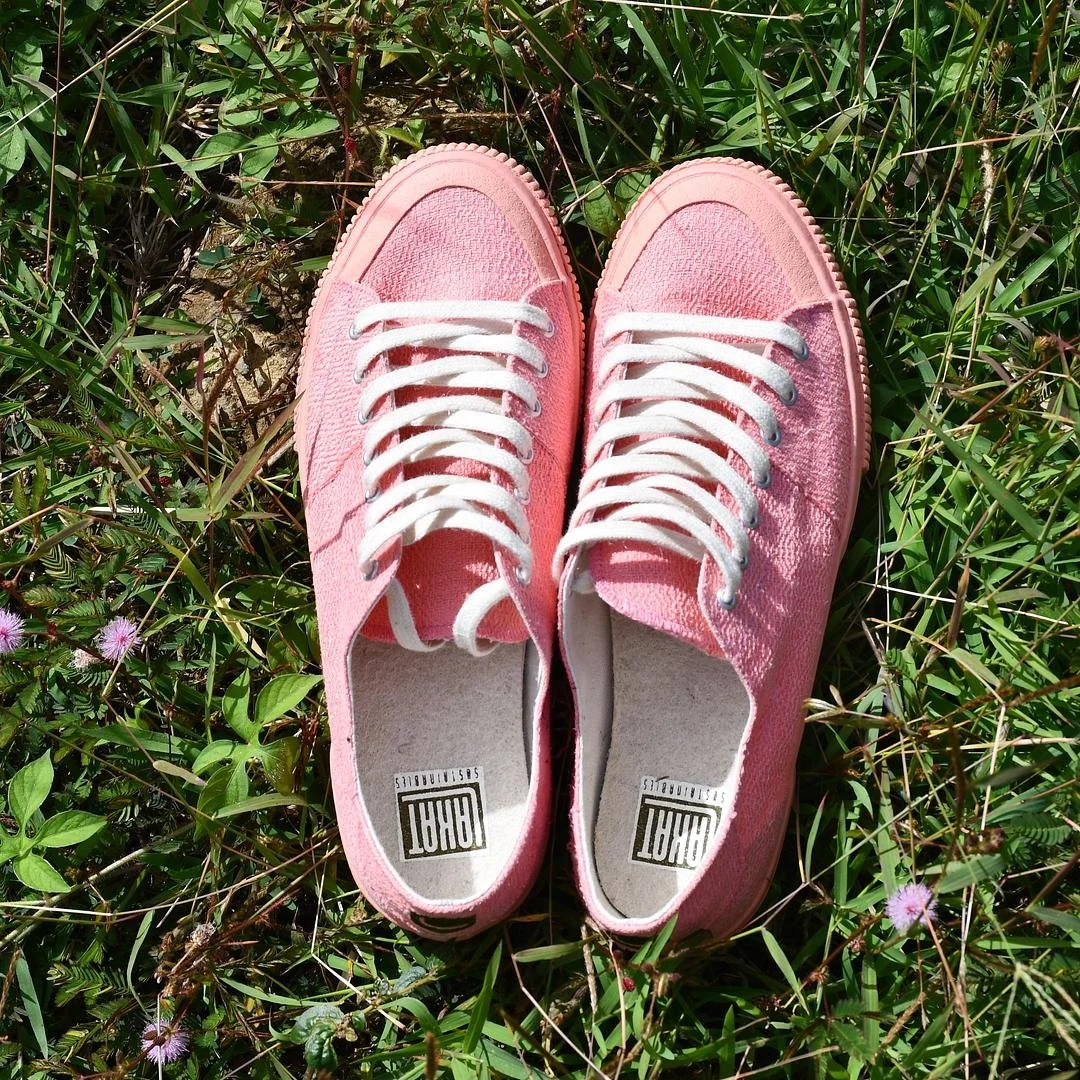
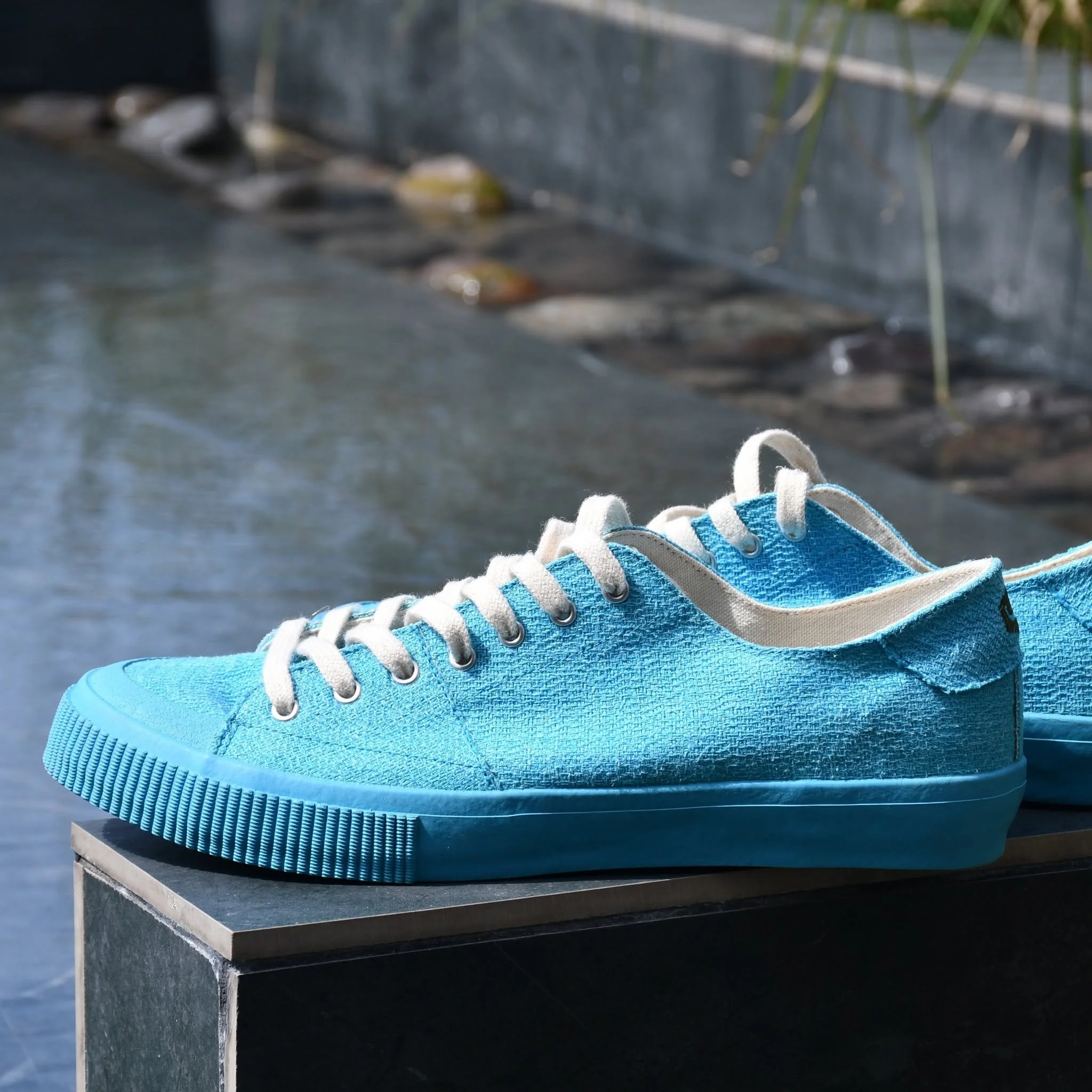
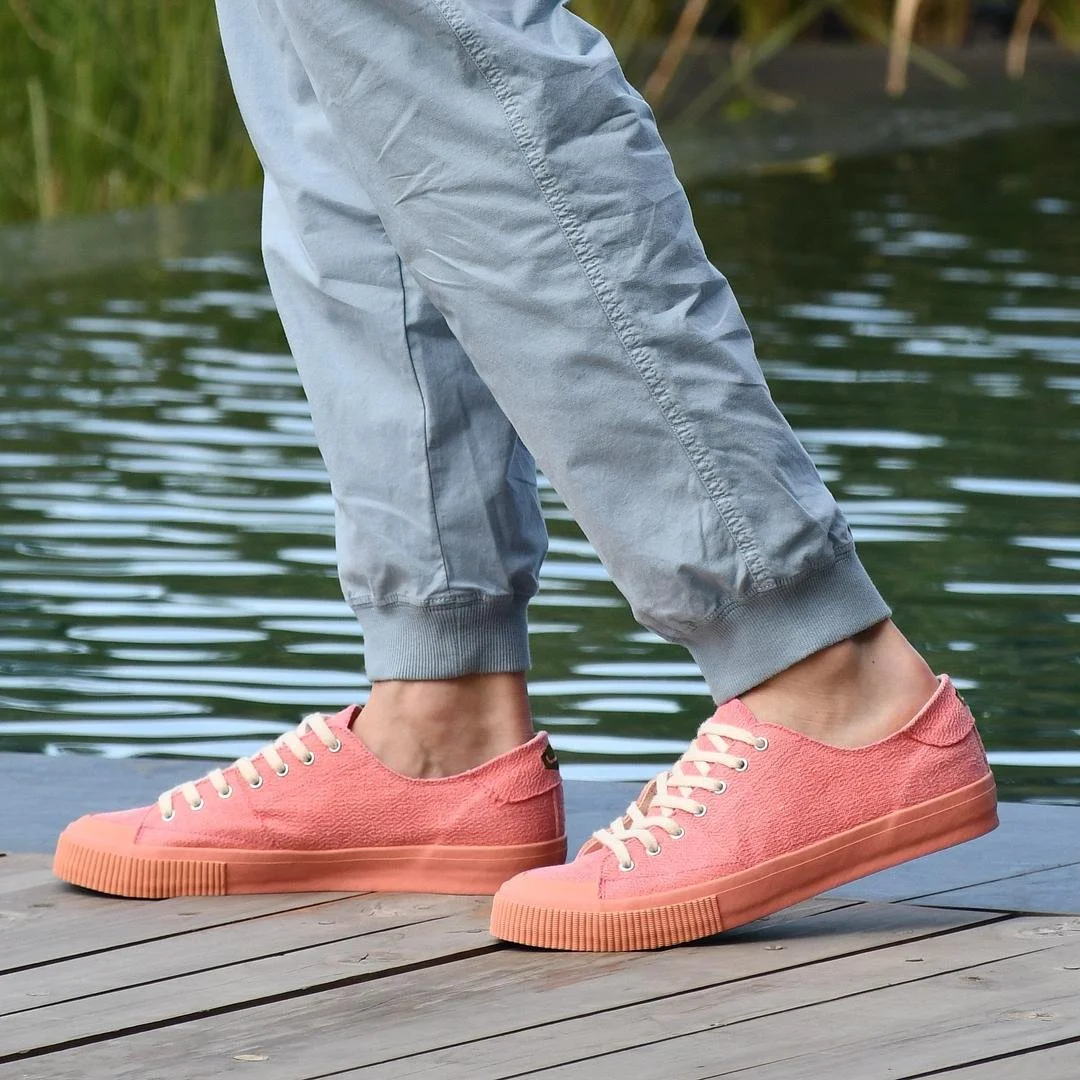
The sneakers are made using fibers extracted from discarded pineapple leaves, an agricultural byproduct that is often left behind after harvesting. Through textile technologies developed with the Department of Science and Technology–Philippine Textile Research Institute (DOST-PTRI), the leaves are processed into fibers and transformed into yarn, which is blended with locally sourced Philippine cotton.
The resulting material is handwoven by artisans in Negros using traditional handloom techniques before being made into the sneakers’ uppers.
The use of pineapple fibers extends beyond the exterior. The insoles are made from pineapple-based nonwoven textile, while the outsoles combine natural rubber with leftover fibers from the spinning process. Even the shoelaces use pineapple-cotton yarn, allowing more parts of the footwear to incorporate locally sourced materials.
By rethinking how each component is made, LAKAT applies a circular approach to footwear production, finding ways to reuse materials that would otherwise go to waste.


A design built around Filipino communities
Beyond its sustainable materials, LAKAT's story is also rooted in the people behind its production.
According to DOST-PTRI, the initiative supports more than 70 individuals across its local value chain, including over 50 farmers, three spinners, nine handloom weavers, and 10 shoemakers.
The process connects pineapple-growing communities in Don Salvador Benedicto, Negros Occidental, with textile production in Negros and footwear assembly in San Mateo, Rizal. It brings together agricultural resources, scientific research, traditional weaving, and local manufacturing to create opportunities for Filipino producers.
For Creative Definitions, the recognition is therefore not only about the finished product but also about bringing the stories of the farmers, spinners, handweavers, and shoemakers behind every pair to a global audience.
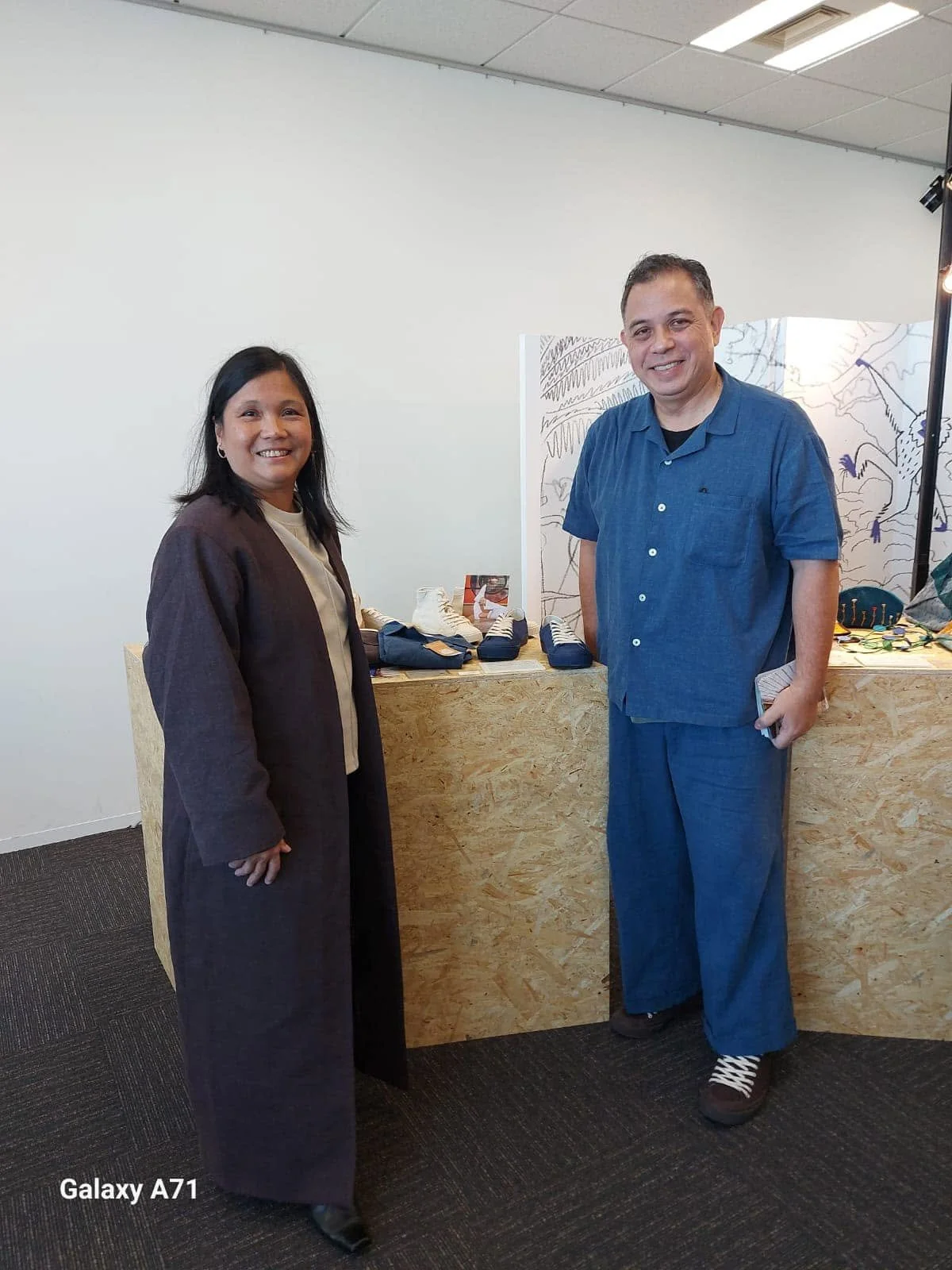
Creative Definitions and LAKAT Sustainable Sneakers founders Johanna “Banj” Claparols (left) and Michael “Mike” Claparols (right) | Photo Courtesy: LAKAT
From a local enterprise to a social enterprise
Creative Definitions was established in 2008 by Banj and Mike Claparols, with a mission to bring world-class Negrense products to the local market while creating more opportunities for local producers.
In 2017, the company shifted its focus toward sustainability and livelihood development in the countryside, partnering with weaving communities across Negros Island. These collaborations eventually became an important part of its social enterprise model, with an emphasis on building long-term opportunities for artisans and producers.
LAKAT Sustainable Sneakers officially launched in 2021, bringing together the company's work in local craftsmanship and its collaboration with DOST-PTRI.
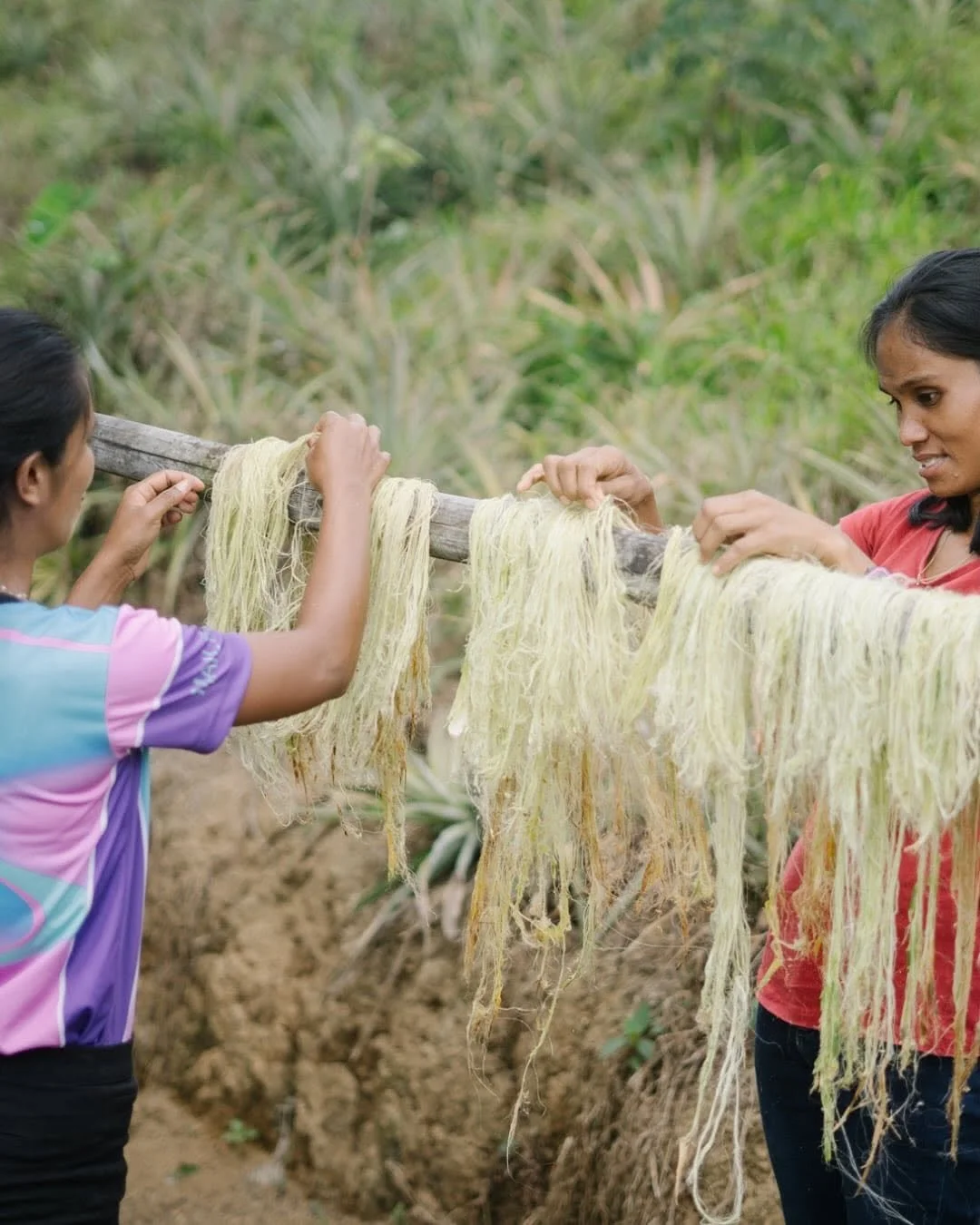
Photo Courtesy: Facebook/LAKAT
The enterprise also credits support from Nest's Artisan Accelerator Program as an important part of its development. Through the program, Creative Definitions received funding that enabled its participation in Tokyo International Gift Show (TIGS) 2025, where it introduced LAKAT and its work to an international design and market audience.
In a statement, Banj shared that the program provided more than financial assistance, offering workshops, learning sessions, networks, and opportunities that helped the company strengthen its brand and think more strategically about bringing Philippine materials and craftsmanship to wider markets.
The team also learned about and applied for Nest's 2026 Handmade to Market Small Grant Program, which could provide another opportunity to further develop its work.

Photo Courtesy: Facebook/Creative Definitions
Filipino design takes the international stage
The Seoul Design Award 2026 recognition marked another milestone for the Filipino enterprise. LAKAT was among only 10 projects selected for the Main Seoul Design Award from more than 1,200 entries representing 91 countries.
The award was presented by Seoul Mayor Oh Se-hoon on October 14, 2026, during Seoul Design Week. LAKAT representatives Johanna T. Claparols and Michael Claparols received the distinction on behalf of Creative Definitions.
The Philippine Embassy in Seoul also recognized the achievement, with support from representatives of the Philippine Embassy and the Philippine Trade and Investment Center–Seoul, including Anthony Rafael Gil Z. Cornista and Trade Specialist Chinny Jin Cruz.
Creative Definitions also expressed gratitude to the international jury of design experts for engaging with the project's vision, particularly Ms. Mi-ryeong Woo of Lush Korea for her feedback on sustainable design and the team's presentation.
For the enterprise, sharing how discarded pineapple leaves can be transformed into valuable materials, traditional weaving can find new relevance, and design can create livelihoods for local communities is already a meaningful achievement. Having that story recognized internationally makes the milestone even more significant.
More than an award for a pair of sneakers, LAKAT's recognition highlights what Filipino design can achieve when science, sustainability, craftsmanship, and community livelihoods work together.
With every pair, the project brings local resources and skills into contemporary footwear while creating value for the people behind its production.
From the farms and weaving communities of Negros to the international design stage, LAKAT is showing that Filipino innovation can make an impact—one step at a time.