From cozy dining corners to statement lighting and thoughtfully designed cabinetry, the modern kitchen is becoming a space for gathering, entertaining, and everyday living.
The kitchen has always been an essential part of the home, but its role is evolving. Beyond preparing meals and keeping ingredients organized, it is increasingly becoming a place where families catch up, friends gather, children do their homework, and everyday conversations naturally unfold.
So, is the kitchen becoming the new living room?
According to ELLE Decor's October 17, 2026 feature, Is the Kitchen the New Living Room?, the answer may be reflected in how homeowners and designers are rethinking the space. Rather than treating the kitchen as a purely functional area, the publication highlights how thoughtful furniture, expressive cabinetry, decorative lighting, distinctive fixtures, and carefully selected finishing touches can transform it into a more inviting destination.
The shift reflects a bigger idea in contemporary interior design: a home should not only look beautiful but also support the way people actually live.
And perhaps no other space illustrates this better than the kitchen.
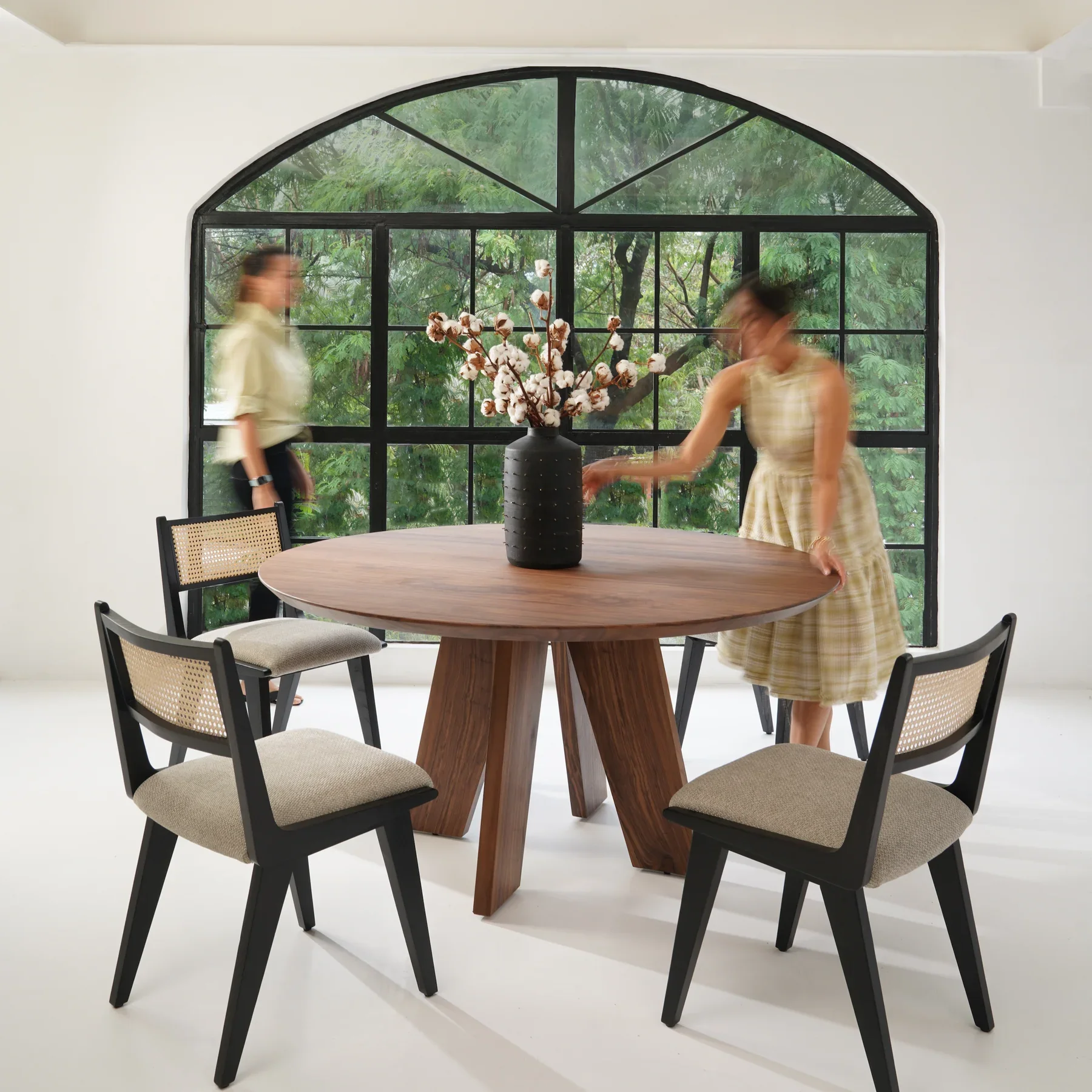
Pacific Round Dining Table | Photo Courtesy: Philux
1. Make Room for Gathering, Not Just Cooking
One of the biggest changes in kitchen design is the growing emphasis on shared spaces. While kitchen islands remain popular for food preparation and casual dining, a thoughtfully selected dining table can offer a more relaxed and welcoming alternative.
As highlighted by ELLE Decor, round, square, and rectangular tables paired with distinctive chairs can turn an ordinary kitchen into a natural gathering spot. These arrangements also provide flexibility for family meals, afternoon coffee, conversations, and even small celebrations.
For homes with limited space, a compact breakfast nook or built-in bench can achieve a similar effect without taking up too much room.
The idea is simple: make the kitchen somewhere people actually want to stay, even after the food has been served.
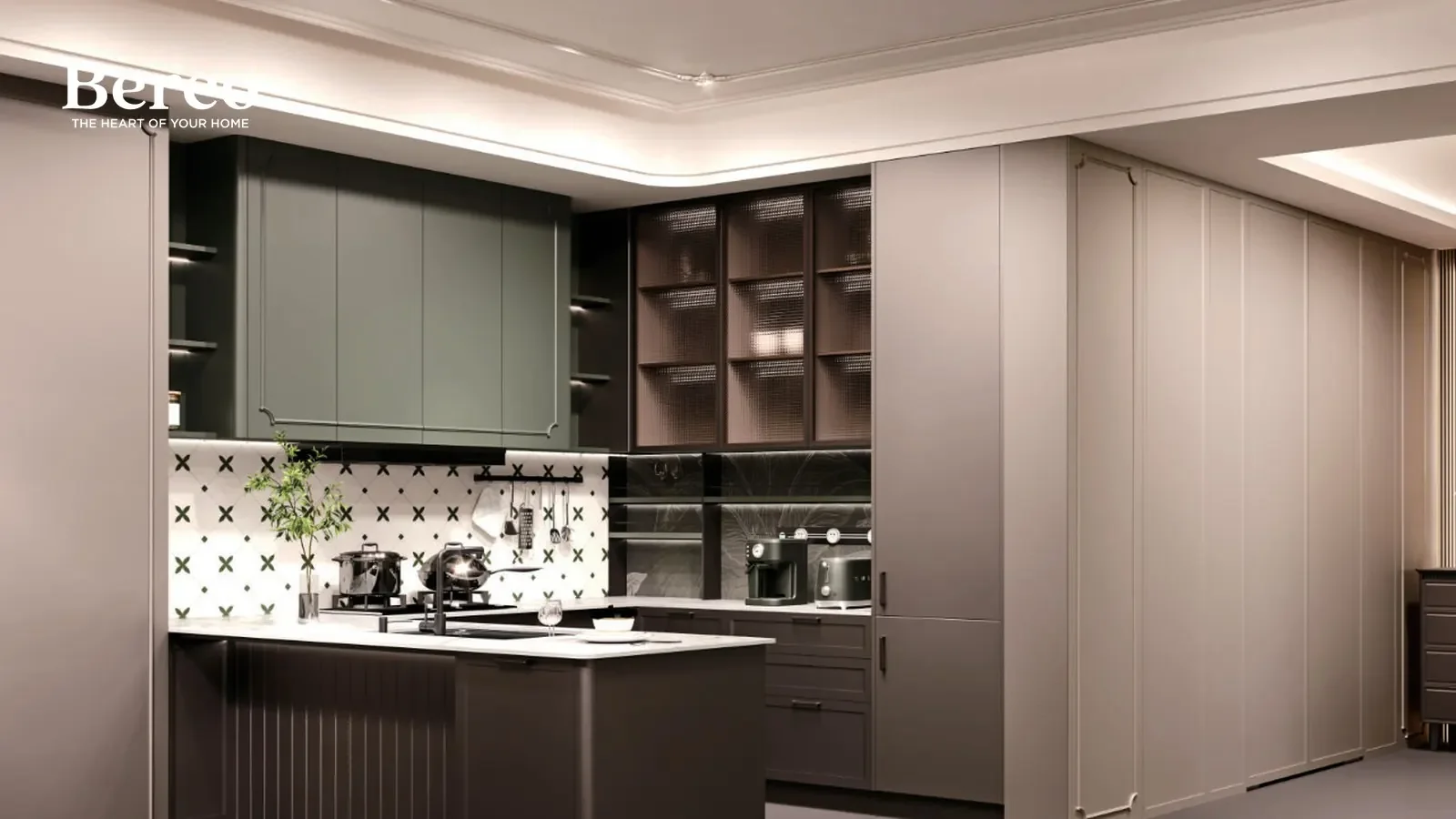
Sage Green Kitchen with Patterned Tile Backsplash | Photo Courtesy: Berco
2. Give Cabinets and Backsplashes More Personality
Functional storage does not have to come at the expense of good design.
Cabinetry, countertops, and backsplashes are becoming opportunities to introduce personality through colors, textures, patterns, and unexpected material combinations. Instead of relying entirely on plain finishes, homeowners can experiment with warm wood tones, textured cabinet doors, patterned tiles, and contrasting surfaces.
The National Kitchen & Bath Association's (NKBA) 2026 Kitchen Trends Report supports this direction. Its survey found that 86% of respondents identified green as a popular kitchen color, while 78% favored blue. Natural materials, particularly wood-grain finishes, are also gaining attention.
These details can make the kitchen feel more connected to the rest of the home's interior rather than looking like a separate, purely utilitarian space.
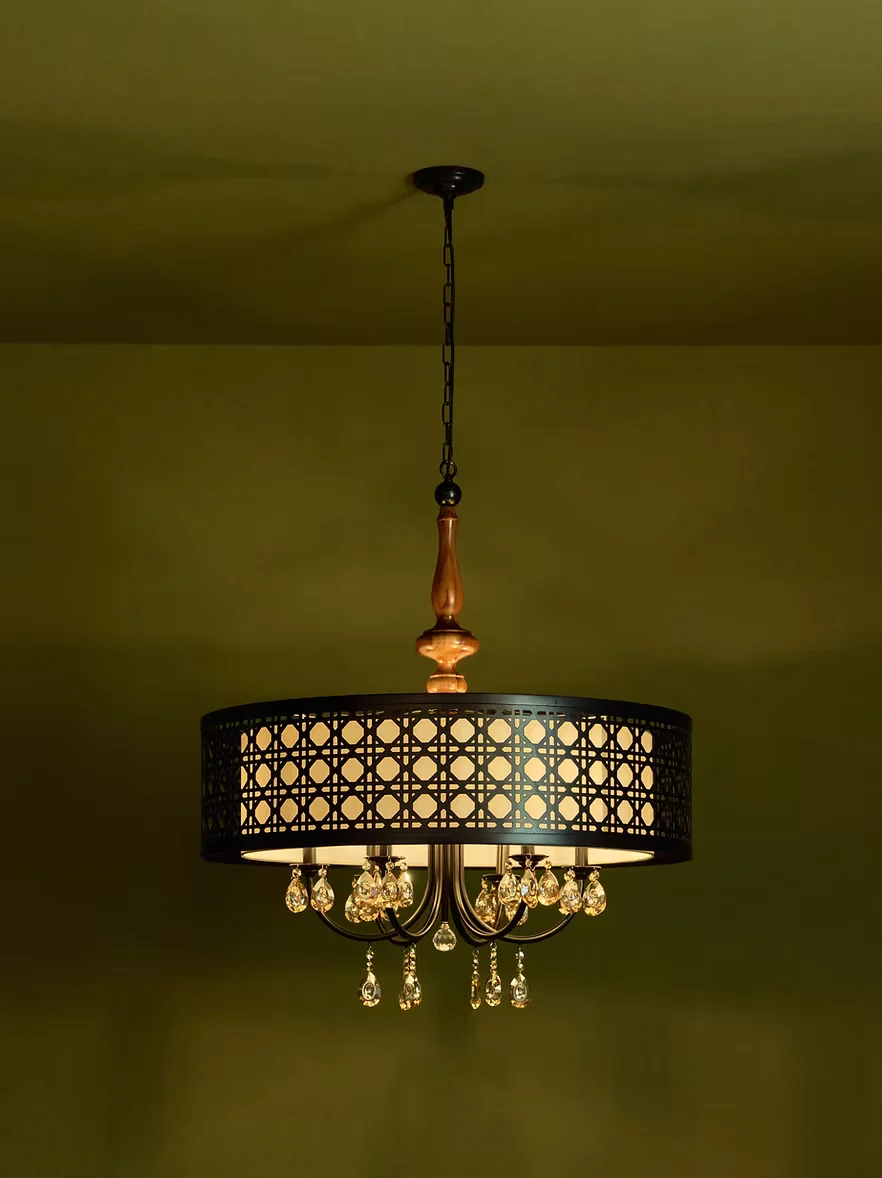
Manila Chandelier | Photo Courtesy: Venzon
3. Let Lighting Set the Mood
Lighting can completely change how a kitchen looks and feels.
Beyond bright overhead fixtures designed for food preparation, decorative pendants, sculptural chandeliers, and layered lighting can introduce warmth and character. Under-cabinet lights can also provide practical illumination while creating a softer atmosphere in the evening.
In its 2026 report, NKBA found that 87% of industry respondents considered statement lighting an increasingly popular kitchen feature. Natural lighting, quality lighting, and task lighting were also among the most important design considerations.
This reinforces an important design principle: a kitchen should be bright enough for everyday tasks but comfortable enough for people to linger.
Rather than treating lighting as an afterthought, homeowners can use it as an essential part of the overall design.
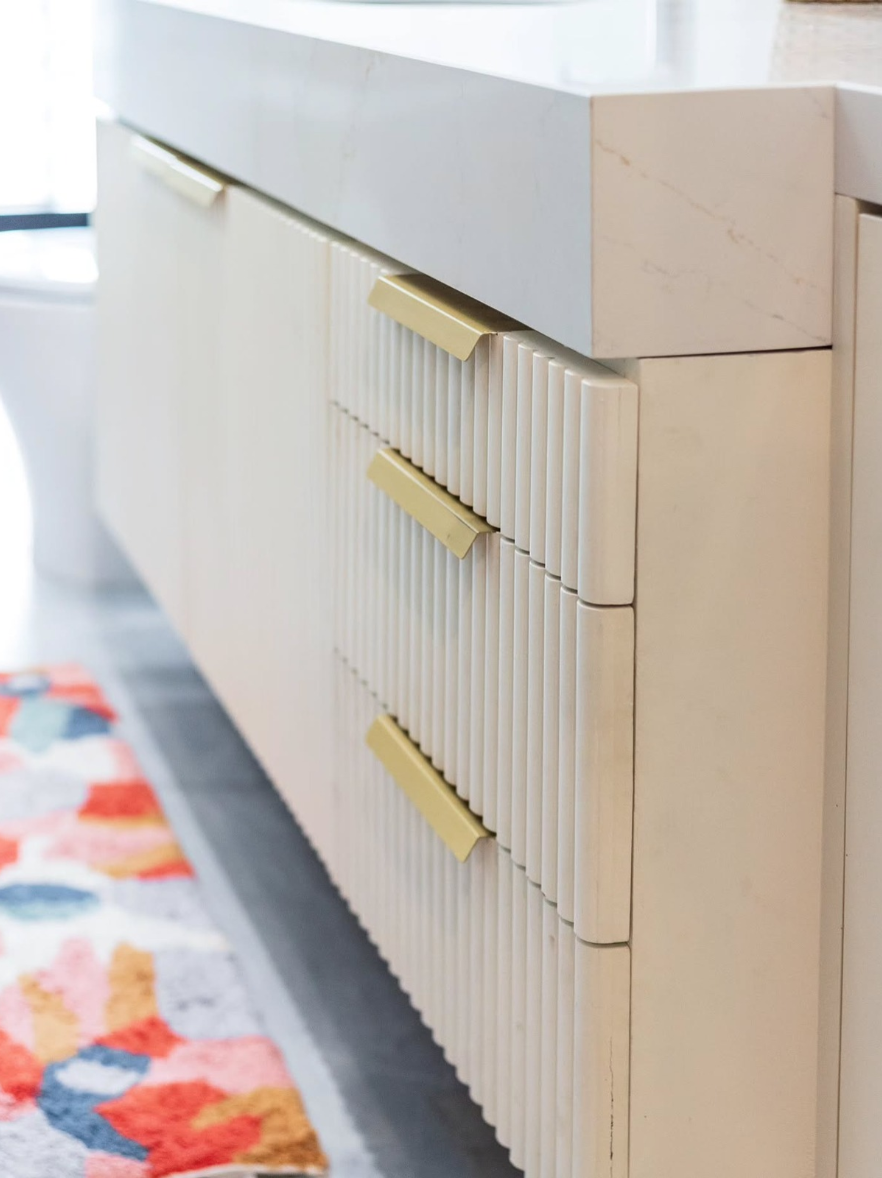
Cabinet Pull by The Customary | Photo Courtesy of K & A Interior Design
4. Choose Fixtures That Combine Style and Function
Small details can make a significant difference in the overall appearance of a kitchen.
Faucets, cabinet handles, drawer pulls, and sink fixtures may seem like minor elements, but they can bring an entire design together. ELLE Decor highlights how distinctive finishes, sculptural faucets, and unconventional hardware can add character without compromising functionality.
For instance, brushed brass, matte black, stainless steel, and warm metallic finishes can complement different interior styles. Even replacing standard cabinet handles with more distinctive designs can refresh an existing kitchen without requiring a complete renovation.
The key is to choose fixtures that are visually cohesive while remaining practical for everyday use.
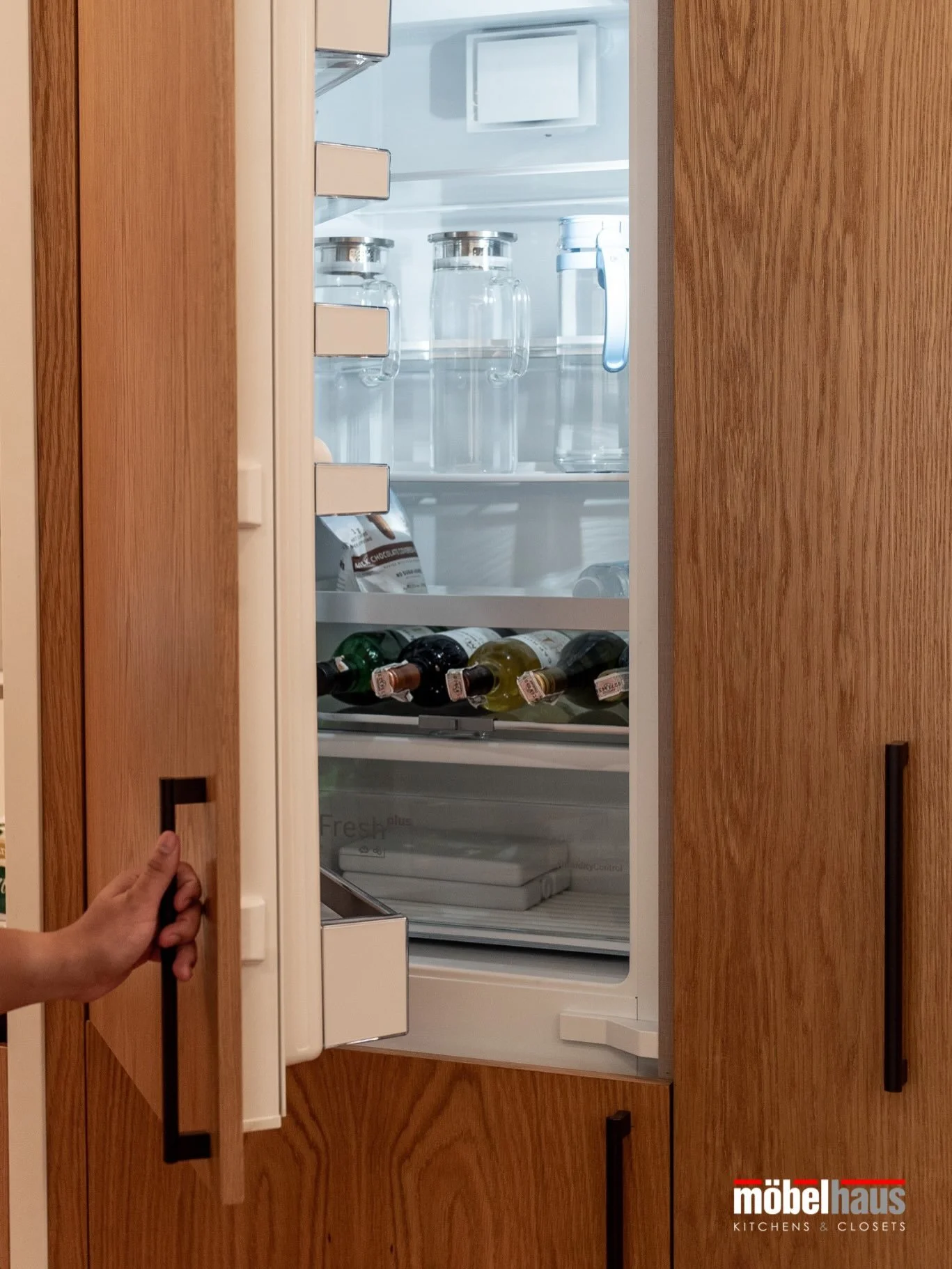
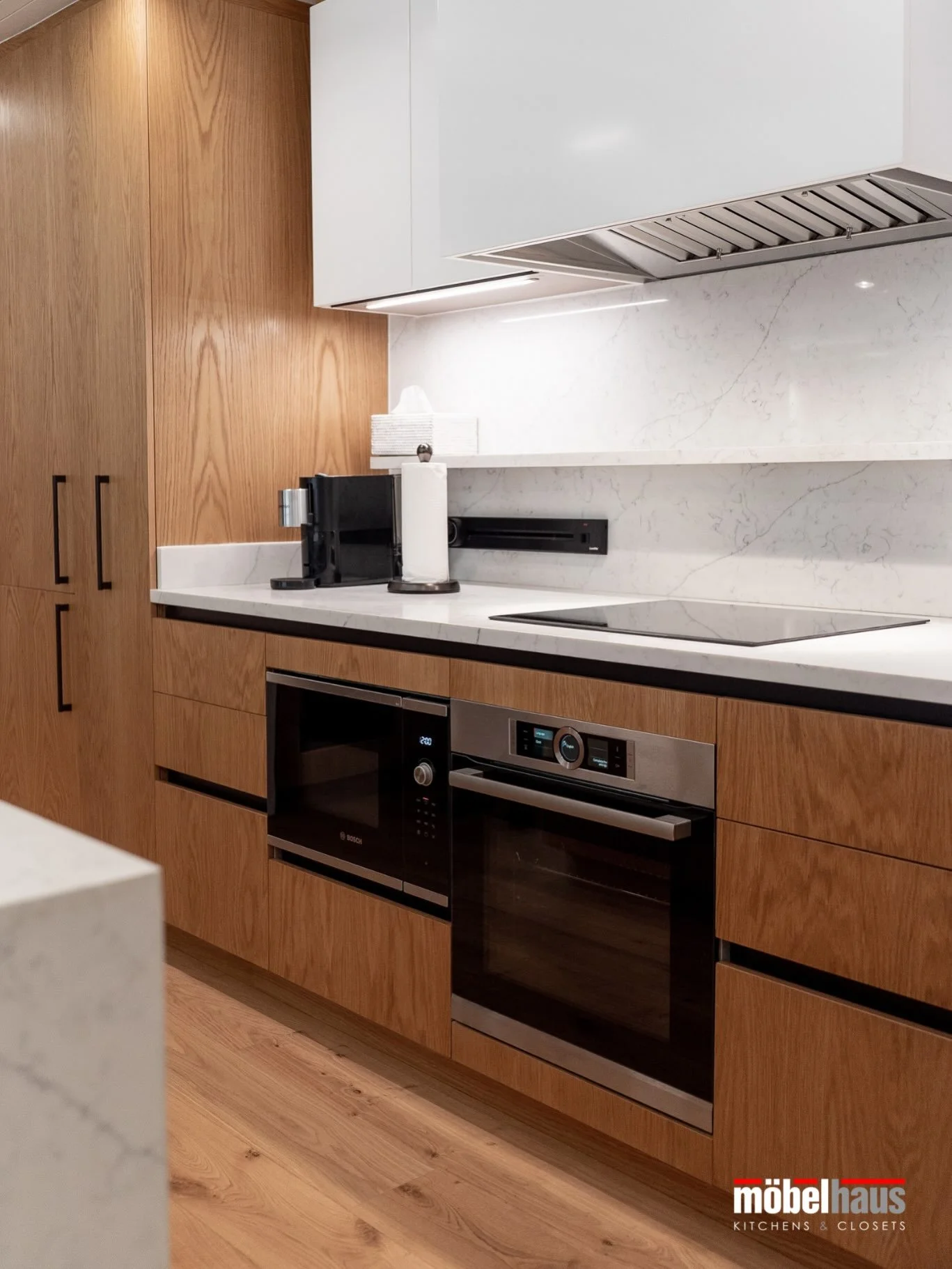
Photo Courtesy: Möbelhaus Philippines
5. Make Appliances Part of the Design
Modern kitchens are also finding ways to incorporate technology without allowing appliances to dominate the space.
Built-in refrigerators, concealed dishwashers, induction cooktops, and streamlined cooking ranges help create a more cohesive appearance. These features allow homeowners to maintain a clean visual environment while improving convenience.
However, a well-designed kitchen does not necessarily need the most expensive appliances or the latest technology.
What matters is choosing equipment that suits the household's cooking habits, available space, and daily routines. A practical layout with reliable appliances can be just as valuable as a high-end kitchen filled with upgrades.
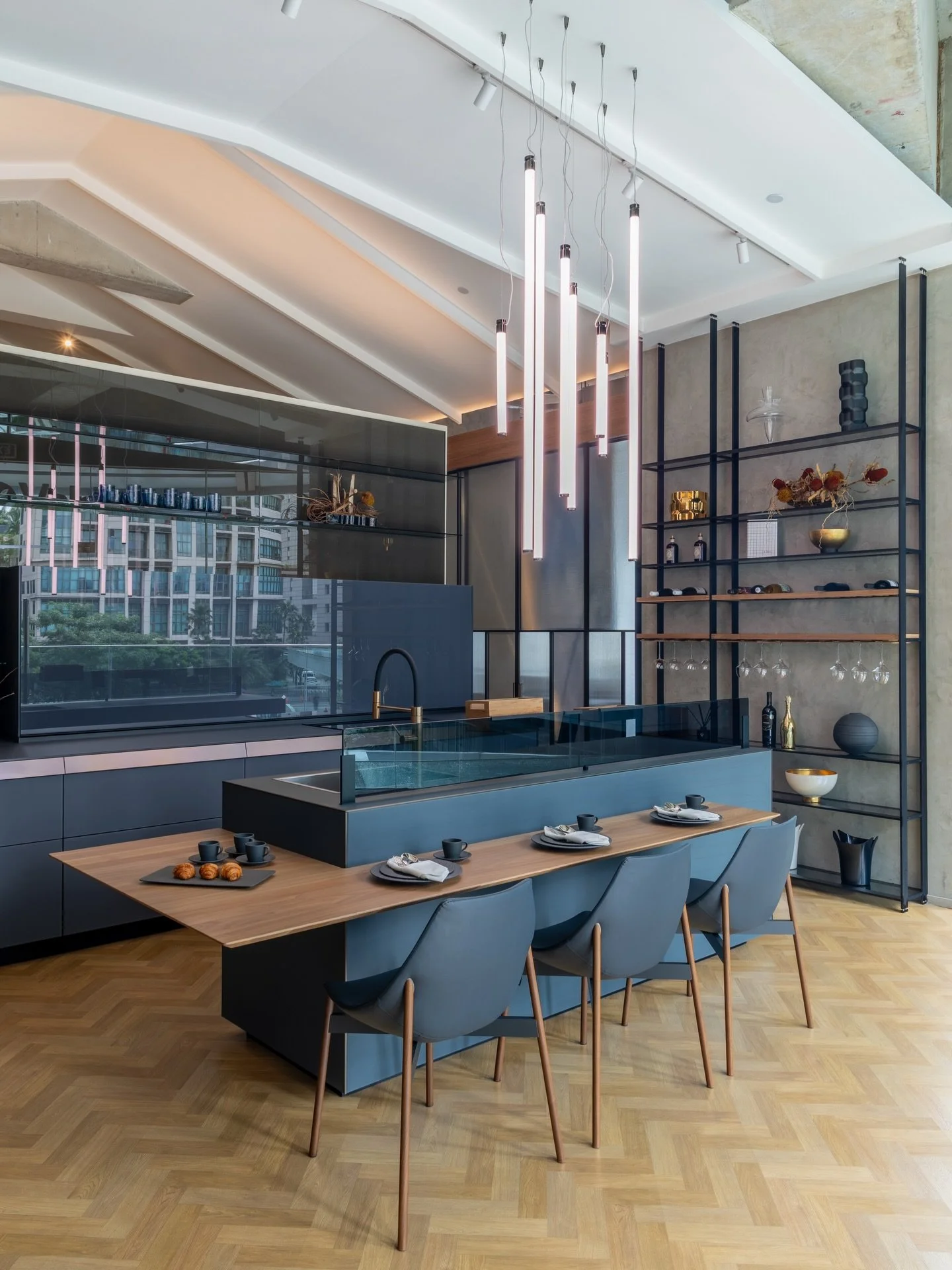
Valcucine Manila | Photo Courtesy: Instagram/EUDO
6. Finish With Details That Make It Feel Like Home
Perhaps the most interesting part of this design shift is how kitchens are beginning to incorporate elements traditionally associated with living rooms.
Artwork, decorative ceramics, indoor plants, comfortable seating, rugs, books, and carefully curated accessories can make the space feel more personal.
These additions soften the kitchen's functional appearance and create a more lived-in atmosphere. A coffee station, a favorite collection of mugs, or a small shelf displaying treasured pieces can also give the space a distinct identity.
As ELLE Decor illustrates through its featured interiors, the goal is not simply to make a kitchen look expensive or luxurious. It is to make it feel welcoming, expressive, and connected to the people who use it.
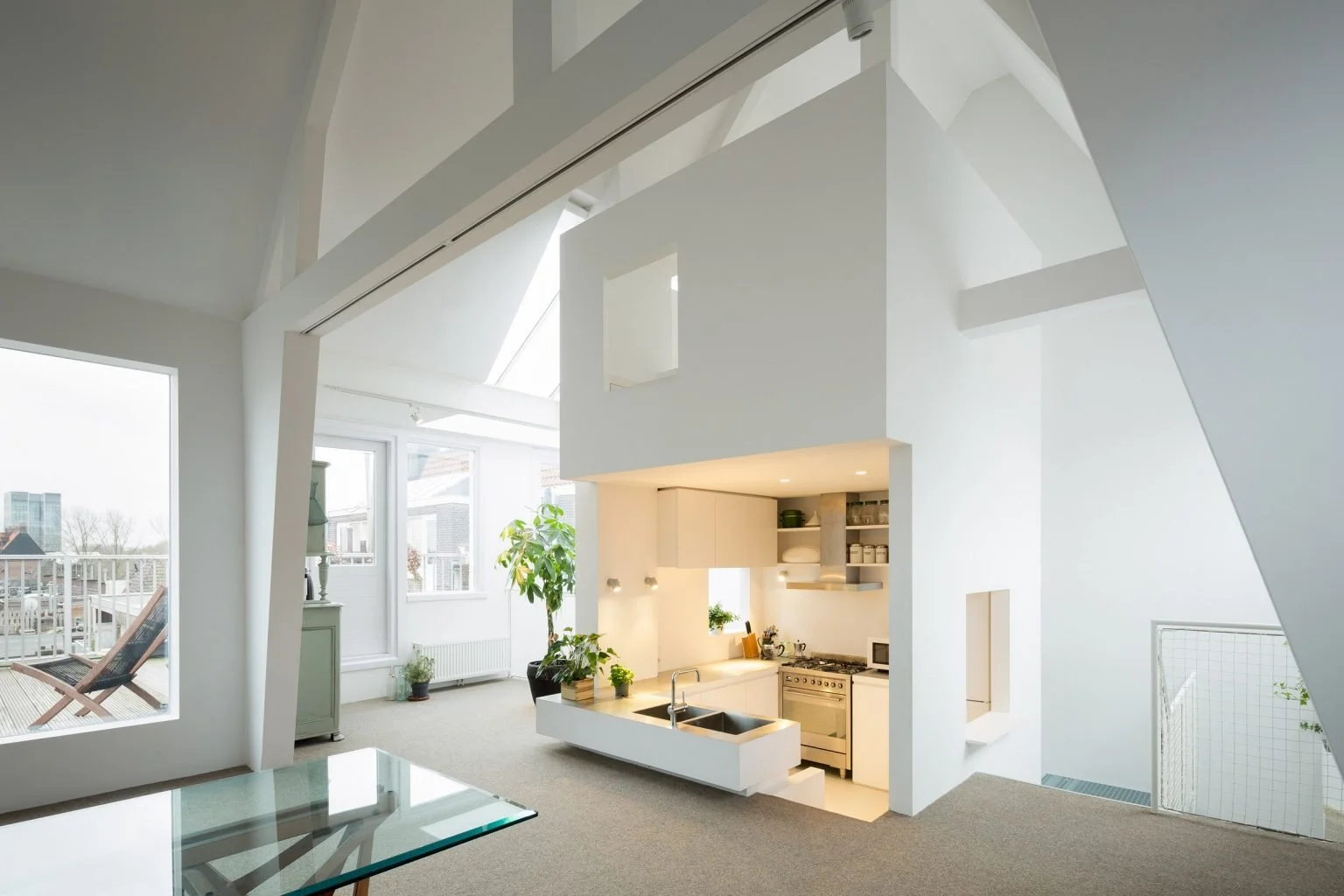
Apartment in Amsterdam, Netherlands, by MAMM Design | Photo via De Zeen
7. Rethink the Layout Around the Way You Live
While open-concept kitchens have long been associated with modern homes, the next direction in kitchen design may be more intentional about how different spaces connect.
In its October 2026 release of the 2027 Kitchen Trends Report, NKBA identified a growing preference for defined zones, partial walls, and semi-enclosed layouts. According to the report, 81% of designers consider intentional zoning a lasting design direction.
This suggests that homeowners are not necessarily looking for completely open spaces. Instead, they want layouts that encourage interaction while maintaining enough separation for different activities.
For example, a kitchen can remain connected to the dining area while using a partial partition to conceal food preparation. Dedicated storage and preparation areas can also help keep countertops organized and reduce visual clutter.
It is a reminder that good design is not always about removing walls or making rooms bigger. Sometimes, it is about making better use of the space available.
What This Means for Filipino Homes
Here in the Philippines, where kitchens often serve as everyday gathering spaces, this design approach feels particularly relevant.
In many Filipino households, the kitchen is where family members catch up over breakfast, prepare meals together, share food during celebrations, and entertain visiting relatives. It is not unusual for conversations to continue long after everyone has finished eating.
However, incorporating this concept into local homes requires more than following international design trends.
For condominium units and smaller houses, maximizing every square meter is essential. Compact dining tables, multifunctional counters, vertical cabinetry, and built-in storage can help create a welcoming kitchen without sacrificing valuable floor space.
The tropical climate also makes practical considerations especially important. Proper ventilation, durable and easy-to-clean surfaces, moisture-resistant materials, and sufficient task lighting should remain priorities when planning a renovation.
For larger homes, a kitchen that opens into the dining or living area can encourage interaction, while thoughtful zoning can help manage cooking activities, odors, and clutter.
Ultimately, the best kitchen is not necessarily the biggest or most expensive one. It is the one designed around the needs, routines, and personalities of the people living in it.
So, Is the Kitchen Really the New Living Room?
Perhaps the kitchen is not replacing the living room altogether. Instead, the two spaces are becoming more connected as homeowners rethink how their homes should function.
The living room remains a place to relax, while the kitchen continues to serve its essential purpose. But with thoughtful furniture choices, comfortable seating, personalized details, and better lighting, the kitchen can become another destination for connection.
As interior design continues to evolve, the focus is shifting beyond appearances toward creating spaces that accommodate real experiences.
After all, some of the best moments at home do not happen on the couch. They happen around the dining table, over a freshly brewed cup of coffee, or while preparing a favorite family meal.