ITM Check-In: Are you saying "yes" because you want to, or out of fear of missing out?
You’ve had a long week, you’re already looking forward to a quiet night, and then a friend sends an invitation.
You hesitate.
You’re tired. You probably need the rest. But then you think about everyone else being there without you.
So, you say yes.
Not because you really want to go—but because you’re afraid of what you might miss.
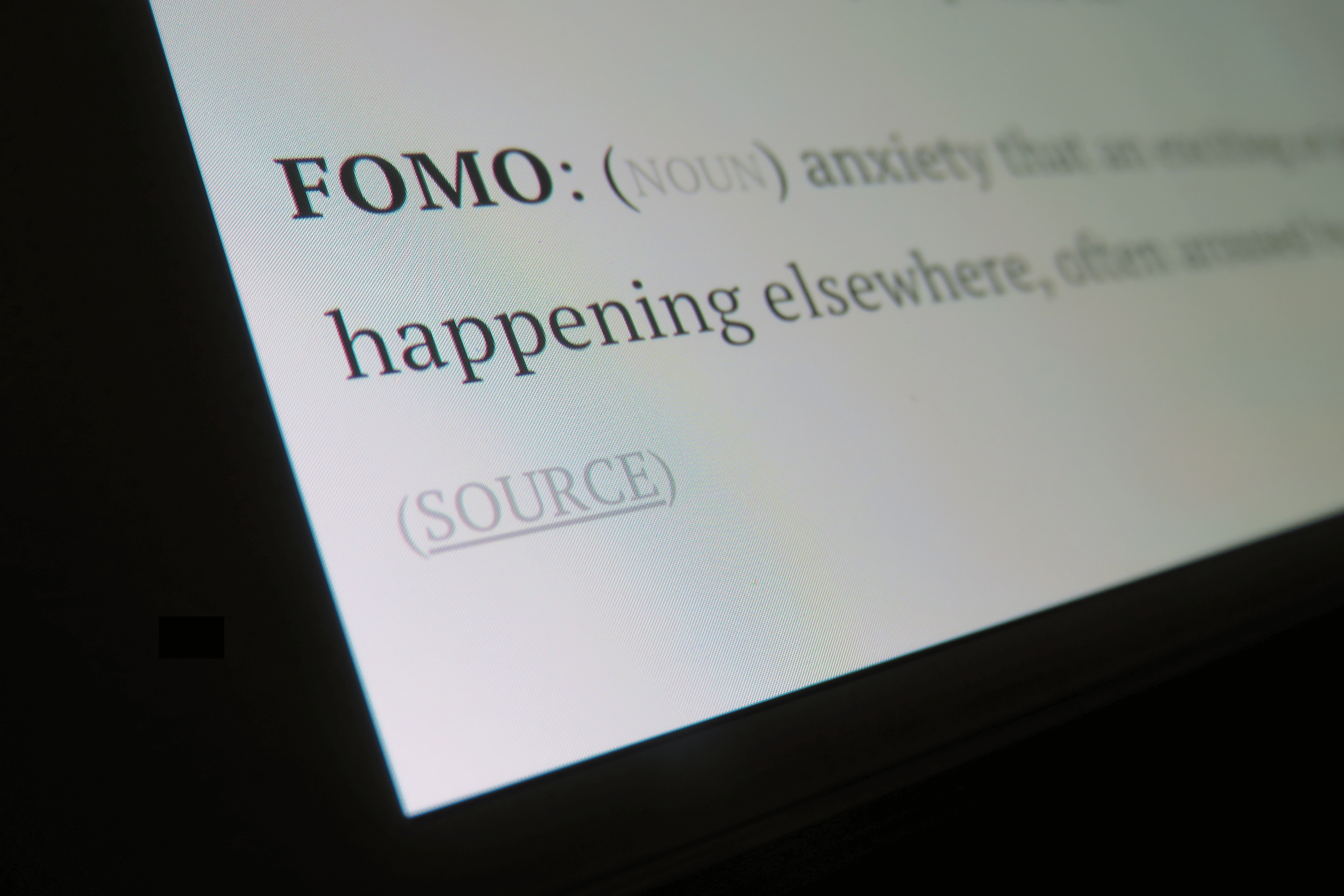
That’s where FOMO, or the “fear of missing out,” can quietly influence our decisions.
FOMO is more than simply wanting to be part of the fun. Research describes it as a concern that others are having rewarding experiences without you, along with worries that being absent could affect your social connections or sense of belonging.
And sometimes, that fear can make it difficult to distinguish between what we genuinely want and what we feel we should be doing.
When “Yes” Doesn’t Really Mean Yes
FOMO can show up in small, everyday decisions.
You say yes to another night out even though you’re exhausted. You join a group chat because you’re worried about being left out. You spend money on an event because everyone else is going. You accept another commitment because you’re afraid that turning it down means missing an opportunity.
None of these choices are necessarily bad. The important question is why you’re making them.
Are you saying yes because the experience excites you?
Or are you saying yes because the thought of everyone else having fun without you makes you uncomfortable?
Sometimes, the difference can be easy to miss.
FOMO Isn’t Always About the Event
Interestingly, research suggests that FOMO may have less to do with the actual activity and more to do with our relationships.
A 2025 report from the American Psychological Association highlighted research involving more than 5,000 participants, which found that FOMO can be intensified by worries about missing opportunities to connect with people and concerns about the strength of those relationships. Participants reported greater FOMO when they imagined missing events involving people close to them—even when the event itself wasn’t necessarily enjoyable.
That means the thought behind FOMO may not always be:
“I want to go.”
It can sometimes be:
“What if I’m not there?”
“What if they have fun without me?”
“What if I miss something important?”
“What if I’m left out?”

Social Media Can Make It Louder
Social media can make this feeling even harder to ignore.
A quick scroll can show you a friend’s dinner, a concert you didn’t attend, a weekend trip, a spontaneous night out, or a group gathering—all within minutes.
The American Psychological Association notes that social media isn’t inherently harmful or beneficial; its effects depend on how people use it, what they encounter online, and their individual circumstances.
Still, constantly seeing what others are doing can make it harder to feel content with your own choices.
You may have been perfectly happy staying home—until you saw everyone else’s Stories.
Suddenly, your quiet night feels like something you’re missing out on.
Before You Say Yes, Pause
The next time you’re about to agree to something, give yourself a moment before answering.
Ask yourself:
Do I actually want to do this?
Would I still say yes if I hadn’t seen what everyone else was doing?
Am I excited about the experience, or afraid of being left out?
Do I have the time, energy, and resources for this right now?
If I say no, what am I actually missing—and is that okay?
There’s nothing wrong with saying yes to plans because you genuinely want to be there. But there’s also nothing wrong with saying no when you need rest, have other priorities, or simply don’t feel like going.
You’re Allowed to Say No
We often think of FOMO as the fear of missing an experience.
But sometimes, what we really fear is being left behind.
The truth is, you cannot be everywhere, attend everything, respond to everyone, or experience every opportunity. Saying no to one thing doesn’t mean you’re missing out on life.
It simply means you’re choosing something else.
Maybe it’s rest.
Maybe it’s time with your family.
Maybe it’s catching up on work.
Maybe it’s protecting your budget.
Or maybe it’s simply spending a night doing absolutely nothing—and enjoying it.
The next time you feel pressured to say yes, pause and ask yourself:
“Am I saying yes because I want to—or because I’m afraid of missing out?”
Sometimes, the most honest answer can help you make a choice that actually feels right for you.