National Geographic has unveiled its Pictures of the Year 2026, featuring 25 extraordinary photographs that capture remarkable moments, wildlife encounters, cultural traditions, scientific discoveries, and environmental stories from around the world.
Selected from more than one million images taken by the publication's photographers over the past year, the collection highlights the beauty, complexity, and challenges of life across different parts of the globe.
From a rare photograph of eels reproducing in the wild to the effects of desertification in Nigeria, each image offers a closer look at stories that might otherwise go unseen.
Here are some of the featured photographs from this year's collection:
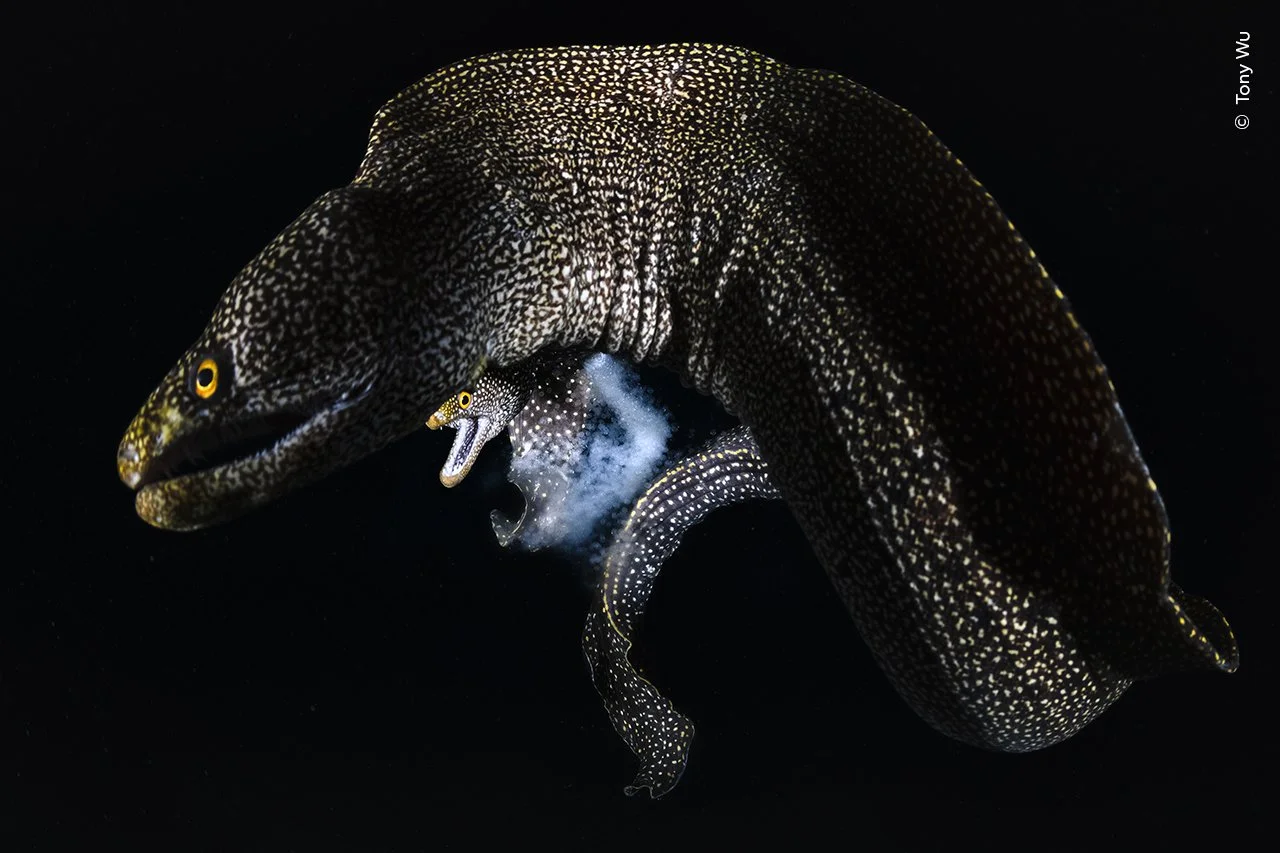
1. Caught in the Act
Kagoshima, Kyushu, Japan
Photograph by Tony Wu
For the first time on record, a photographer has captured eels reproducing in the wild. After spending hundreds of hours underwater in Kagoshima since 2023, Tony Wu and his team documented the reproductive behavior of four eel species, including moray eels releasing gametes.
The brief spawning process lasts less than two seconds, with the eels emerging from their coral refuges before quickly returning to safety. Because the activity happens at night and often in murky waters, Wu used faint red lighting to avoid disturbing the animals while capturing the rare moment.
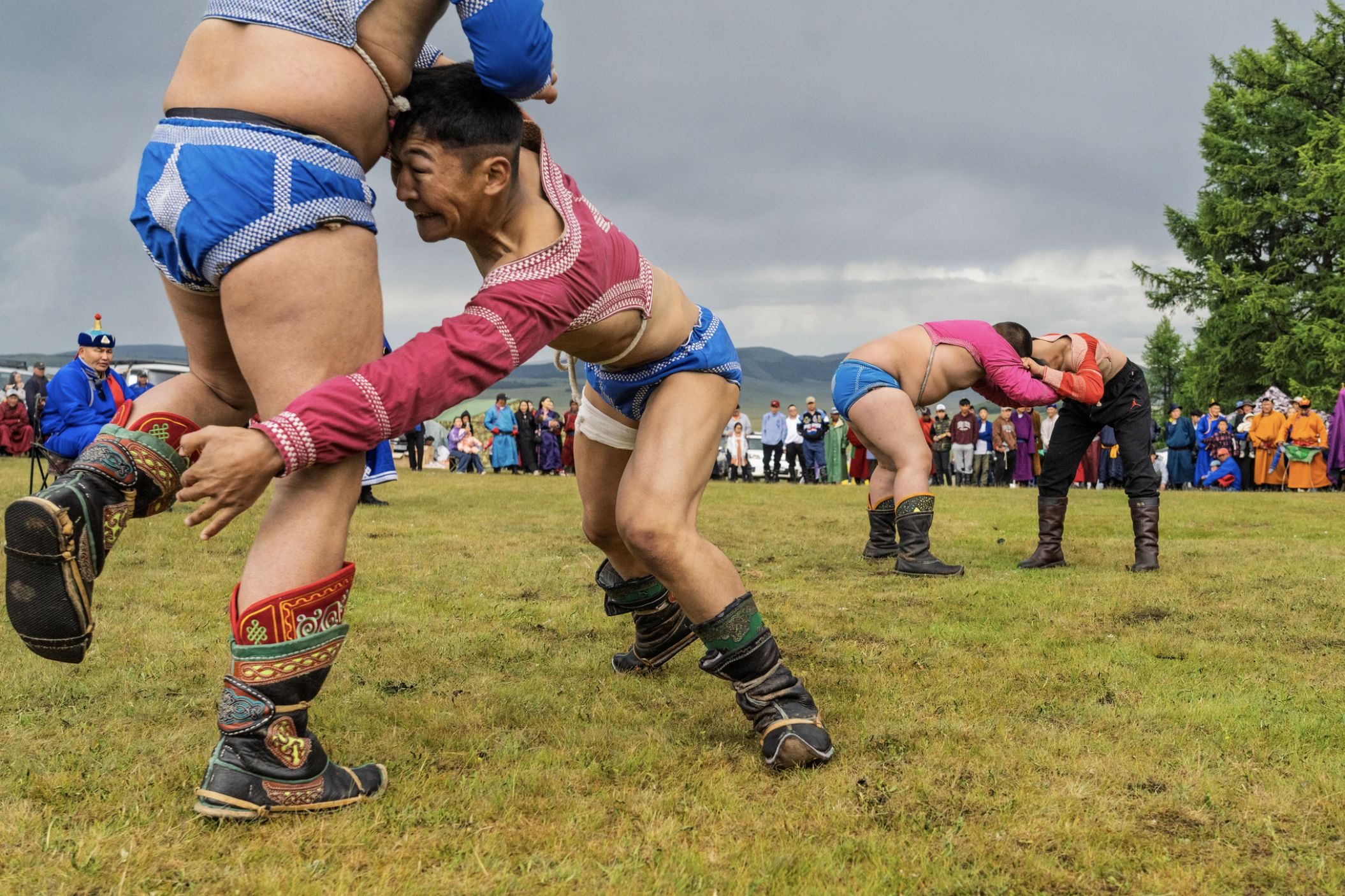
2. Coming to Grips
Darkhad Valley, Khovsgol, Mongolia
Photograph by Justin Jin
Two wrestlers face off during Mongolia's Naadam festival, where the traditional sport of bokh remains a major highlight. Originally developed to keep men battle-ready during the Mongol Empire, the wrestling style tests an athlete's balance, strength, grip, leverage, and timing.
Matches can last for hours, with competitors waiting for even the slightest shift in their opponent's weight to gain the upper hand.
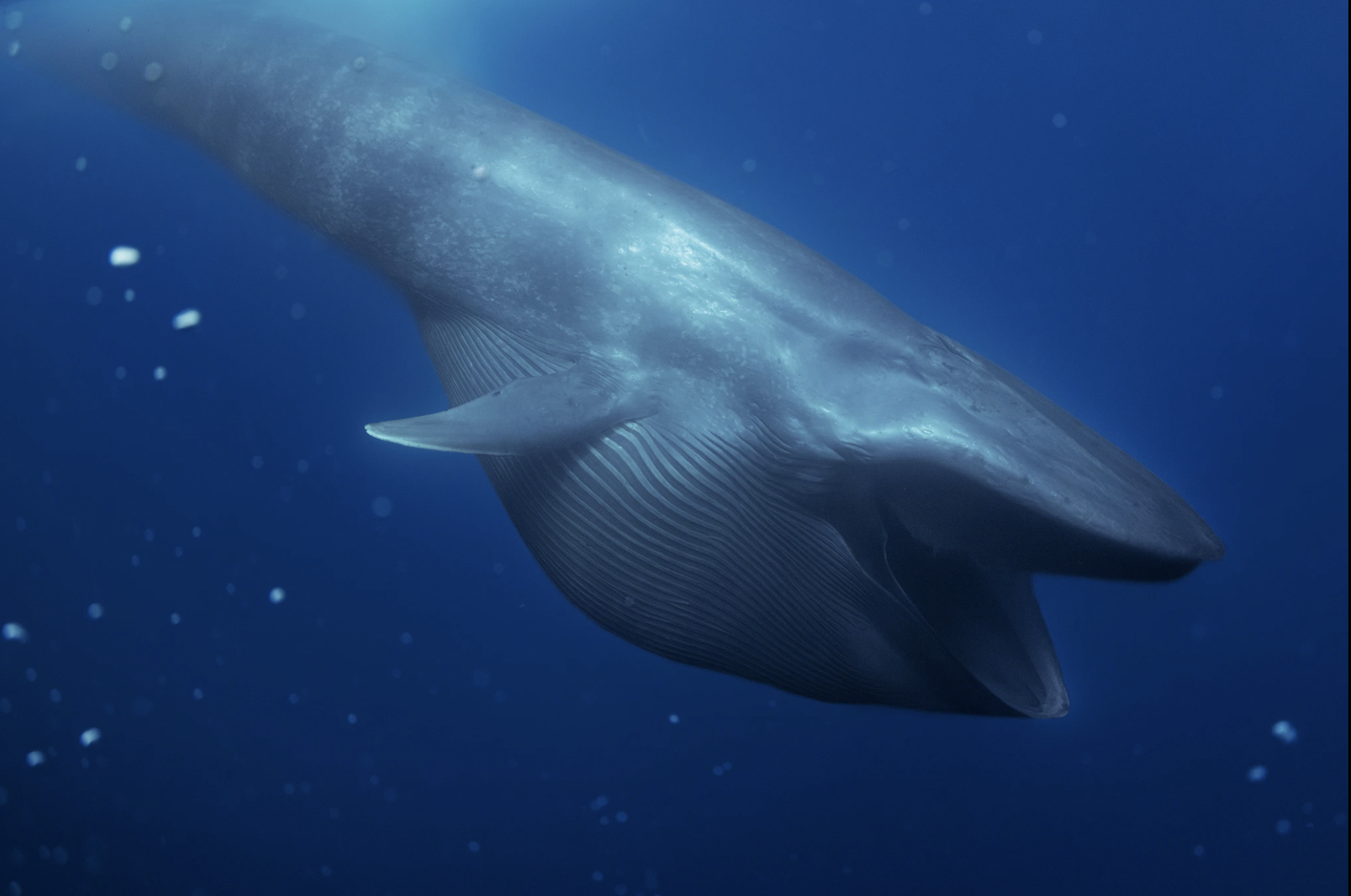
3. Open Wide
South Taranaki Bight, New Zealand
Photograph by Ralph Pace
A pygmy whale lunges through the water with its mouth wide open to feed on abundant krill in New Zealand's warming waters.
Although the species is typically migratory, around 700 pygmy whales have settled in the area. Photographer Ralph Pace joined researchers studying how climate change affects krill populations and, consequently, the whales' feeding and breeding habits.
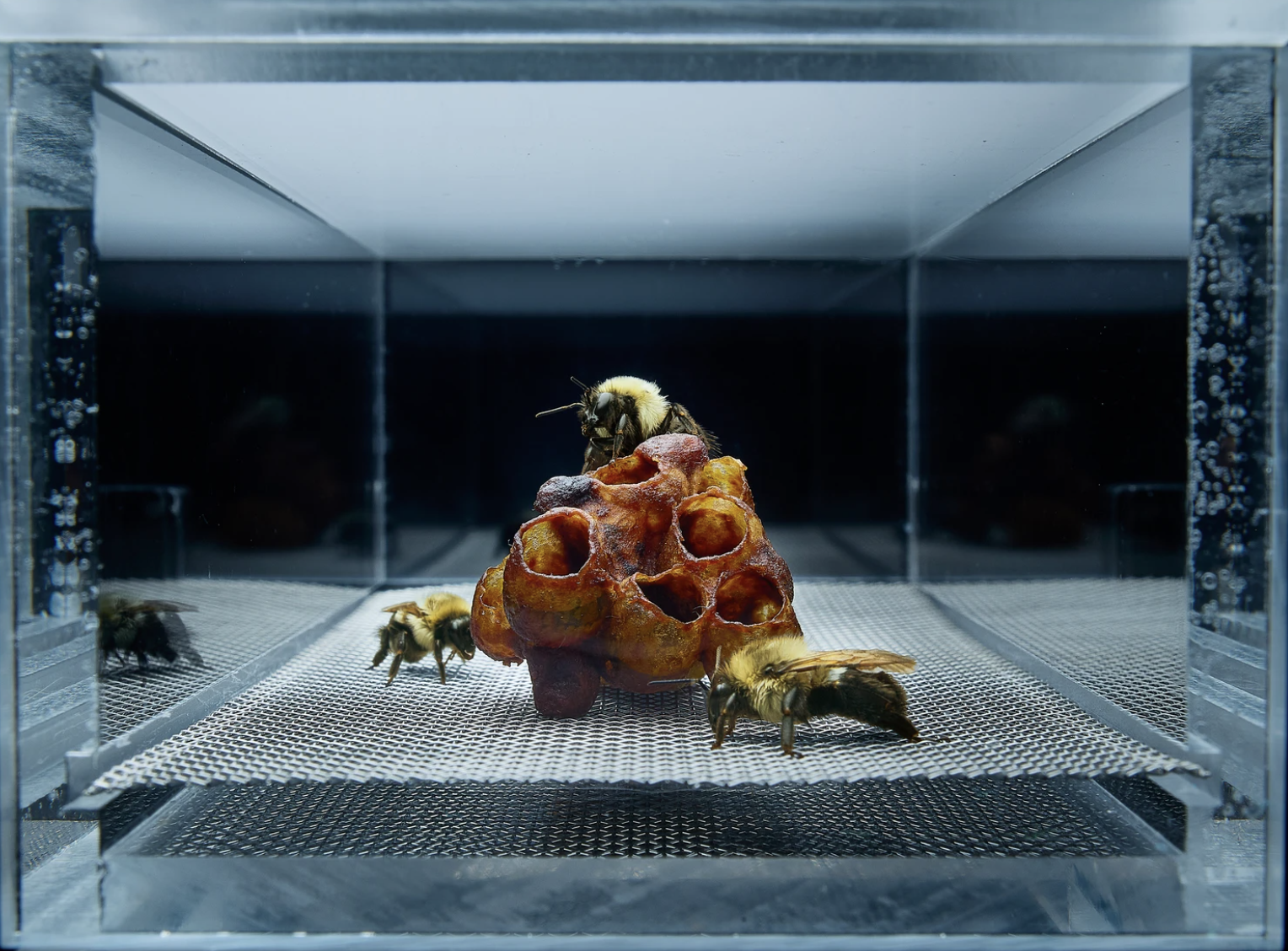
4. Busy Bees
Berkeley, California, USA
Photograph by Anand Varma
Three common eastern bumblebees crawl around their colony's irregular beeswax cells, which serve as storage spaces for honey and developing young.
Photographer Anand Varma documented the process alongside National Geographic Explorer Felicity Muth, who designed a specially constructed acrylic box to observe how bumblebee nests develop.
The photograph offers a closer look at the fascinating organization and activity within a bumblebee colony.
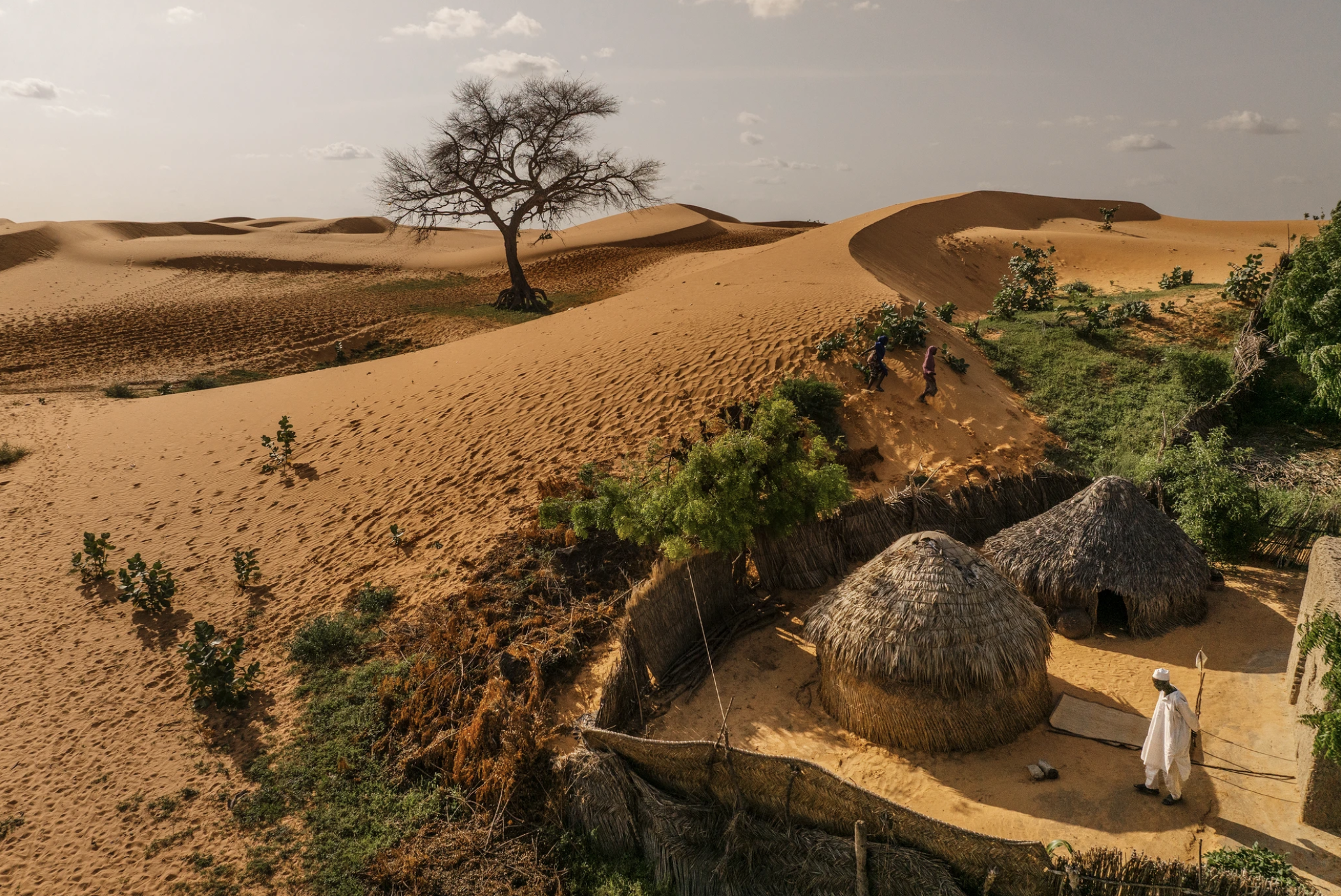
5. Encroaching Sands
Tulo-Tulo, Yobe, Nigeria
Photograph by John Stanmeyer
Massive dunes, reaching up to 15 feet high, threaten to engulf the home of Haruna Modu, who has already been forced to relocate four times as desertification advances across the Sahel.
The region, which stretches between the Sahara Desert and the humid savannas to the south, continues to face rising temperatures, drought, deforestation, and overgrazing. More than 80 percent of the Sahel's former cropland is now degraded, putting the food security of millions of people at risk.
Through this photograph, John Stanmeyer highlights the growing consequences of environmental degradation and the threat it poses to communities around the world.
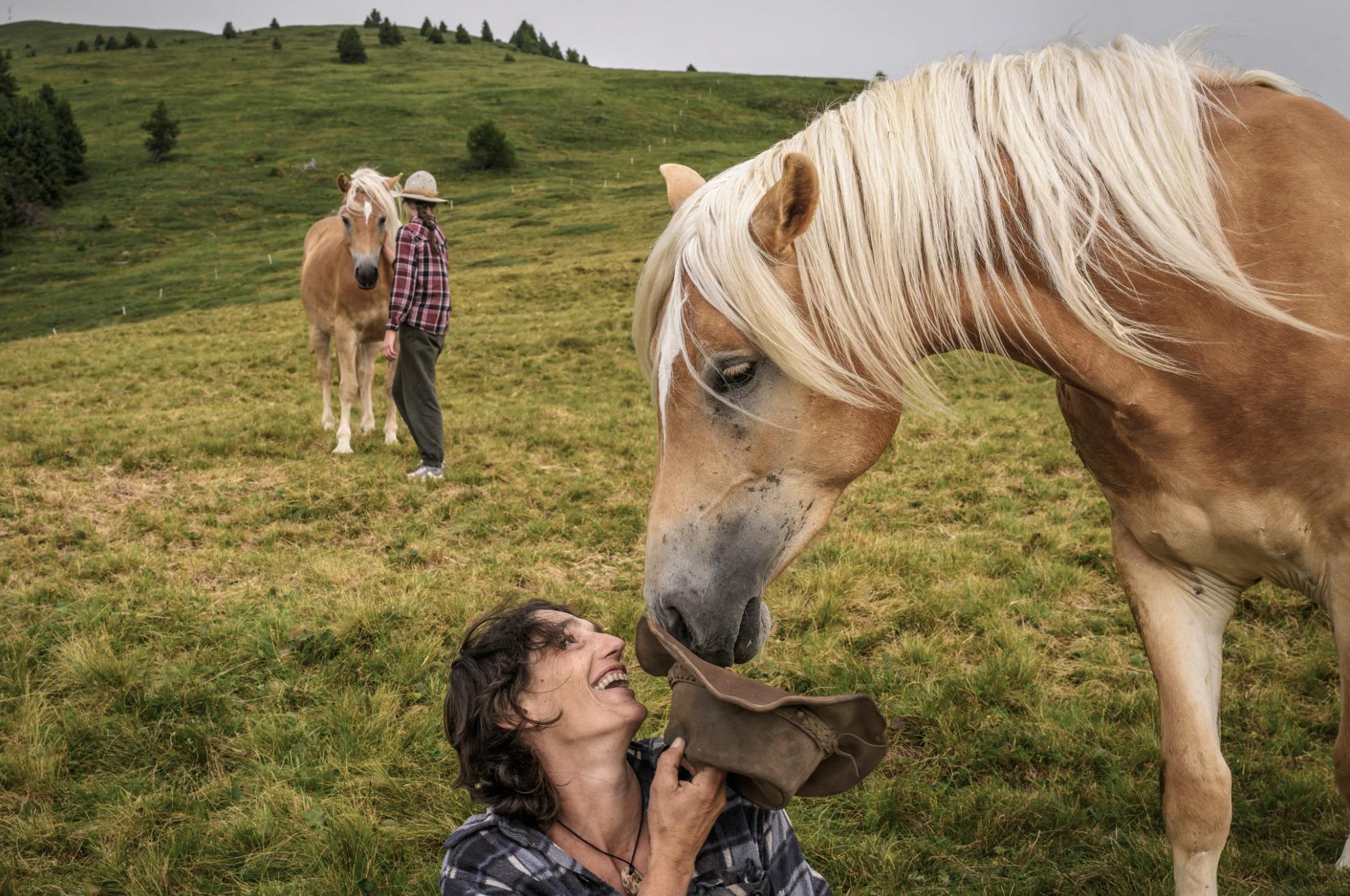
6. Unbridled Joy
Sella Giudicarie, Trento, Italy
Photograph by Jasper Doest
At a family farm in the Italian Alps, Lorena Masei playfully offers her hat to a horse, capturing a lighthearted moment between humans and animals.
Photographer Jasper Doest originally visited the mountains to document how local communities coexist with wildlife. However, he became particularly interested in the Masei family's relationship with the livestock they raise in a landscape also shared by bears and wolves.
The image highlights the connection between people, domestic animals, and the natural environment.
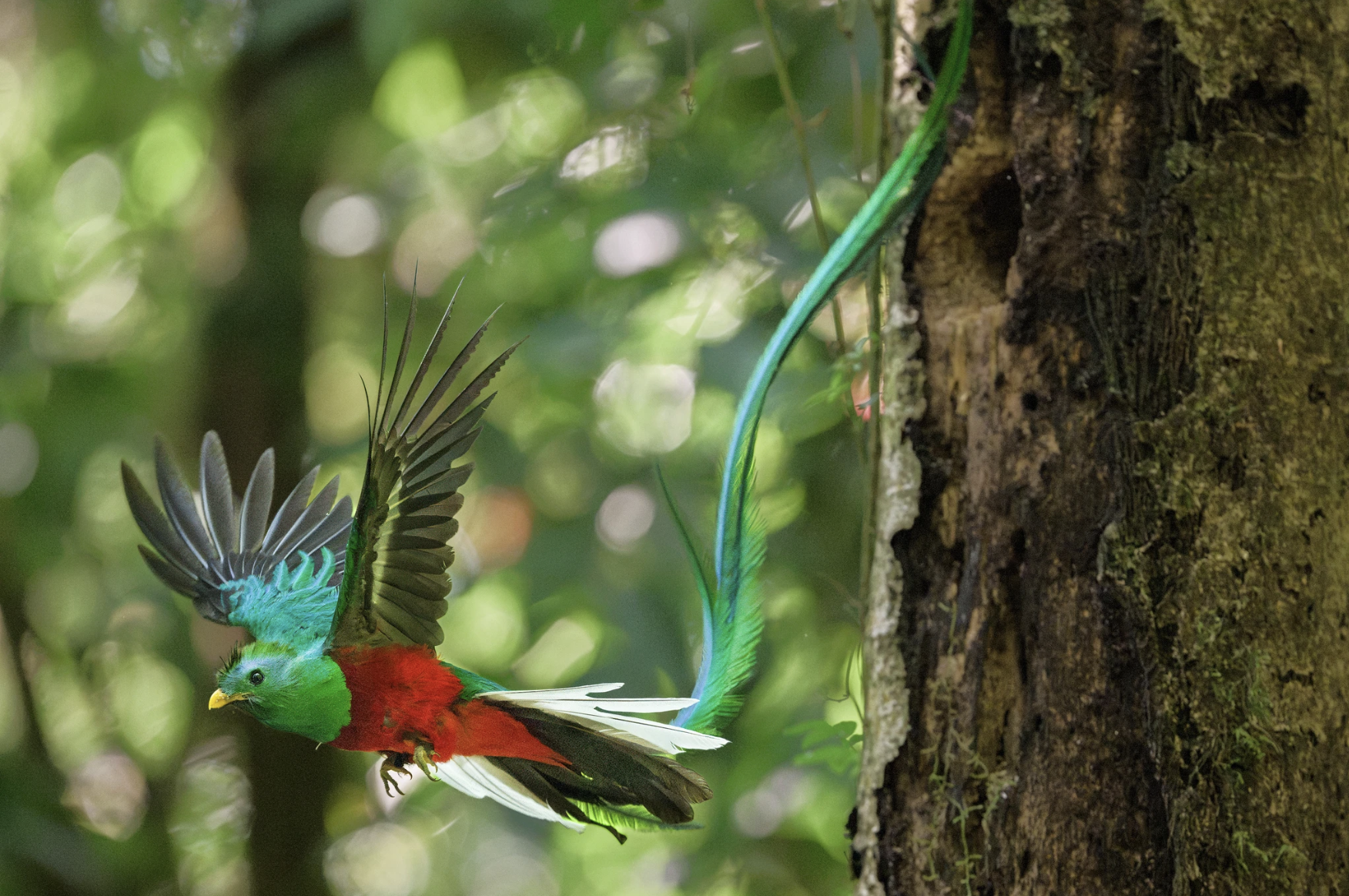
7. A Flourish in Flight
Chiapas, Mexico
Photograph by Jaime Rojo
A male resplendent quetzal takes flight in Mexico's El Triunfo Biosphere Reserve, displaying the striking emerald plumage that has made the bird a symbol of cultural and natural significance.
Revered by the Aztec and Maya civilizations, the bird's long, colorful tail is associated with Quetzalcoatl, the feathered serpent deity.
Photographer Jaime Rojo spent 10 days inside a photographic blind, waiting for the opportunity to capture the bird in flight.
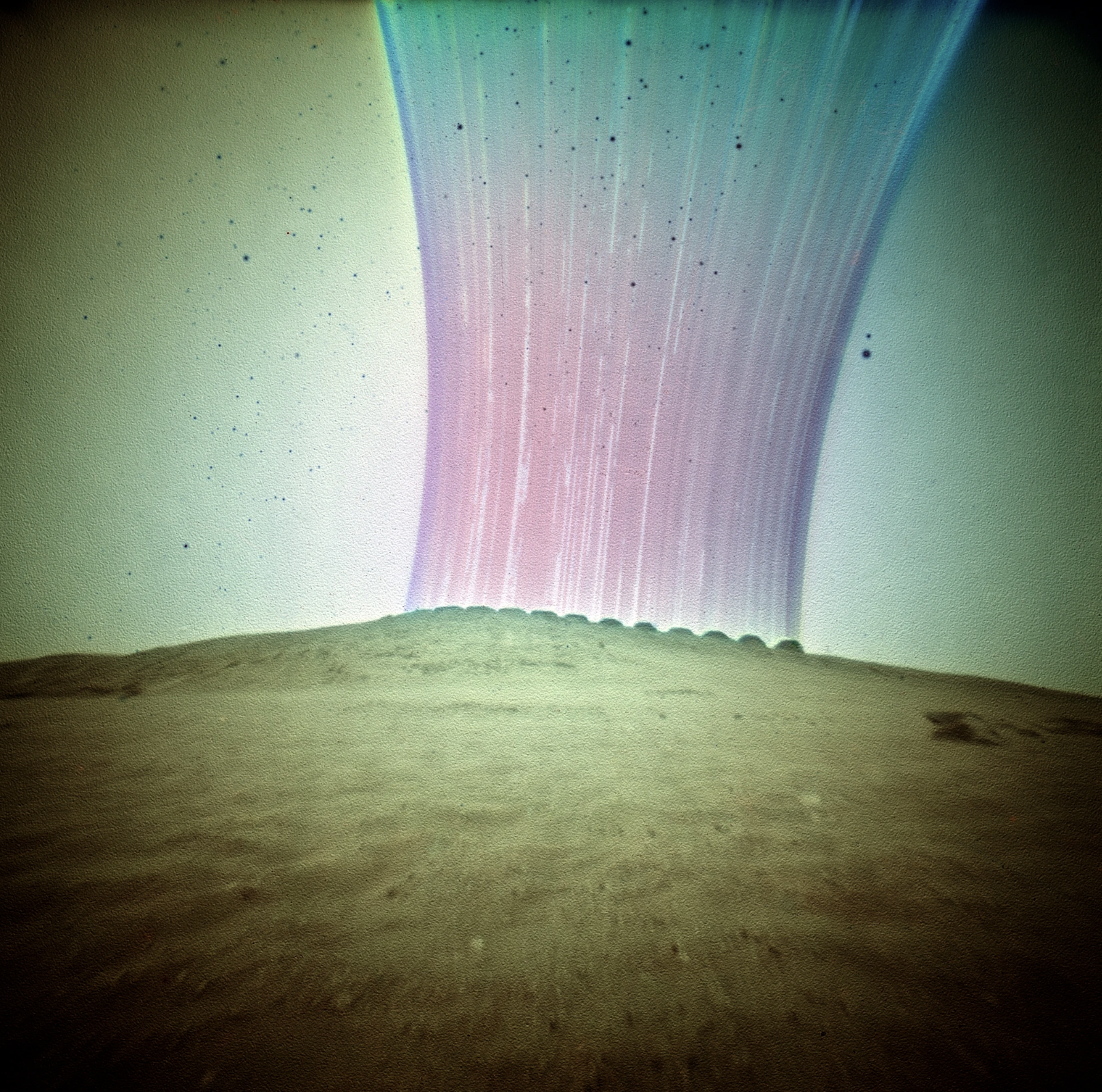
8. Catching Solar Rays
Ancash Department, Peru
Photograph by Diego López Calvín
An extraordinary, colorful column of light traces the sun's movement across the sky near Peru's Chankillo Archaeoastronomical Complex, considered the oldest known solar observatory in the Americas.
Built around the third century B.C. by a pre-Inca civilization, the site features 13 stone towers arranged along a ridge to mark the sun's position throughout the year.
Photographer Diego López Calvín spent six months documenting the sun's daily movement, from the summer to the winter solstice, using a pinhole camera and long-exposure techniques.
The resulting image, known as a solarigraph, reveals the sun's trajectory through bands of pink, blue, and purple light. Each narrow band represents a single day, creating a visual record of a celestial movement that cannot ordinarily be seen with the naked eye.
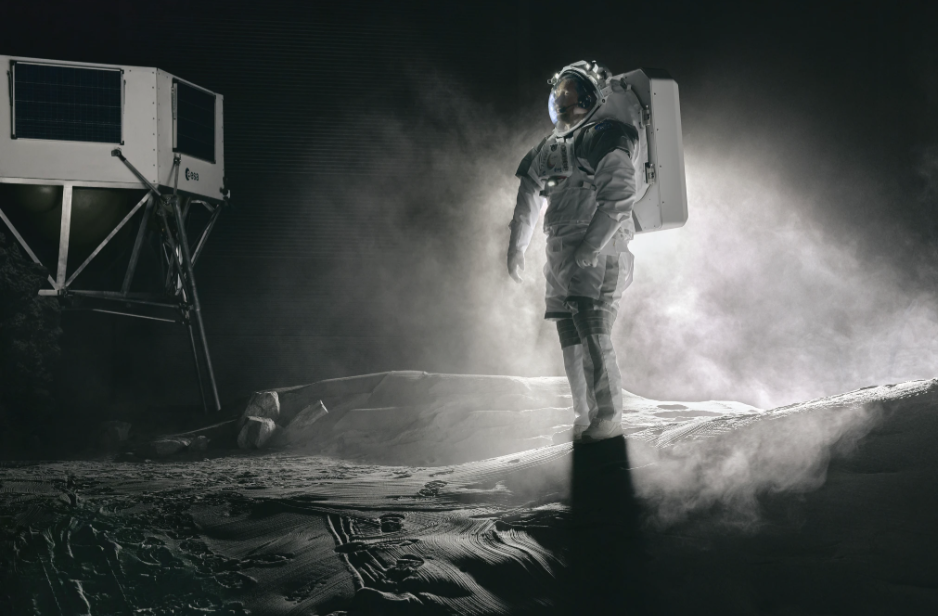
9. Shooting for the Moon
Cologne, Germany
Photograph by Paolo Verzone
Astronaut Thomas Pesquet trains for an upcoming International Space Station (ISS) mission inside LUNA, the European Astronaut Centre's lunar simulation facility.
Designed to recreate conditions on the Moon, the facility uses intense lighting to simulate the sun's unfiltered glare and pulverized basalt to replicate lunar dust. These simulated environments help astronauts prepare for the challenges of space exploration as government agencies and private companies intensify their plans for future lunar missions.
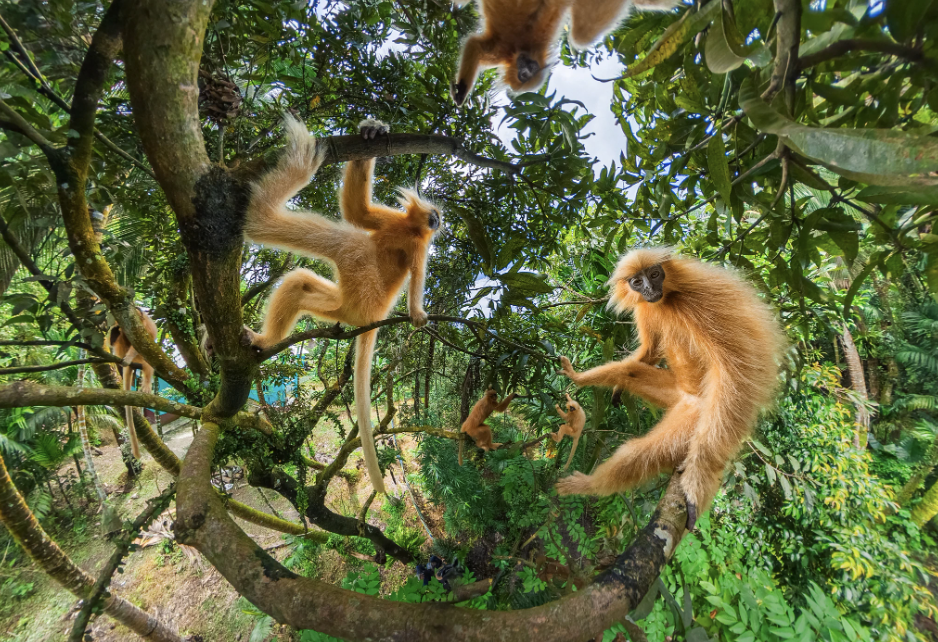
10. Monkey Business
Bongaigaon, Assam, India
Photograph by Prakash Matada
A curious troop of Gee's golden langurs gathers around a fish-eye lens attached to a telescoping pole by photographer Prakash Matada. The endangered primates appear fascinated by their own reflections, peering directly into the camera.
Named after the naturalist who documented the species in the 1950s, these canopy-dwelling langurs have developed a rare bond with humans in the area. Their unexpected curiosity and lack of camera shyness made for a playful and memorable photographic moment.
The ten featured photographs offer a glimpse of the stories behind National Geographic's 2026 collection. Together with 16 other images, they showcase the extraordinary work of photographers who dedicate their time and expertise to documenting the world from different perspectives.
Explore the full collection of all 25 Pictures of the Year 2026 here: