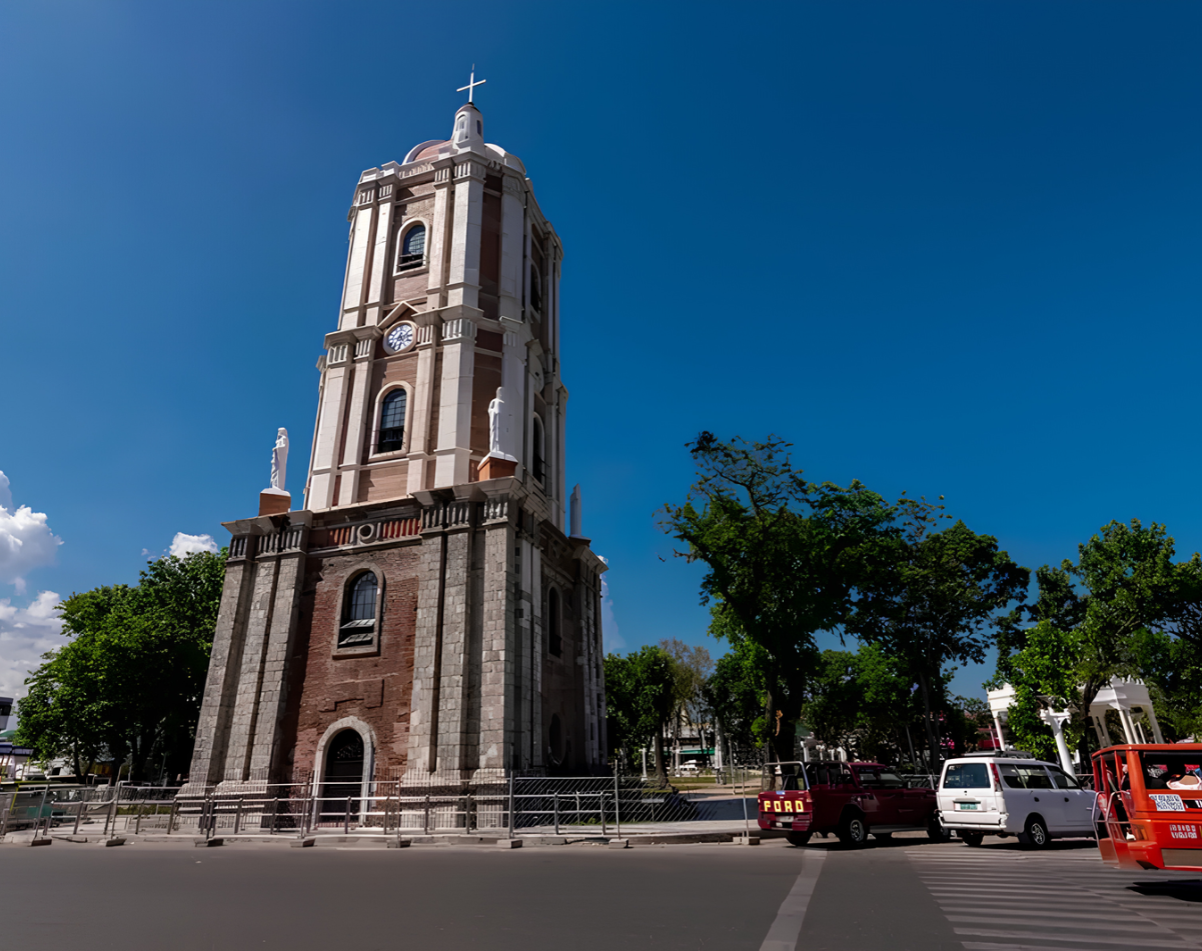
PHOTO COURTESY: TRAVELOKA
Long before Cavite became the province of cities and municipalities we know today, much of its upland territory was connected to one historic town: Silang.
Known as Old Silang, its former jurisdiction extended across several settlements that would eventually develop into separate communities, including areas associated with present-day Indang, Amadeo, Carmona, General Trias, and Tagaytay. Its influence helped shape the province’s early settlements, religious communities, and local identities.
But beyond its expansive territory, Silang carries a remarkable story of collective action and land ownership dating back to the Spanish colonial period.
The 2,000-peso purchase that changed its history
In the 18th century, disputes over land ownership between Silang residents and religious orders escalated into an agrarian uprising in 1745.
The conflict involved lands near what is now Carmona, where residents challenged the Dominicans' attempt to claim property that had previously been leased. The dispute eventually reached colonial authorities and led to negotiations over land ownership.
On March 9, 1746, the people of Silang secured a historic agreement to purchase the disputed territory from the Spanish Crown for 2,000 Mexican pesos, with the intention of preventing it from becoming another friar-controlled estate.
The transaction was facilitated by local representatives Bernabe Javier Manahan and Gervacio de la Cruz. The amount was paid in three installments between 1747 and 1749: 700 pesos in the first year, another 700 in the second, and the remaining 600 in the third.
The purchase became an important chapter in Silang's history, demonstrating how residents organized and pursued legal ownership of land amid the influence of powerful religious estates.
From one vast territory to separate communities
Over the centuries, settlements within Silang's former jurisdiction gradually developed into independent towns.
Indang, for instance, became an independent town in 1655, while San Francisco de Malabon, now General Trias, was established as a town in 1758. Carmona and Amadeo also eventually gained separate municipal identities in the 19th century.
Other areas, including present-day Tagaytay, were also historically associated with Silang's wider territory, although their administrative boundaries and development followed their own paths.
These changes gradually transformed the landscape of Cavite, turning what was once a vast territorial jurisdiction into the distinct communities residents recognize today.
A history worth remembering
Today, Silang is known for its heritage church, agricultural landscapes, local culture, and growing tourism industry. Yet its history extends far beyond its present-day boundaries.
The 1746 land purchase remains a remarkable reminder of how collective action, land ownership, and community identity helped shape the province.
Before Cavite's towns developed their own names and identities, there was Old Silang—a community whose story continues to live on in the places that grew from its history.
How many of these former connections between Cavite's towns did you know?