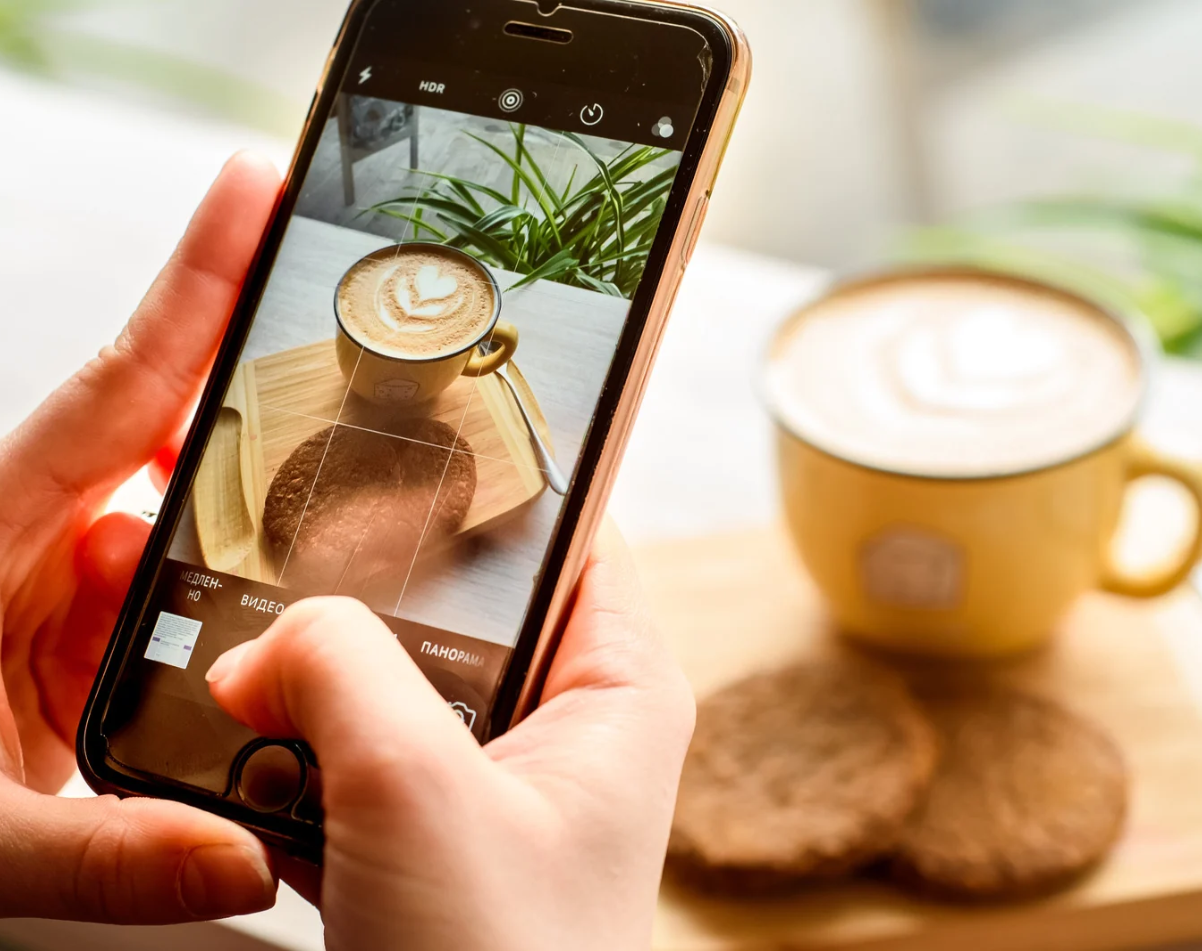
As the liquor industry pushes back against higher alcohol taxes, an unexpected suggestion puts coffee in the middle of the debate.
Could your morning coffee become the next target of an excise tax?
An unexpected suggestion from the liquor industry has put coffee in the spotlight after a representative proposed that the government consider taxing the popular beverage instead of further increasing taxes on alcoholic drinks.
During a House Committee on Ways and Means hearing on November 25, Olivia Limpe-Aw, president of the Distilled Spirits Association of the Philippines (DSAP), raised the idea while lawmakers discussed several measures seeking to increase excise taxes on alcoholic beverages.
Limpe-Aw argued that the liquor industry is already heavily taxed and that changing consumer preferences, particularly among younger generations, are affecting alcohol consumption.
“Nag-iiba din yung consumer behavior like yung mga Gen Z natin hindi na sila masyadong umiinom ng alak ang gusto nila kape,” she said.
She then suggested that lawmakers consider imposing an excise tax on coffee, pointing out that the beverage has become increasingly popular among younger consumers.
“Baka gusto nyo i-tax yung kape kasi yun yung malaki, hindi talaga yung alak. And ang mahal ng kape,” Limpe-Aw added.
WHY IS THE LIQUOR INDUSTRY PUSHING BACK?
The suggestion came as the liquor industry opposed proposed increases in excise taxes on alcoholic beverages, arguing that additional taxes could put further pressure on manufacturers already dealing with rising operational costs and existing tax obligations.
According to the Department of Finance (DOF), excise tax collections from locally manufactured distilled spirits increased by 8.1% from January to September 2026 compared with the same period last year.
However, collections from locally manufactured wine declined by 24.8%, while those from fermented liquor dropped by 0.2%.
Limpe-Aw maintained that the industry was already heavily taxed, noting that manufacturers pay advance excise taxes even before their products are produced and sold.
The industry also raised concerns that further increases could affect its competitiveness and place additional pressure on consumers through potentially higher retail prices.
ALCOHOL TAXES AND THE PUBLIC HEALTH DEBATE
While the liquor industry is calling for restraint, supporters of higher excise taxes point to their potential role in discouraging alcohol consumption and protecting public health.
During the same hearing, Department of Health representative Dr. Dominic Maddumba cited findings from the 2025 National Nutrition Survey, which recorded an increase in the number of adult drinkers compared with 2023.
Albay 1st District Representative Krisel Lagman also emphasized the importance of making alcoholic beverages less accessible to younger consumers, noting that higher prices could encourage healthier choices.
Meanwhile, representatives from the Alcoholic Beverages Alliance of the Philippines raised concerns that substantial price increases could push consumers toward cheaper, illicit, and untaxed alternatives, potentially undermining both public health and government revenue objectives.
COFFEE HAS BEEN PART OF THE TAX DISCUSSION BEFORE
This is not the first time coffee has entered discussions about possible excise taxes.
In September 2026, Representatives Antonino Roman III and Krisel Lagman raised the possibility of imposing a tax on 3-in-1 coffee and flavored fermented milk, citing concerns over their sugar content.
The Department of Finance had also initially considered removing the tax exemption on these products as part of its proposed measures. However, the proposal was later adjusted following consultations with stakeholders.
Finance Undersecretary Karl Adriano explained that flavored milk was excluded partly because it is used in government nutrition programs, while 3-in-1 coffee was also removed from consideration because of its use among lower-income households.
The earlier discussions, however, focused on specific products and their sugar content, making them separate from Limpe-Aw's broader suggestion to tax coffee.
WILL COFFEE REALLY BE TAXED?
Despite the unexpected suggestion, there is no approved measure imposing a new excise tax on coffee arising from the November 25 hearing.
House Committee on Ways and Means Chairperson Miro Quimbo also pushed back against the idea, saying that discussions should remain focused on alcoholic beverages for now.
His response came with a lighthearted remark that taxing coffee might leave more people feeling sleepy.
For now, the possibility of an additional coffee tax remains a suggestion rather than an enacted policy.
Still, the discussion raises questions about how the government balances revenue generation, public health objectives, industry concerns, and the everyday expenses of Filipino consumers.
With coffee remaining part of many Filipinos' daily routines, would imposing another tax on the beverage be a reasonable policy—or would it simply add to the cost of an already expensive daily habit?