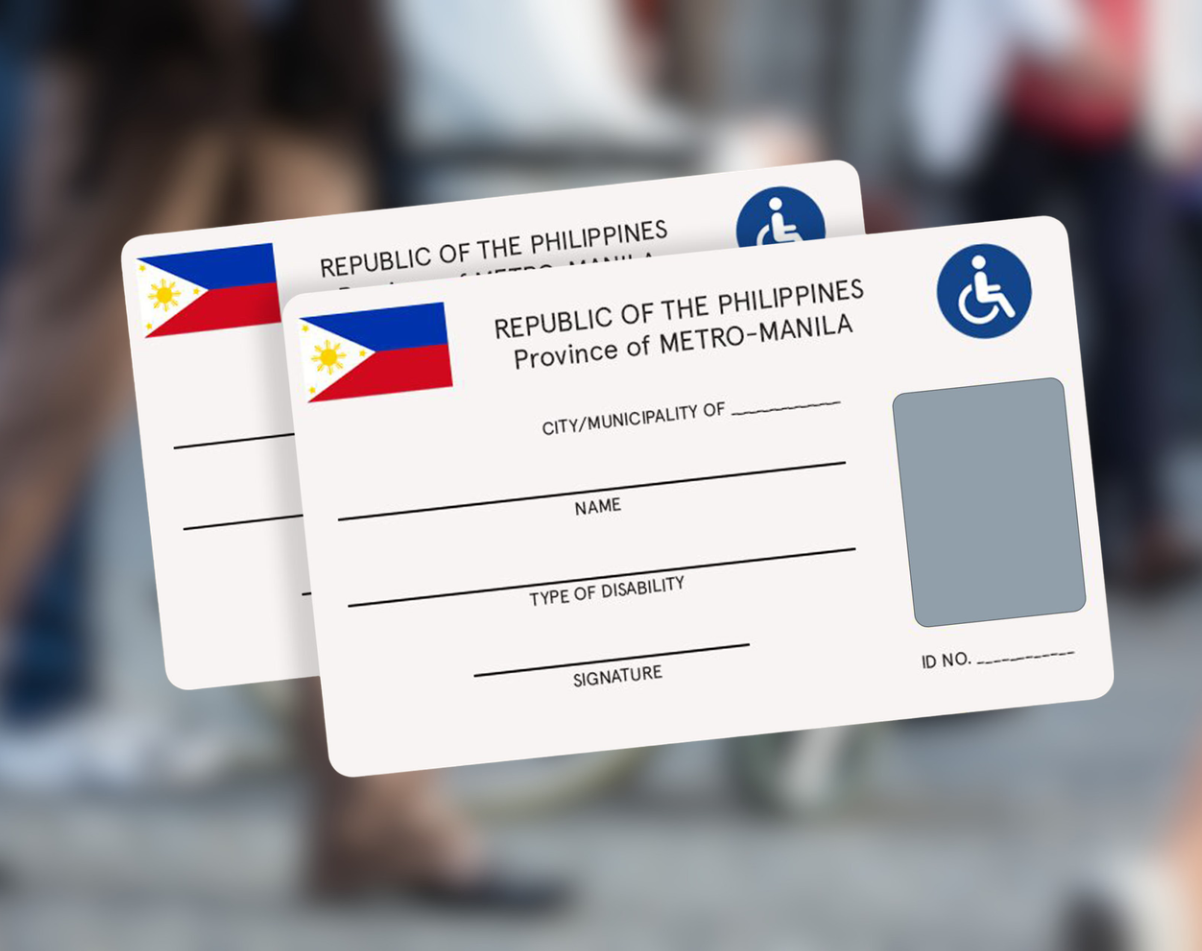
New rules grant lifetime validity to PWD IDs for people with permanent disabilities, while those with non-apparent disabilities will undergo revalidation every five years.
For Persons with Disabilities (PWDs), renewing an identification card may soon become less of a concern. The National Council on Disability Affairs (NCDA) has introduced a Unified Persons with Disabilities Identification System (UPWDIS), which standardizes PWD ID registration and verification across the country.
Under NCDA Administrative Order No. 001, Series of 2026, the new system introduces lifetime validity for PWD IDs issued to individuals with permanent disabilities. However, this does not mean that all PWD IDs will be issued without an expiration date.
Who gets a lifetime PWD ID?
According to the order, individuals with permanent disabilities will receive IDs valid for life. These IDs will only require updates when personal or demographic information changes, or when verification is needed to ensure records remain accurate.
Meanwhile, PWDs with non-apparent disabilities will undergo revalidation every five years, or as specified in the system’s implementing guidelines. The process must be accessible, non-burdensome, and non-discriminatory, with reasonable accommodations provided. The order also states that benefits cannot be suspended or denied without due process.
What’s new with the Unified PWD ID?
Aside from the updated validity rules, the new system introduces several changes to make identification and verification more consistent nationwide.
QR code verification: The unified ID will feature a unique alphanumeric number, photograph, and QR code or barcode to help authorized personnel verify the holder’s identity.
Digital and physical formats: The ID will have a digital record, while LGUs may also print a physical copy upon request.
Centralized registry: PWD records from different local government units (LGUs) will be integrated into a unified registry managed by the NCDA and the Department of Social Welfare and Development (DSWD), with technical support from the Department of Information and Communications Technology (DICT).
No PhilSys number required: Applicants will not be disqualified from registering simply because they do not have a Philippine Identification System (PhilSys) number.
Where can PWDs apply for the new ID?
The application and issuance process will remain at the local level. PWDs may coordinate with their respective Persons with Disability Affairs Office (PDAO) or city or municipal social welfare and development office to inquire about registration and requirements.
The new system also provides for mobile and assisted registration services, particularly for individuals in remote or underserved areas and those who may have difficulty visiting registration centers.
What happens to existing PWD IDs?
The unified system will be implemented in phases, with a three-year transition period under the administrative order. The NCDA reported in October 2026 that the rollout had expanded to around 1,100 LGUs, representing approximately 80% of its target coverage.
PWDs should check with their respective LGUs for the availability and schedule of registration under the new system. Existing ID holders may also ask their local PDAO about the transition process before applying for or requesting a replacement card.
A more unified system for PWD identification
The Unified PWD ID System aims to make identification more consistent, improve verification, and help prevent the circulation of fraudulent IDs. More importantly, its implementation is intended to support the rights and benefits of qualified persons with disabilities while making registration and access to services more accessible.
For the complete guidelines, read NCDA Administrative Order No. 001, Series of 2026, through the National Council on Disability Affairs official website.
Editorial note: The lifetime-validity provision applies to permanent disabilities—not automatically to every PWD ID. The order specifically provides for five-year revalidation for non-apparent disabilities. Also, its effectivity clause states that it takes effect upon NCDA Board approval and publication.
National Council on Disability Affairs