ITM Mental Wellness O’clock: Do Your Boundaries Protect Your Peace or Push People Away Sometimes?
Boundaries: Protecting Your Peace Without Pushing People Away
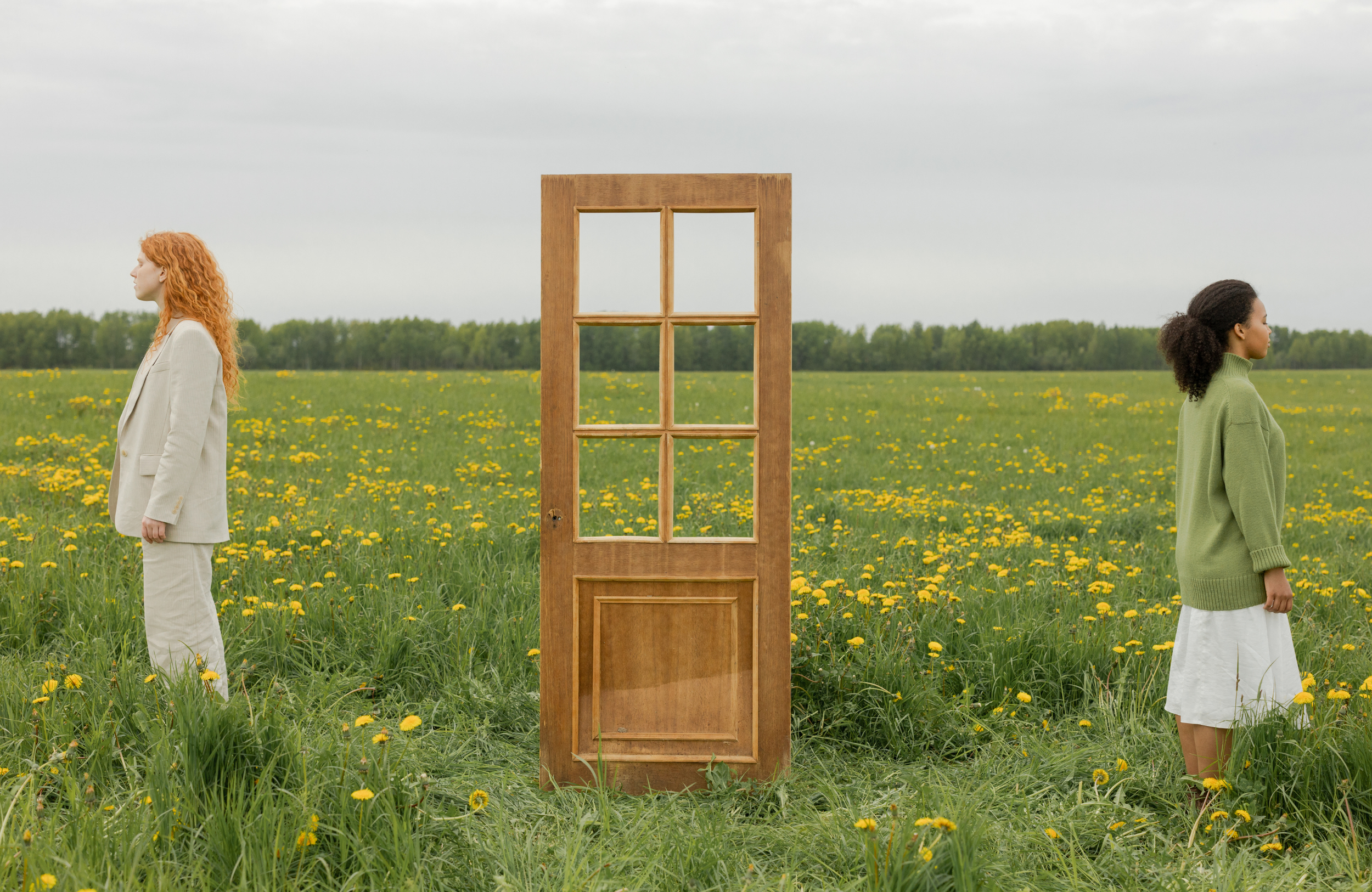
Photo Courtesy: Canva.com
For many young working adults, the word “boundaries” can sound harsh or intimidating. Some people think boundaries mean becoming distant, cold, or selfish. But boundaries are not walls meant to push people away. Healthy boundaries are mental and emotional limits that help protect your well-being, energy, and self-respect.
A helpful question to ask yourself is:
“Why do I need to create boundaries?”
Is it to avoid people completely, or is it to protect your mental and emotional health?
Most of the time, healthy boundaries are not about rejecting others. They are about learning how to take care of yourself while still maintaining respectful relationships.
Why Boundaries Matter
Many Filipino young professionals grow up in environments that value pakikisama, being accommodating, and avoiding conflict. While these are beautiful values, they can sometimes make it difficult to say “no,” speak honestly, or prioritize rest.
Over time, constantly ignoring your own needs can lead to:
Burnout
Resentment
Anxiety
Emotional exhaustion
Loss of self-confidence
According to research from the American Psychological Association, people who practice healthy boundaries often experience lower stress levels, better emotional regulation, and healthier relationships. Boundaries help create clarity: people understand what is okay and what is not okay for you.
Boundaries May Feel Uncomfortable at First
One important truth about boundaries:
When you start creating them, some people may feel uncomfortable or even hurt.
For example:
Saying no to overtime when you are exhausted
Not replying to work messages late at night
Asking for personal space
Speaking honestly about what affects you emotionally
People who are used to having unlimited access to your time or energy may react negatively at first. That does not automatically mean your boundary is wrong.
Healthy boundaries can create temporary discomfort, but in the long run, they often lead to:
More respect
Better communication
Stronger trust
Healthier relationships
Greater self-respect
Real relationships grow stronger when both people understand and respect each other’s limits.
Practical Boundaries for Young Working Adults
Here are simple and realistic ways to practice healthy boundaries:
1. Protect Your Rest
You do not need to answer every message immediately, especially after work hours.
Try saying:
“I’ll reply tomorrow during work hours.”
“I need to rest tonight so I can function well tomorrow.”
Rest is not laziness. Recovery is necessary.
2. Learn to Say “No” Without Over-Explaining
You are allowed to decline invitations, extra tasks, or responsibilities that overwhelm you.
Simple is enough:
“I can’t commit right now.”
“I already have too much on my plate.”
You do not need a dramatic excuse to protect your energy.
3. Separate Your Worth From Productivity
Many young adults feel guilty when they slow down. But your value is not based only on how useful or available you are.
Boundaries remind you that you are a person, not just a worker.
4. Communicate Early and Calmly
Do not wait until you explode from frustration.
Healthy boundaries sound like:
“I feel overwhelmed when…”
“I need some quiet time after work.”
“I’m okay helping, but I also need time for myself.”
Clear communication prevents resentment.
Boundaries Are an Act of Self-Respect
At the end of the day, boundaries are not about controlling other people. They are about understanding your own limits and honoring them.
The goal is not to become distant.
The goal is to build relationships where respect, honesty, and emotional safety can exist on both sides.
Creating boundaries may feel difficult at first, especially if you are used to always adjusting for everyone else. But with practice, boundaries can help you become healthier emotionally, mentally, and even professionally.
Because sometimes, protecting your peace is also protecting your future self.
Expert Insights by
Cleo Viray, MC, RGC
Mental Wellness Counselor
Inside the Metro Check-in: Do Your Boundaries Protect Pour Peace or Push People Away Sometimes?
National Mental Health Crisis Hotlines
These services are available 24/7, free of charge, and provide immediate emotional support.
NCMH Crisis Hotline: 1553 (Luzon-wide landline), 0917-899-8727 (Globe), or 0919-057-1553 (Smart)
Other Crisis Support Lines:
Hopeline Philippines: (02) 8804-4673 / 0917-558-4673 / 0918-878-4673
In Touch Community Services: (02) 8893-7603 / 0917-800-1123 / 0922-893-8944
Tawag Paglaum - Centro Bisaya: 0939-936-5433 / 0939-937-5433 (Smart) or 0966-467-9626 (Globe)
National Emergency Hotline: 911
Corporate Wellbeing & Mental Health Training
For organizations looking to support their teams, specialized training is available to address workplace-specific challenges.
For corporate training on workplace wellbeing and mental health—covering stress, burnout, and resilience for employees at all levels—you may contact:
Ayie Bermudez | Mobile: 0966-962-0088