Six Philippine coffee shops have earned international recognition after securing spots in the inaugural Asia-Pacific’s 100 Best Coffee Shops 2026, highlighting the growing presence of Filipino cafés in the region’s specialty coffee scene.
Leading the Philippine entries is Yardstick Coffee, which ranked No. 23, followed closely by Good Cup Coffee Co. from Cebu City at No. 26. The regional rankings were announced on November 12 at the Seoul Café Show in South Korea.
Four other Philippine establishments also made the list: Altitud Coffee Space in Las Piñas at No. 63, We The People Coffee & Tea Co. in Alabang at No. 76, ST. ALi Coffee at Grand Hyatt Manila Residences in Taguig at No. 79, and Commune Café + Bar + Roastery in Makati at No. 87.
SIX FILIPINO CAFÉS MAKING THEIR MARK
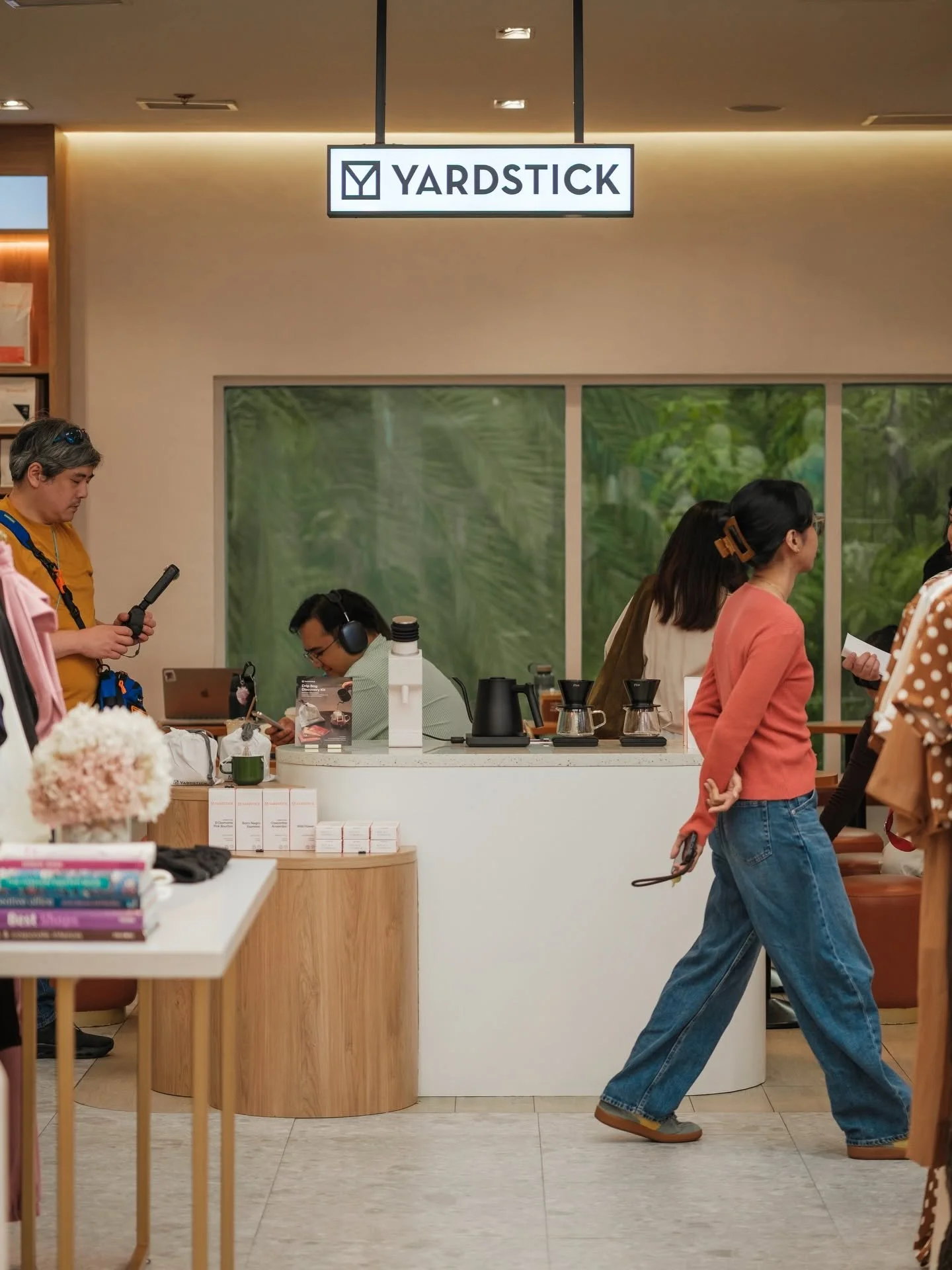
Photo Courtesy: Yardstick Coffee
Among the local entries, Yardstick Coffee continues to build its reputation in the international specialty coffee scene. Founded in 2013, the Makati-based café and roastery is known for its locally roasted beans, including its Golden Ticket blend, as well as signature drinks such as its Iced Sea Salt Latte.
Its latest regional recognition follows its No. 18 finish in the 2025 global rankings and No. 34 placement in the 2026 edition of The World's 100 Best Coffee Shops.
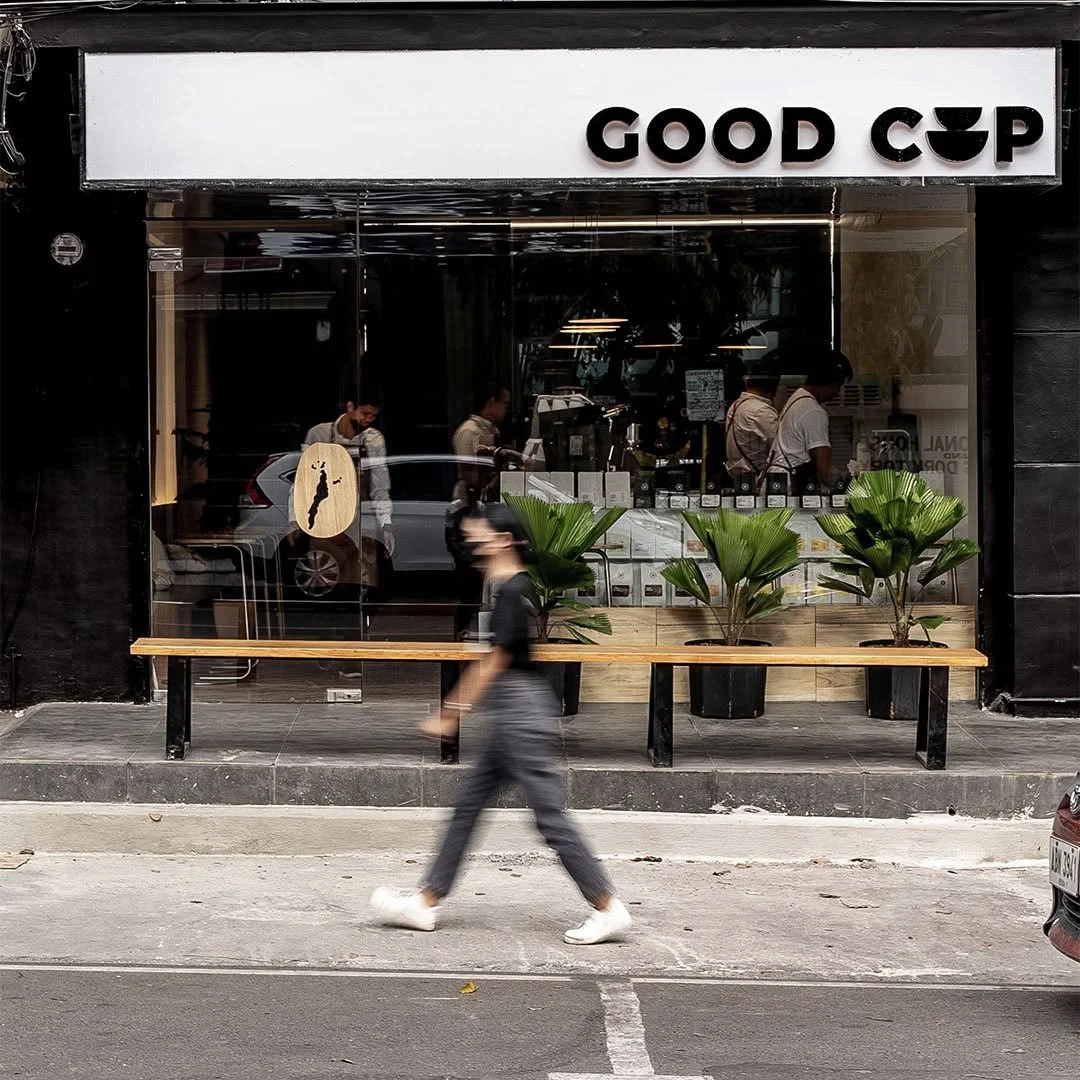
Photo Courtesy: Good Cup Coffee Co.
Meanwhile, Cebu's Good Cup Coffee Co. brings Visayan coffee culture into the spotlight. Founded in 2018, the homegrown roastery works closely with local coffee farms and promotes coffee education through its own academy, where baristas develop their skills in roasting and brewing.
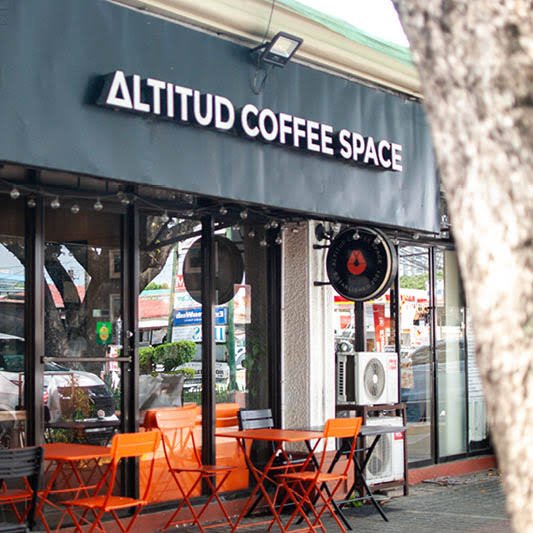
Photo Courtesy: Altitud Coffee Space
At No. 63, Altitud Coffee Space stands out for its commitment to Philippine-grown coffee. Inspired by its founders' love for the outdoors and mountaineering, the Las Piñas café sources its beans exclusively from Filipino farmers and small local roasteries, highlighting coffee varieties from different mountain origins.
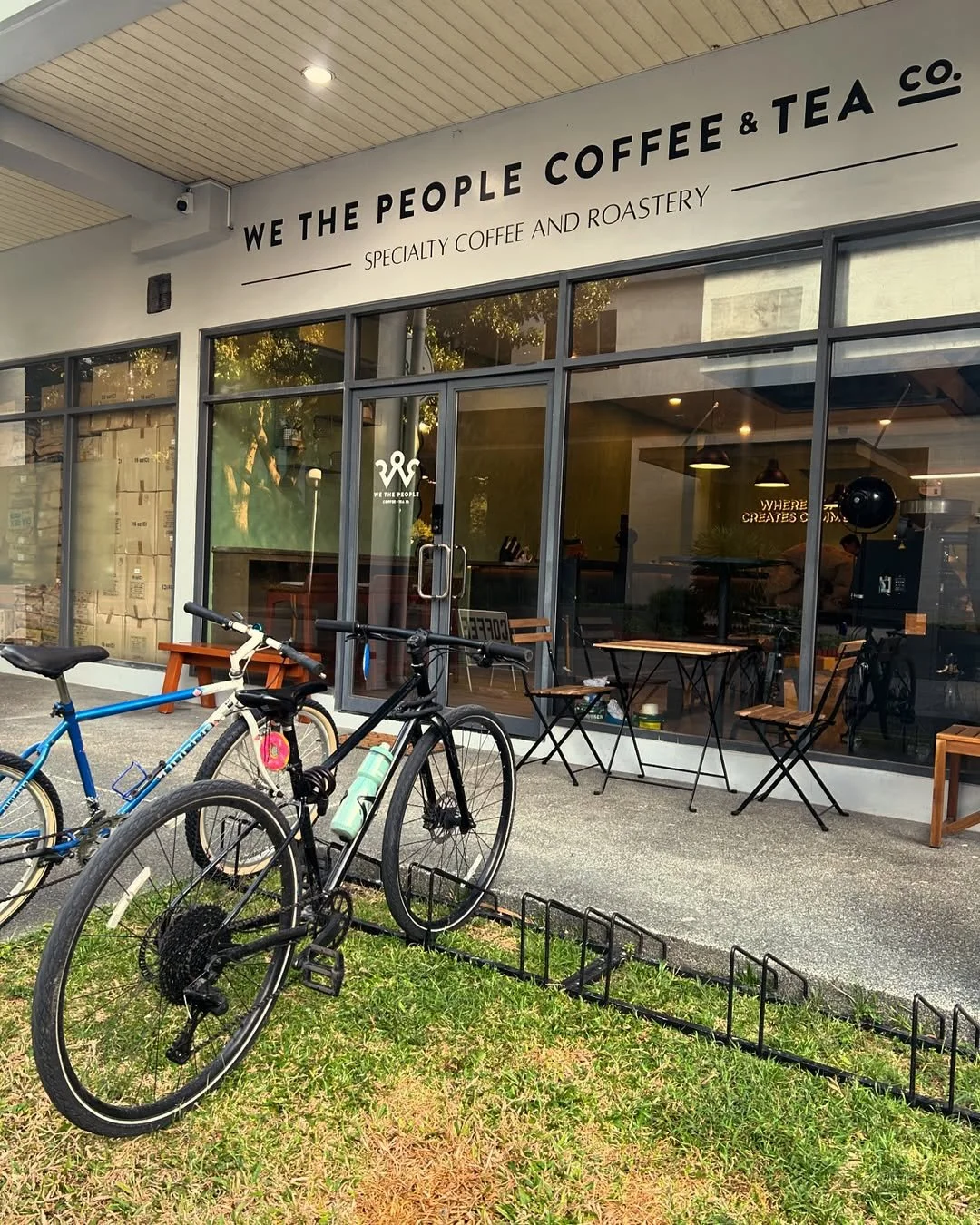
Photo Courtesy: We The People Coffee & Tea Co.
We The People Coffee & Tea Co., based in Ayala Alabang, secured No. 76. The café emphasizes community, collaboration, and thoughtfully crafted beverages, bringing people together through its welcoming spaces and creative partnerships.
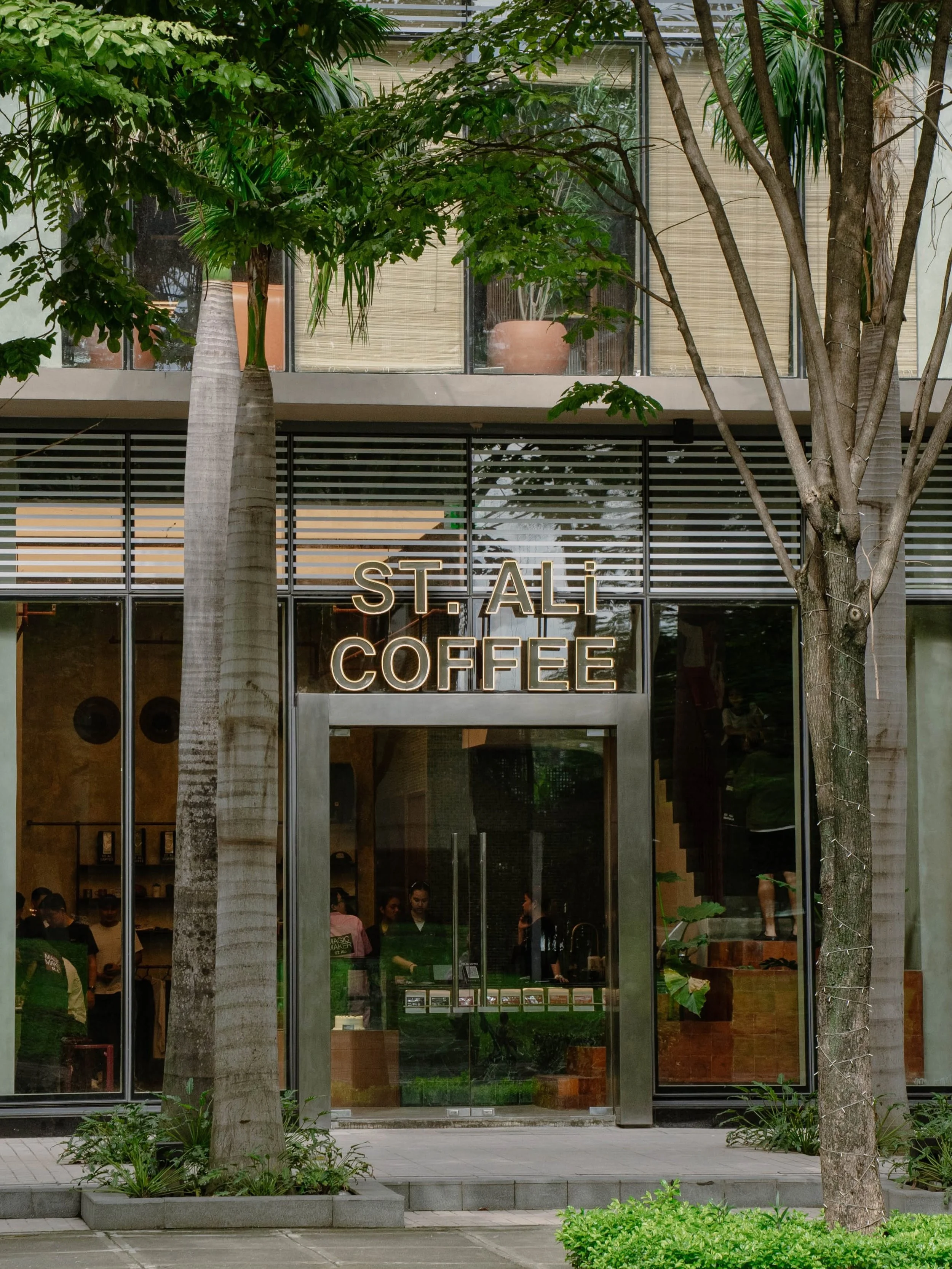
Photo Courtesy: St. ALi Coffee
At No. 79, ST. ALi Coffee earned recognition for its Manila branch at Grand Hyatt Manila Residences South Tower in Taguig. Bringing Melbourne's coffee culture to the Philippines, the two-story establishment features a bar-style coffee counter and a coffee omakase experience, alongside a menu of specialty drinks and food.
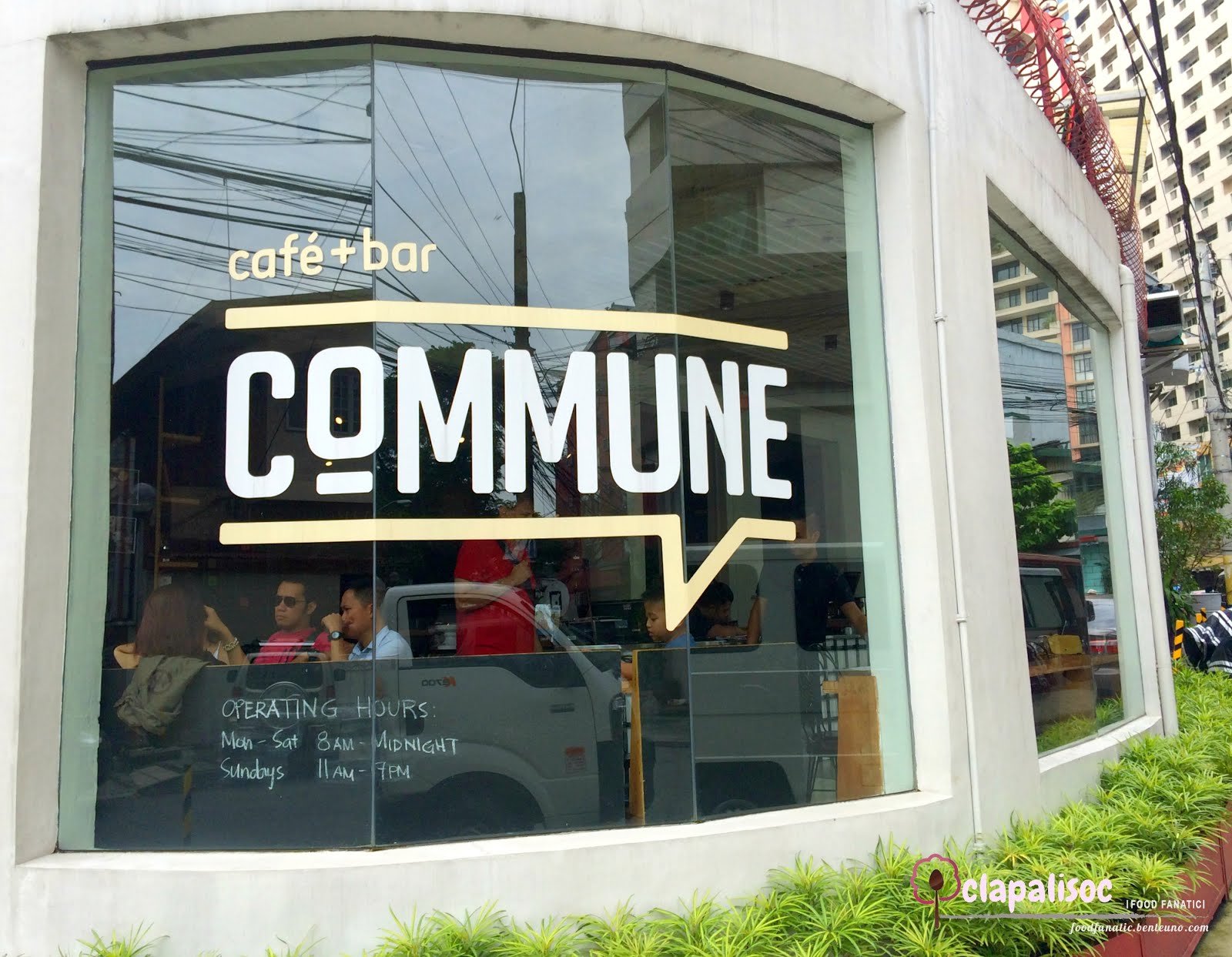
Photo Courtesy: Clapalisoc
Rounding out the Philippine contingent is Commune Café + Bar + Roastery in Poblacion, Makati, at No. 87. The café has long championed locally sourced coffee, working with Philippine producers and promoting coffee appreciation through its Commune Coffee University. Beyond its brews, it is also known for its community initiatives and support for local advocacy groups.
HOW ARE THE COFFEE SHOPS RANKED?
The Asia-Pacific ranking combines evaluations from industry professionals and public voting, with expert assessments accounting for 70% of the final score and public votes contributing the remaining 30%.
Participating establishments are evaluated based on several factors, including coffee quality, barista expertise, customer service, innovation, café ambience, sustainability practices, and the overall customer experience.
For the inaugural regional edition, Singapore's Apartment Coffee claimed the No. 1 spot, followed by Australia's Only Coffee Project Crows Nest at No. 2, Japan's Ult Coffee at No. 3, Malaysia's Story of Ono at No. 4, and Taiwan's Noon at No. 5.
A BIG WIN FOR PHILIPPINE COFFEE CULTURE
The recognition highlights how Philippine coffee businesses are making their presence felt beyond the local market, from specialty roasting and locally sourced beans to community-driven café experiences.
With establishments from Metro Manila to Cebu earning places among the region's top 100, the achievement also puts a spotlight on the people behind every cup, including local farmers, roasters, baristas, and entrepreneurs who continue to develop the country's coffee industry.
From homegrown blends to carefully crafted specialty drinks, these six establishments are giving coffee lovers another reason to celebrate Filipino coffee.
Have you visited any of these six Philippine coffee shops? Which one is on your must-try list?